














Choosing Between Wheel and Spindle Spinning

Spinning your own yarn is one of the most rewarding fibre arts you can experience. The gentle twist of fibre between your fingers, the rhythm of drafting, the soft hum of a wheel or the quiet whirr of a spindle as you turn fluff into thread. It's a craft that connects you to generations of makers, grounding you in tradition while letting you express your creativity in a deeply personal way.
But as many aspiring spinners quickly discover, one question stands in the way of their first skein:
Should I start with a spindle or a spinning wheel?
Both tools offer their own magic. The spindle's simplicity draws you into the heart of the process, while the wheel's graceful speed can feel like an extension of your own rhythm. In this guide, we'll walk through the differences, such as cost, learning curve, portability, speed, and fibre compatibility, so you can choose the tool that fits your goals, lifestyle, and creative pace. You'll also find starter equipment suggestions, troubleshooting tips, and beginner-friendly project ideas to help you take your first confident spin.
Understanding the Basics of Spindle and Wheel Spinning
At its core, spinning is about adding twist to fibre to create yarn, but how that twist is made varies between tools.

Spindle spinning utilises a weighted stick, known as a spindle, which is set in motion by hand. Depending on the type, the weight (called a whorl) may sit at the top or bottom. The fibre twists as the spindle spins, and you wind the yarn onto the shaft as you go. It's a simple, ancient tool, perfect for learning how twist behaves. A great example is the Ashford Classic Drop Spindle, a reliable, well-balanced choice for new spinners.

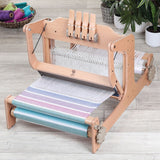
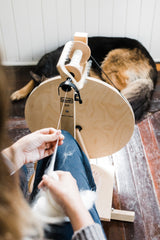
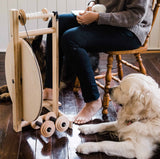
Wheel spinning, on the other hand, uses treadles or electric power to continuously spin fibre while your hands draft it. The twist and take-up are controlled by tension systems, enabling faster and more consistent spinning. Wheels like the Ashford Kiwi 3 Spinning Wheel make this process approachable, even for beginners, while maintaining the elegance and tradition of the craft.
Both methods transform loose fibres into beautiful yarns, but the journey, pace, and experience differ in meaningful ways.
Comparing Features and Benefits of Spindle vs Wheel
Before you commit to one, it's helpful to compare how each fits into your creative life. Below, we break down the main factors that can guide your decision.
Learning Curve and Skill Development
Learning to spin involves balancing twist, drafting, and tension — and how you experience that depends on your tool.
With a drop spindle, every motion is manual. You learn how twist enters the fibre, how to draft evenly, and how to control your yarn's thickness. It's a slower start but deeply tactile, helping you understand the mechanics of spinning from the ground up.
A spinning wheel feels more intuitive once your hands and feet sync. You can focus more on consistency and production speed rather than maintaining motion. However, there's an initial coordination challenge — treadling and drafting simultaneously can take practice.
Both offer rewarding learning curves: spindles teach control and patience; wheels teach rhythm and flow.
Portability and Space Requirements
If you like to spin anywhere (in the garden, on the sofa, or even while travelling), a spindle might be your perfect match. It's lightweight, portable, and fits in a small project bag.
Spinning wheels, by contrast, need more dedicated space. Yet many modern models fold or travel easily. The Ashford Joy 2 is an excellent example, a compact, foldable wheel ideal for those who want the comfort of wheel spinning without sacrificing portability.
For spinners who want maximum portability without sacrificing speed, an electric spinner can be a game-changer. The Ashford e-Spinner 3 is small, lightweight, powerful, and comes with its own carry bag, making transport and storage effortless.
If space is limited or you love crafting on the go, a spindle keeps things simple. If you have a dedicated creative nook, a compact wheel or e-spinner can make spinning feel seamless and ergonomic.
Speed and Efficiency for Project Goals
For sheer speed, spinning wheels take the lead. Once you're comfortable, you can produce consistent yarn far faster than with a spindle. It’s perfect for larger projects or regular production.
Spindles, however, offer mindfulness in motion. Their slower pace allows more deliberate control, making them ideal for sampling fibres or experimenting with techniques.
If efficiency is key, you might even explore electric options like the Ashford e-Spinner 3, which combines compact portability with exceptional speed and consistency.
Investment and Cost Comparison
One of the main differences between spindles and wheels is cost.
A drop spindle is an affordable way to begin your spinning journey. Many cost less than a single skein of luxury yarn. Tools like the Ashford Student Drop Spindle or Ashford Top Whorl Spindle are budget-friendly yet sturdy enough to last years.
Spinning wheels require a higher upfront investment but are built to last a lifetime. The Louet S17 offers an affordable entry point to high-quality wheels, while the Schacht Ladybug provides long-term versatility and durability.
In short: start small with a spindle if you're exploring; invest in a wheel if spinning feels like a lasting passion.
Fibre Compatibility and Yarn Results
Both spindles and wheels can spin a variety of fibres, from soft merino to textured alpaca or plant-based fibres, such as cotton and flax.
Some spinners find that wheels handle shorter fibres or slippery blends with more ease, as the consistent motion helps maintain twist. Spindles, however, excel at small batches and fine-tuning yarn texture.
Ultimately, both tools can produce beautiful results. It's more about how you like to work than what fibres you choose.
Which One Fits Your Fibre Lifestyle?
Choosing your spinning tool comes down to your creative rhythm and the environment in which you work.
- If you love learning by feel, have limited space, or enjoy crafting in quiet moments, start with a spindle.
- If you're ready to spin larger quantities, crave smooth rhythm and speed, or have a dedicated workspace, a wheel may be your best companion.
Ask yourself: Do you want to spin in bursts of time or sit down for longer sessions? Do you enjoy the meditative process, or are you focused on making yarn for big projects?
There's no wrong answer; only the one that feels right for your hands and lifestyle.
Recommended Starter Tools and Equipment

For Spindle Spinners:
- Ashford Top Whorl Spindle – balanced and efficient for beginners.
- Drop Spindle (Bottom Whorl) – a great choice for learning controlled drafting.
- Ashford Classic Drop Spindle – reliable and well-suited for intermediate use.
For Wheel Spinners:
- Ashford Kiwi 3 Spinning Wheel – approachable, sturdy, and beginner-friendly.
- Schacht Ladybug – smooth, quiet, and versatile.
- Ashford Joy 2 – foldable and travel-ready.
- Louet S17 – an affordable, modern design for long-term use.
- Ashford e-Spinner 3 – a compact electric option for spinners who value both speed and portability.
Common Beginner Challenges and How to Troubleshoot
No matter which tool you choose, every spinner faces hiccups. Here are a few common ones and how to fix them:
- Uneven yarn thickness: Focus on maintaining a consistent drafting speed. Practice with easy fibres like Corriedale or BFL to find your rhythm.
- Yarn breaks often: Add more twist or check tension. On a wheel, slightly increase drive band tension; on a spindle, let the twist travel further up before winding on.
- Overtwisted yarn: Slow down treadling or spindle spinning, and allow more fibre to enter the twist before winding on.
- Fibre slipping: Try a slightly grippier fibre or adjust your wheel's tension system for better control.
Remember: progress in spinning isn't measured in perfect skeins, but in the comfort and confidence you build with each spin.
Project Ideas for Practice and Progress

The best way to grow your skills is to make something small and satisfying.
For spindle spinners:
- Spin singles for mini woven wall hangings.
- Ply short lengths into yarn for wrist warmers or decorative tassels.
- Use naturally dyed fibres for small, artistic projects.
For wheel spinners:
- Spin a two-ply yarn for a cosy scarf or wrap.
- Create gradient yarns from hand-dyed tops.
- Experiment with plying techniques to explore texture and balance.
Each project builds your understanding of yarn structure and helps you identify your preferences — fibre type, twist strength, and drafting style.
Choose Your Spinning Path with Confidence
Whether your heart leans toward the quiet rhythm of a spindle or the steady hum of a wheel, spinning yarn at home invites you to slow down, connect with fibre, and create something truly your own. Each method has its own joys — the spindle's intimacy and simplicity, the wheel's speed and stability — and both deserve a place in the spinner's journey.
At Thread Collective, we believe in equipping makers with thoughtfully curated tools and natural fibres that honour tradition while embracing creativity. From reliable spindles to beautifully engineered spinning wheels, our collection is designed to support you at every stage — helping you craft with purpose, explore your artistry, and spin with joy.
Explore our full range of spinning wheels and spindles at Thread Collective, and start spinning your story today.
Share this article on your favorite platform: