



Skip to content
Payment: afterpay Payment: Paypal Logo
YARNS
WEAVING
SPINNING
NEEDLECRAFT
KNITTING & CROCHET
FELTING & DYEING
FREE GUIDES
BOOKS
SPECIAL OFFERS
AUD
Quick view
Quick view
$22.50
Size
100g
1kg
Size
100g
View full details
PRODUCT FAQs
BACKORDER INFORMATION
SHIPPING COST
ORDERING INFORMATION
ADDITIONAL RESOURCES
TUTORIALS
DOWNLOADS
VIDEO RESOURCES
Is this yarn suitable for felting projects?

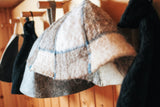
Yes, non-superwash merino wool is ideal for felting, as it retains its natural ability to interlock fibers when exposed to heat, moisture, and agitation. It can be used for wet felting, needle felting, and fulling knitted items to create dense, warm, and durable textiles.

How does non-superwash wool differ from superwash wool?

Non-superwash wool has not been chemically treated to prevent felting, allowing it to retain its natural texture, elasticity, and insulating properties. Unlike superwash wool, which has been processed for machine washability, non-superwash wool requires gentle handwashing and is excellent for felting and traditional wool applications.

What needle size is recommended for this 4-ply yarn?

Typically, 2.75–3.25 mm (US 2–3) needles are recommended for knitting with this 4-ply fingering weight yarn. The exact needle size depends on the desired fabric density—smaller needles create a firm, structured fabric, while larger needles produce a softer, more flexible drape. Swatching is advised.
Can I use this yarn for baby garments?

Yes, this yarn is soft and warm, making it suitable for baby garments, blankets, and accessories. However, since it is non-superwash, it requires handwashing and gentle care to maintain its softness and prevent felting. It is an excellent choice for heirloom-quality baby knits.
How should I block projects made with this yarn?

To block items made with this yarn, gently hand wash in lukewarm water, reshape while damp, and lay flat to dry. Avoid excessive stretching, as non-superwash wool retains its elasticity. Blocking enhances stitch definition and ensures the final shape is maintained in lace, cables, and textured patterns.

Is this yarn suitable for weaving projects?

Yes, this yarn can be used for weaving, particularly in weft applications. Its elasticity makes it ideal for creating warm and soft woven textiles such as scarves, shawls, and blankets. When using it as warp, proper tensioning is required to accommodate its natural stretch.

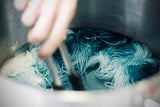
How does this yarn behave when dyed?

Non-superwash merino wool absorbs dye well, producing rich, vibrant colours. Pre-soaking the yarn before dyeing helps achieve even colour penetration. Since it retains its natural scales, the dye binds effectively, making it an excellent choice for hand-dyed projects with deep and lasting hues.

What is the micron count of the merino wool used?

Ashford’s merino wool typically has a micron count of around 22, classifying it as fine merino. This makes it soft, smooth, and comfortable for wear against the skin. The fine fibre diameter contributes to the yarn’s luxurious feel and suitability for delicate garments and accessories.

Are there any precautions for storing this yarn?

Store this yarn in a cool, dry place away from direct sunlight to prevent fading. Since it is a natural fiber, it is susceptible to moth damage. To protect it, consider storing it in an airtight container with cedar blocks or lavender sachets to deter pests while keeping it fresh.

Can this yarn be combined with other fibers in a project?

Yes, this yarn blends well with fibers of similar weight, such as alpaca, silk, or other wools. When combining it with different fibers, ensure that all components have similar care requirements to prevent shrinkage or felting inconsistencies. Blending it with silk enhances drape, while pairing with alpaca adds warmth and softness.

Frequently Bought With

Relevant Blogs