



















Reducing Waste in Fibre Arts: How to Make the Most of Every Scrap

If there is one thing that unites fibre artists, it is a deep appreciation for materials. Whether you spin, knit, crochet, or weave, the tactile joy of fibre in your hands is a reward in itself. But alongside that joy comes responsibility. Every scrap of yarn, every leftover fibre, and even the smallest fabric clippings carry potential.
Reducing waste in fibre arts is not simply about saving money or being environmentally conscious. It is about honouring the craft itself and making thoughtful use of every precious resource.
In this article, we’ll explore practical ways to reduce waste, get creative with leftover fibres, and embrace a sustainable mindset without compromising creativity.
Understanding Waste in Fibre Arts
Waste in fibre arts is more than just the occasional odd scrap. It includes leftover yarn, uneven handspun ends, scraps of cloth or loom waste from weaving, and even slightly damaged but still usable fibres. In a busy studio, these small pieces are often overlooked or discarded. Over time, they quietly accumulate, leading to both financial and environmental costs.
The good news is that the fibre arts community is uniquely skilled at seeing possibilities where others see waste. With a little planning and creativity, even the smallest scraps can find new purpose, bringing both satisfaction and a renewed sense of connection to the materials we use.
Start with Mindful Project Planning
A simple way to reduce waste is to be mindful from the very beginning. Thoughtful project planning helps you use the right amount of materials and leaves fewer leftovers.
Before starting a new piece, take time to look through your yarn or fibre stash and see what you already have. Small amounts of different yarns can often be combined to add texture and visual interest. If you spin by hand, preparing only the fibre you need for a specific project can also help prevent unnecessary waste.
Keeping a project journal is another valuable habit. Recording the fibres and yarns you use, along with quantities and any leftovers, creates a useful reference for future planning. Over time, it can also spark ideas for creative ways to use materials that might otherwise be forgotten.
Embrace Scrap Projects

There is a certain magic in turning small scraps into something new. Scrap projects are ideal for reducing waste because they give materials a new purpose that might otherwise go unused. They invite experimentation, creativity, and a more playful approach to making.
Knitting and Crocheting
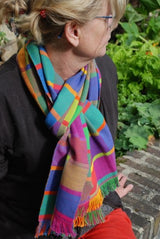
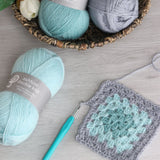
Leftover yarn can be transformed into colourful patchwork blankets, tassels, pom poms, scarves, or hats. Many makers enjoy creating granny square blankets from small amounts of yarn, resulting in pieces that are both practical and beautifully unique.
Weaving
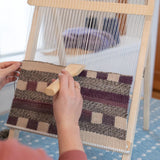
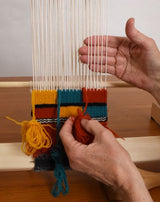
Fibre scraps can become woven accents, fringe, or tassels. Weaving does not always require long, continuous lengths of yarn. In fact, incorporating shorter pieces can add texture and visual interest. For table loom or rigid heddle weavers, keeping a small basket of scraps nearby makes it easy to experiment with colour and pattern.
Spinning
Handspinners can blend leftover fibres, yarns or fabrics to create marled or variegated yarns full of character. Even short fibres that may not spin well on their own can often be combined with others to produce smooth, usable yarn. These small-batch skeins are perfect for special, one-of-a-kind projects.
Use Fibre Efficiently
Besides making projects from scraps, fibre artists can also reduce waste by using materials more efficiently. This applies across spinning, weaving, knitting, and crochet, where small adjustments can make a meaningful difference over time.
Spinning
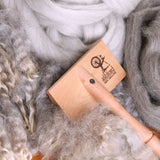
For spinners, efficiency begins with careful fibre preparation. Thoughtful combing or carding helps maximise usable fibre and minimise loss. Short lengths that are not sufficient for a full project can often be blended with longer fibres or incorporated into textured yarns, extending their usefulness. Check out Thread Collective fibre packs for ideas on blending scraps.
Knitting and Crochet
In knitting and crochet, choosing patterns that suit the amount of yarn you have can greatly reduce leftovers. Modular and mosaic designs are especially useful, as they allow you to work with varying lengths of yarn and join pieces together without requiring exact quantities.
Weaving
Weavers can reduce waste by carefully planning warp lengths and finding creative uses for cut-offs. Small woven pieces can be turned into coasters, bookmarks, or patchwork elements for larger projects. Experimenting with different weaving yarns and structures also opens up new ways to use shorter lengths effectively.
Repurpose Leftovers in New Ways

Sometimes, scraps are not suited to their original purpose, but they can still become something meaningful. Repurposing is one of the most rewarding aspects of sustainable fibre arts, inviting you to see familiar materials in new ways.
Home Accessories
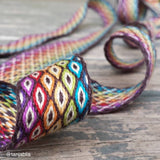
Small fabric or yarn scraps can be transformed into decorative cushions, fabric bowls, or keychains. Leftover weaving threads can also be braided into colourful cords for hanging, wrapping, or tying items, adding both function and visual interest. Browse Thread Collective yarn for inspiration in colours and textures.
Mixed Media Projects
Combining fibre scraps with materials such as paper, wood, or clay opens the door to mixed-media art. Handspun yarn can be incorporated into journal covers, wall hangings, or art quilts, creating pieces that blend texture, colour, and storytelling. Find small fibre quantities at Thread Collective, ideal for experimenting.
Playful Creations
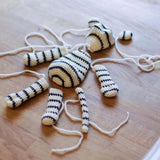
When crafting with children, leftover yarn, fibre, and fabric are perfect for making simple toys, pom-poms, or small craft kits. These projects reduce waste while encouraging creativity, curiosity, and hands-on learning.
They also offer a wonderful opportunity to explore new techniques together. Activities such as felting are especially well-suited to using up small amounts of fibre and non-superwash animal fibres, turning odds and ends into playful, tactile creations.
Embrace Minimalism in Your Fibre Studio
A tidy, well-organised fibre studio can play a surprisingly important role in reducing waste. When your materials are easy to see and access, you’re far less likely to forget about scraps or let them pile up unused.
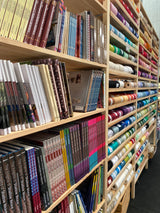
Jars, baskets, and small containers work well for sorting leftover fibres by colour, fibre type, or length. Keeping a dedicated “scrap basket” for shorter pieces makes them easy to reach when inspiration strikes. Over time, this simple system encourages regular use of what you already have and helps waste reduction become second nature.
Adopting a more minimalist approach can also make a difference. Choosing fibres and yarns that genuinely inspire you, and focusing on projects that excite you, helps prevent materials from sitting unused. Being thoughtful about what you bring into your studio supports both creativity and sustainability. Exploring the fibre and yarn collections at Thread Collective can help you make mindful, well-matched choices, making it easier to buy with intention and craft with confidence.
Share and Swap with the Community
Sharing has always been a meaningful part of the fibre arts community. Leftover yarns, fibres, and even patterns can become valuable resources when passed on to other makers.
Local fibre swaps, craft groups, and online marketplaces offer simple ways to exchange materials. What feels like a small scrap to you may be exactly what someone else needs. Many fibre artists find that swapping supplies turns potential waste into connection, collaboration, and shared creativity.
Teaching and donating can also have a lasting impact. Community groups, schools, and fibre workshops often welcome leftover materials for learning and practice. By passing on your scraps, you may help spark confidence, curiosity, and a lifelong love of making in future fibre artists.
Composting Natural Fibres
Not all waste can be reused, but many natural fibres, including wool, cotton, silk, and linen, can be composted (or placed in a worm farm). Composting returns nutrients to the soil and reduces the environmental impact of discarded materials.
Before adding fibres to your compost or worm farm, cut them into small pieces to help them break down more easily. Avoid composting synthetic fibres, as they do not decompose and can contaminate compost systems. When done thoughtfully, composting natural fibre waste helps close the loop in your craft and supports a healthier planet.
Choosing high-quality, natural materials also makes sustainable disposal easier. Exploring natural fibres from Thread Collective can support more environmentally responsible making from the very beginning.
Get Creative with Experimentation

Reducing waste in fibre arts also means allowing yourself to try new things. Scraps are ideal for experimentation because they remove the pressure of “getting it right.” When you’re working with leftovers, you’re free to explore techniques, stitches, and colour combinations without worrying about a main project.
Spinners can use small amounts of fibre to test new textures, blends, or colour pairings. Knitters and crocheters can turn leftover yarn into stitch samplers, building skills and discovering patterns they may want to use later. Even small weaving samples made from scraps can reveal interesting structures and textures that inspire larger pieces.
By treating scraps as tools for learning rather than limitations, you turn potential waste into opportunities for growth and creative confidence.
Celebrate the Beauty of Imperfection

A key part of reducing waste is recognising that not every scrap needs to be perfect. Small irregularities bring character, texture, and individuality to your work, reminding you that value isn’t found in uniformity, but in thoughtful use.
When you celebrate scraps rather than discard them, you nurture creativity, sustainability, and resourcefulness. Reducing waste becomes an ongoing practice shaped by planning, experimentation, and care, one that honours both your materials and your time.
Whether you spin, weave, knit, or crochet, small choices can lead to meaningful change. Every fibre you reuse, and every project made from remnants, reflects creativity, skill, and commitment.
If you’re ready to continue your sustainable making journey, exploring the yarn and fibre collections at Thread Collective can help you choose materials with intention and craft with confidence.
Share this article on your favorite platform:
Table of Contents
- Understanding Waste in Fibre Arts
- Start with Mindful Project Planning
- Embrace Scrap Projects
- Use Fibre Efficiently
- Repurpose Leftovers in New Ways
- Embrace Minimalism in Your Fibre Studio
- Share and Swap with the Community
- Composting Natural Fibres
- Get Creative with Experimentation
- Celebrate the Beauty of Imperfection

3 comments
Thank you for this! From the moment I started weaving almost a year ago I was wondering about how to reduce look waste. I kept my thrums thinking I’d find a use for them- perhaps stuffing for amigurumi! I ended up giving it all away to a teacher who was looking for yarn scraps to make art in her classroom! Of course I’ve generated more since then, but i appreciate this write up- gives me room to be more creative with my extra bits. Thank you!
Excellent and inspiring article, thank you.
Such an inspiring article! Great suggestions for minimising waste and letting go of perfectionism. Any tips for wet felters or the endless supply of silk bits?!