













How Long Does Superwash Wool Really Last?
Superwash wool is often marketed as "machine washable," but what does that actually mean after years of regular use? If you're knitting, weaving, or spinning with it, especially for garments that will see frequent washing, it's worth understanding how it behaves over time, not just on the first wash.
The short answer is yes, superwash wool is durable. But knowing a few key things about how it's made and how it behaves will help you get the best results from your projects for years to come.
What Makes Wool “Superwash”?
Traditional wool fibres have microscopic overlapping scales along the surface of each strand. When exposed to heat, moisture, and agitation, these scales interlock. That's what causes felting and shrinkage.
Superwash wool has been treated to prevent this. The most common method is the Chlorine-Hercosett process, which works in two stages. First, the wool is passed through a chlorine solution that etches and erodes the surface scales. Then a nylon-based polymer called Hercosett 125 is applied, coating the fibres with a smooth protective film that stops them from interlocking during washing.
A newer alternative is plasma treatment, which uses low-temperature plasma to alter the fibre surface and is often paired with a different, less chemically intensive resin system. This process eliminates the chlorine step and the associated wastewater, making it a more environmentally friendly option. It's not yet widely used at scale, but it's a promising direction for the industry.
Both processes result in wool that resists felting, handles machine washing, feels smoother, and has more drape than untreated wool.
What Happens After Repeated Washing?
It Stays the Same Size… Usually
Superwash wool won't felt or shrink the way untreated wool does. Even after many washes, most items keep their size, but stretching is a different story, and it's the most important thing to know about superwash wool.
Because the fibre scales have been eroded and coated, superwash wool has less grip between fibres. Nothing is holding the strands together the way scales do in untreated wool, which means garments — especially heavier ones like cardigans and shawls — can grow in length over time, particularly if hung to dry rather than laid flat. High heat in the dryer can distort them further.
Many knitters account for this by sizing down slightly, knitting a tighter gauge, or reinforcing shoulder seams. Washing and drying a swatch before you start your project is always a good idea, so you know exactly how your yarn will behave before you've invested hours in a garment.
The Resin Coating Can Wear Down
The Hercosett coating is durable, but it's not indestructible. High wash temperatures and excessive agitation are the main culprits for breaking it down, not just time and wear. If the coating is significantly compromised, you may notice the fabric becoming slightly fuzzier or, in rare cases, starting to felt. Sticking to cool water and a gentle cycle is the best way to protect it over the long term.
Colour Holds Very Well
Superwash wool takes dye beautifully, which is why it's a favourite with hand-dyers. It absorbs dye evenly and produces vivid, saturated colours. Long-term fading has more to do with your detergent and water temperature than with the superwash process itself.
How Long Can Superwash Wool Last?
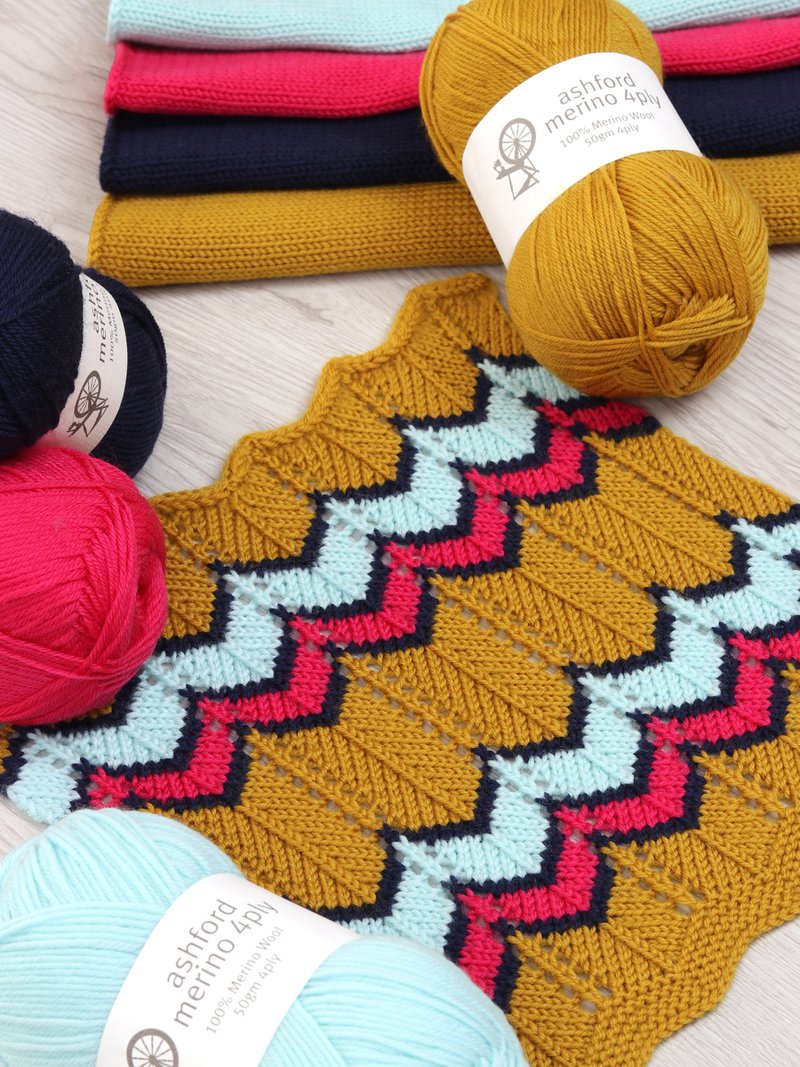
With proper care, superwash wool garments can easily last many years. Durability depends on fibre quality (finer merino versus crossbred wool), yarn structure (tightly spun yarns wear better), fabric density, and how the garment is washed and stored. A well-made jumper, washed gently and dried flat or on low heat, can come out of the wash looking great after 50 or more cycles.
Does It Pill More Over Time?
The superwash treatment doesn't directly cause pilling. It comes down to the staple length, fibre fineness, friction and yarn construction. That said, because superwash fibres are smoother and less grippy, pills can appear a little more readily in high-friction areas like underarms. The good news is that they're easy to remove, and the fabric underneath stays structurally sound.
Best Practices for Long-Term Care
If you want superwash wool to hold up to time and wear, follow these guidelines when washing:
- Use Cool Water: Even though it’s machine washable, stick to cold or 30°C cycles.
- Choose Gentle Detergent: Avoid harsh alkaline detergents.
- Be careful with the dryer: low heat is usually fine, but avoid high heat settings. Lay flat to dry when possible.
- Avoid Fabric Softener: It can break down fibres and coatings.
- Reshape While Damp: Superwash relaxes when wet. Blocking after washing keeps garments looking polished.
When Is Superwash the Right Choice?
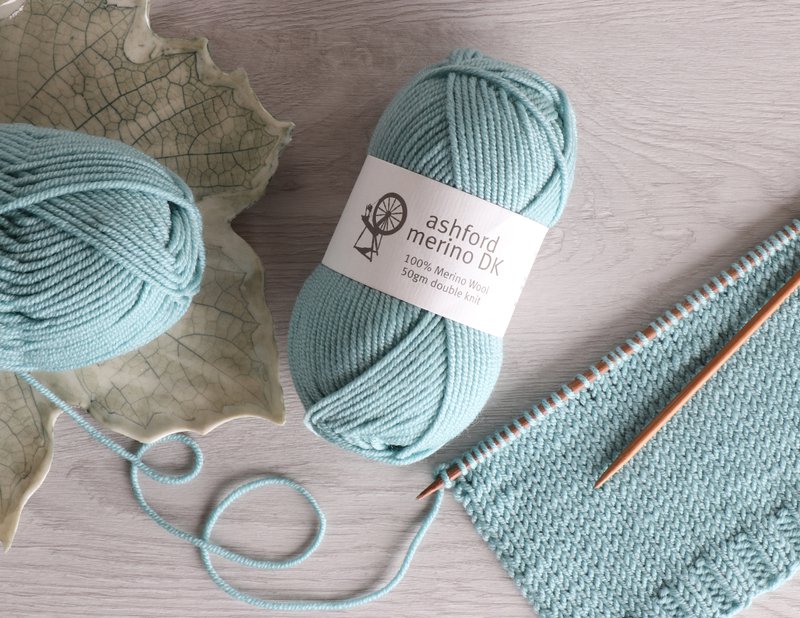
Superwash wool is a great fit for baby garments, everyday jumpers, socks, and anything you're gifting to someone who won't want to think too hard about laundry day. It offers the warmth and breathability of wool with genuinely practical care requirements.
You might prefer non-superwash wool if you want more structure and memory, you're weaving items that need fibre grip, you prefer a lower-chemical processing route, or you love the traditional character of untreated wool. Non-superwash wool often holds its shape better, pills a little less, and ages with more texture; it just needs more care in the wash.
So… Is It Truly Washable Long Term?
Yes... with realistic expectations.
Superwash wool won't felt easily. It won't dramatically shrink. It will survive many wash cycles. It may stretch if you're not careful about drying. And the coating can be damaged by high heat or heavy agitation. It's genuinely durable fibre when you care for it properly.
The biggest misconception is that "machine washable" means "indestructible." Superwash wool is washable, and it's practical, but like all natural fibres, it lasts longer when you treat it well.
If you're choosing yarn for a long-wear project, think about how the finished piece will actually live: how often it'll be worn, how it'll be washed, and whether the recipient is likely to follow the care instructions. Thinking through those questions will help you decide whether superwash is the right fit.
If you would like to read an in-depth comparison of superwash yarns and non-superwash yarns, read our article “Superwash versus Non-Superwash Yarns” on the Thread Collective blog.
Share this article on your favorite platform:
Table of Contents
- What Makes Wool “Superwash”?
- What Happens After Repeated Washing?
- How Long Can Superwash Wool Last?
- Best Practices for Long-Term Care
- When Is Superwash the Right Choice?
