























Pairing Handspun Yarn with Commercial Yarns in One Project: A Spinner's Guide to Beautiful, Balanced Makes
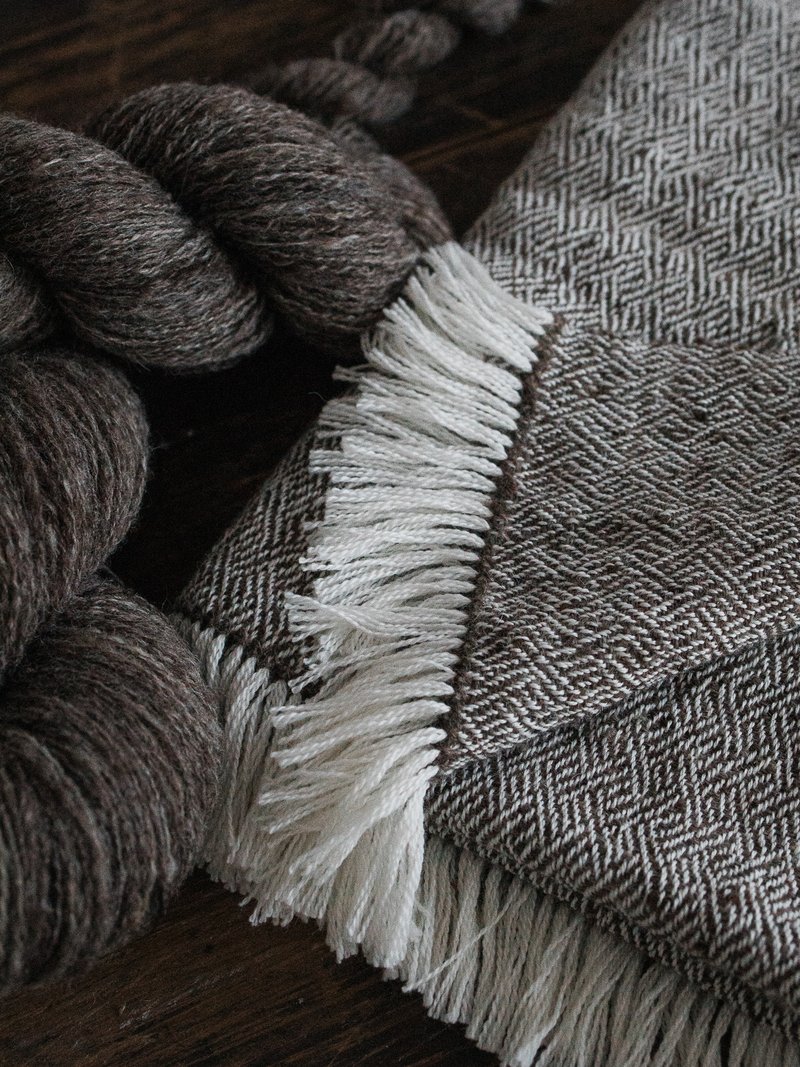
Finishing a skein of handspun yarn always feels special. Every metre shows the fibres you chose, the colours you blended, and the hours you spent spinning. It's yarn you just can't buy anywhere else.
But then come familiar questions: what should you make with just one skein? Or what would pair well to make that precious handspun go a little further?
Maybe you've spun a luxurious merino and silk blend that feels too special to store away. Or you've made a textured art yarn that deserves to really stand out in a project. You might also have several small skeins from spinning experiments, none of them enough on their own for a full sweater.
The good news is your handspun doesn't have to go solo.
Mixing handspun with commercial yarn opens up plenty of creative options. You don't have to wait until you've spun kilometres of matching yarn. Instead, let your handmade skeins stand out next to well-chosen commercial yarns. This way, you can enjoy spinning without feeling pressured to make enough for a whole sweater, yet still create something beautiful and personal.
Whether you knit, crochet, or weave, learning to mix handspun and commercial yarn can change how you see your stash.
Why Pair Handspun Yarn with Commercial Yarn?
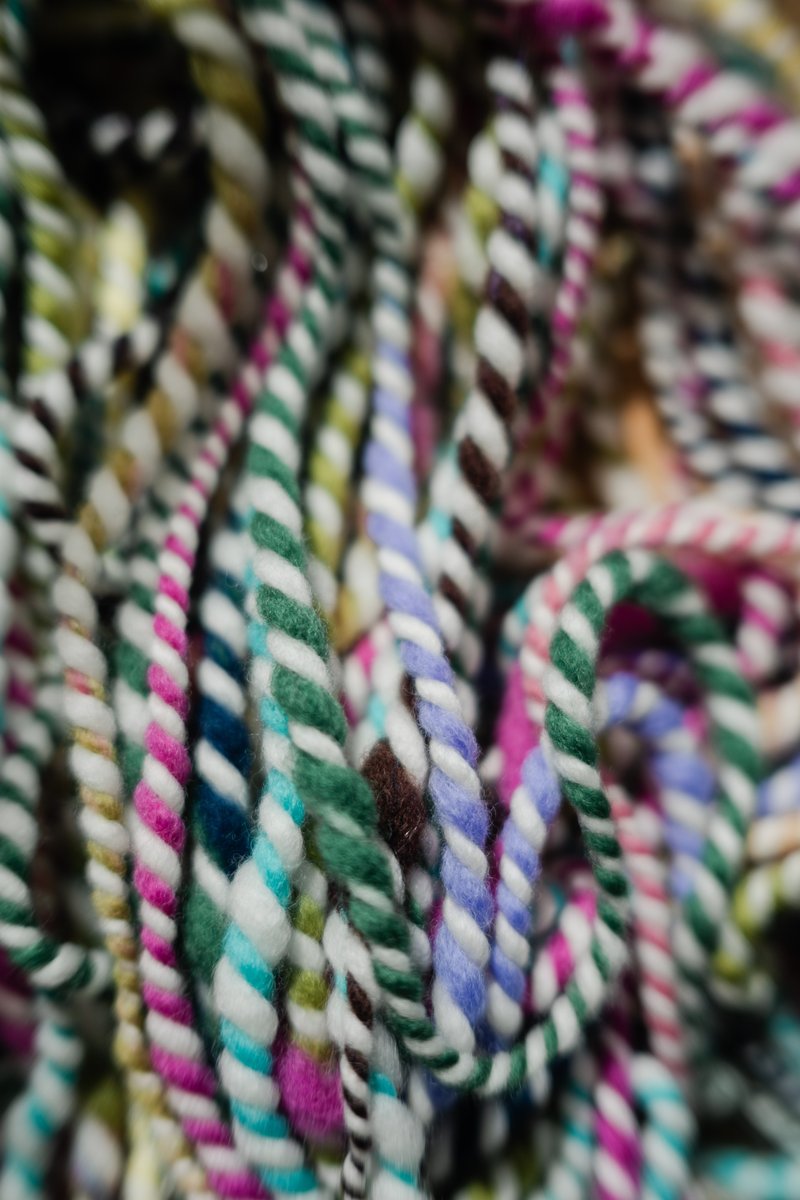
Many experienced spinners regularly mix their own yarn with commercial options, and for good reason.
Make Your Handspun Go Further
One of the biggest advantages is stretching a limited quantity of handspun yarn.
Instead of needing 1,500 metres of matching yarn for a jumper, you might only need 200 metres of handspun for yokes, cuffs, stripes, or decorative panels. This means you can enjoy wearing your handmade yarn much sooner without committing to months of spinning.
It's also an excellent way to use those special skeins that you've been saving because they feel "too precious" to use.
Highlight What Makes Handspun Special
Commercial yarn provides consistency. Handspun provides personality.
When you pair them intentionally, the smooth, uniform surface of commercial yarn lets the texture, colour shifts, and gentle halo of handspun stand out. Instead of clashing, they enhance each other's best qualities. Think of commercial yarn as the supporting cast that allows your handspun to take centre stage.
Reduce Project Fatigue
Let's be honest. Spinning enough yarn for a large garment can feel overwhelming.
Mixing in commercial yarn means you can finish larger projects without spending months spinning identical singles. You still get the satisfaction of using your own yarn, but the project stays manageable.
Choosing the Right Commercial Yarn
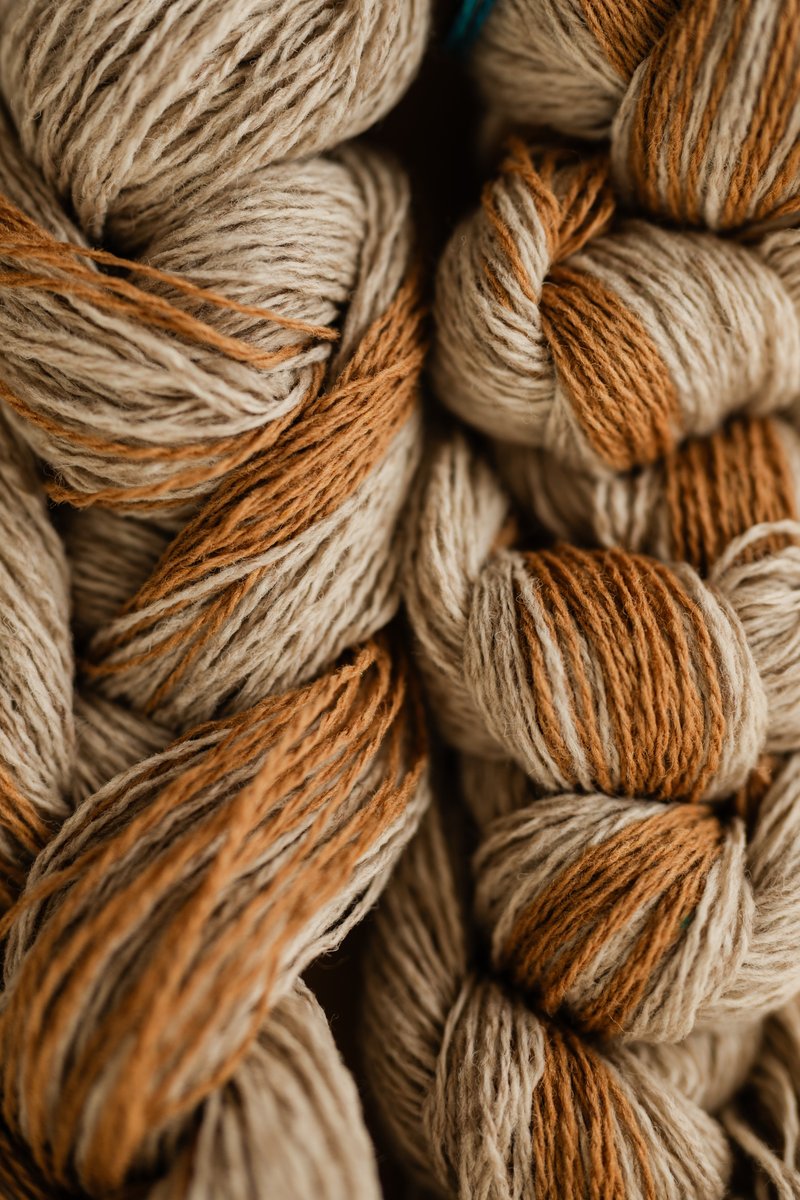
Choosing the right yarn first and foremost depends on your project. Knitting might call for pairing your handspun with a secondary yarn to match weight or feel, such as holding a strand of silk mohair alongside a merino handspun to bulk it up or add a soft halo. Weaving has different needs again, where strength and evenness in the warp matter more than they might for a knitted garment.
Beyond the project itself, not every commercial yarn pairs well with handspun. The key is choosing one that enhances rather than distracts.
Consider Fibre Content
Start by looking at what your handspun is made from.
If you've spun:
- Merino wool, pair it with commercial merino or a similarly soft commercial yarn such as a silk and wool blend.
- Corriedale, choose another medium-wool yarn.
- Silk blends, look for commercial yarns with a gentle sheen.
- Alpaca blends, select yarns with similar drape and softness or pair with a yarn that will provide memory to the cloth that alpaca lacks, such as wool.
Matching fibre types helps ensure both yarns behave similarly after washing and wearing.
For example, a lofty woollen-spun handspun paired with a dense cotton yarn may produce uneven fabric because the fibres respond differently in finishing.
Match the Weight
Once your project and fibre pairing are sorted, weight is the next thing to check. Your handspun doesn't need to be identical to the commercial yarn; however, the two should be reasonably close, or deliberately different if you're holding strands together to achieve a certain effect, feel, or weight. A common example is holding a strand of silk mohair with a strand of 4 ply/sock weight yarn to produce a DK weight yarn when knitting.
Before casting on, knit or weave a small sample using both yarns. Pay attention to stitch definition, fabric drape, thickness, and how the yarns sit beside one another. Sometimes a slightly thicker handspun works beautifully as an accent. Other times you'll want nearly identical diameters. Swatching saves surprises later.
Think About Texture
Texture is often where the magic happens.
Smooth commercial yarn paired with softly textured handspun creates wonderful visual contrast. But if your handspun is highly textured, with coils, slubs, or thick-and-thin sections, choose a simpler commercial yarn so it doesn't compete for attention.
Less is often more.
Colour Matters
Colour selection can dramatically change the finished project.
You might choose:
- a neutral commercial yarn that lets colourful handspun shine
- a tonal commercial yarn that echoes colours within your handspun
- a complementary colour for bold contrast
- a matching solid that enhances subtle gradients
Many handspinners find natural undyed yarns particularly versatile, since they let handspun colours remain the focus.
Best Project Ideas for Mixing Handspun and Commercial Yarn
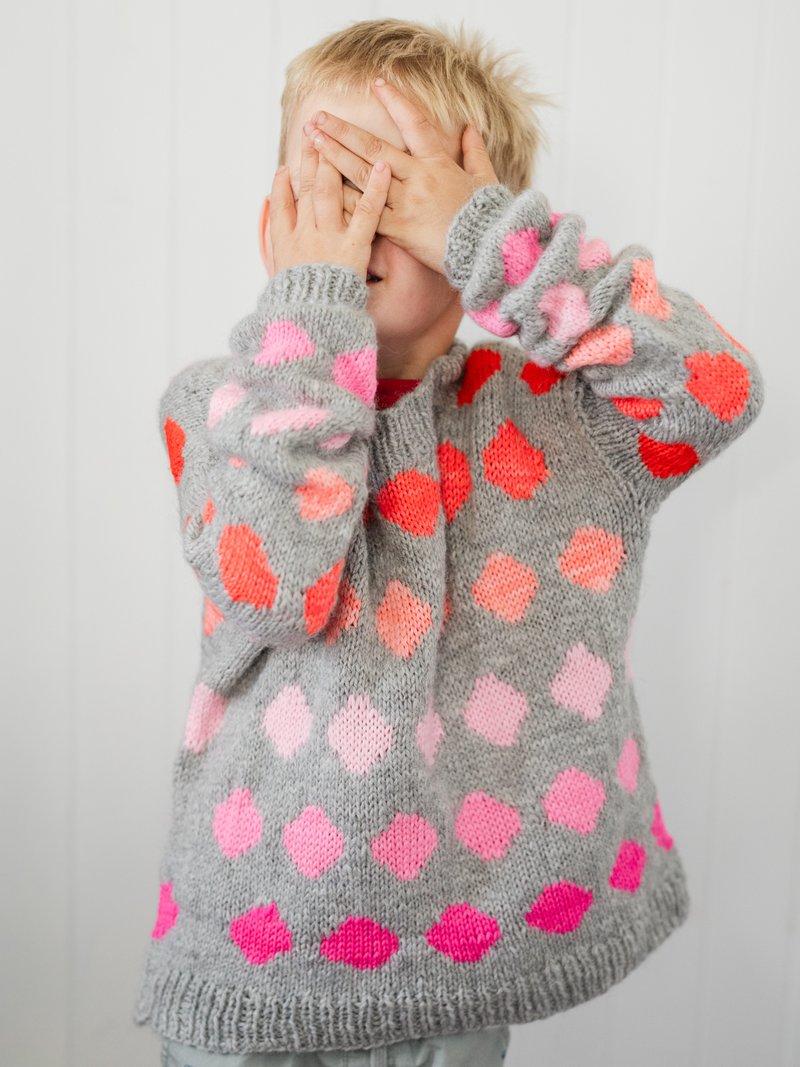
One of the joys of combining yarns is that almost any project can benefit.
Sweaters
Sweaters are perhaps the most popular project for combining handspun yarn and commercial yarns.
Try using handspun for:
- colourwork yokes
- sleeve cuffs
- hems
- pockets
- collar bands
- stripes
- decorative panels
The majority of the garment can be worked in commercial yarn, making the project lighter, faster, and easier to match.
Every time you wear it, you'll have a piece of your own spinning close to you.
Shawls
Shawls provide endless opportunities to showcase handspun.
Alternate sections of commercial yarn with handspun stripes, textured bands, or lace sections. Because shawls often celebrate colour and texture, they naturally lend themselves to mixing different yarns.
This is also an ideal project for gradient handspun.
Hats
A single skein of handspun is often enough for:
- the brim
- decorative stripes
- pom poms
- colourwork motifs
- textured panels
Hats are quick, satisfying projects that let you enjoy your handspun without needing large quantities.
Scarves and Cowls
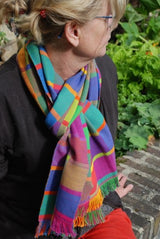
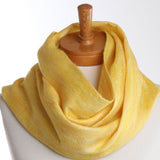
Scarves and cowls are perfect for experimenting. Alternate between commercial and handspun every few rows, create bold stripes, or reserve your handspun for eye-catching borders.
Because these accessories sit close to the face, beautifully coloured handspun really stands out.
Socks
While many spinners enjoy spinning sock yarn, commercial nylon-blend yarns can provide extra durability.
Try using handspun for the leg and commercial yarn for the heel and toe, where additional strength is often welcome.
Woven Projects
Weavers have enormous flexibility here.
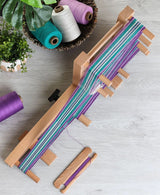
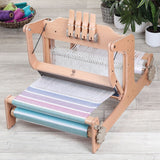
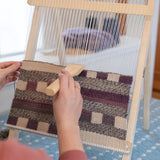
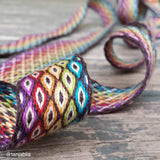
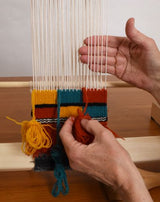
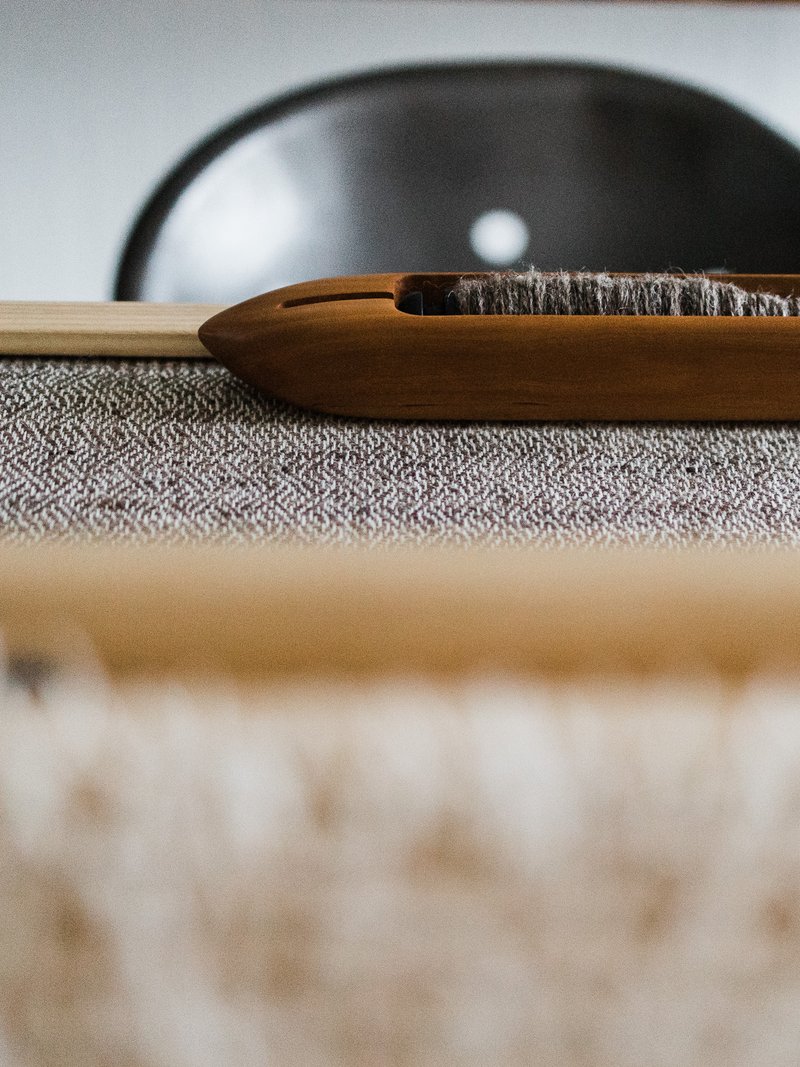
A smooth commercial weaving yarn can serve as a strong, even warp, while handspun becomes the weft, adding texture and visual interest. Well-plied handspun can also work as warp, so don't rule it out, but for your first few attempts, a reliable commercial warp takes some of the guesswork out of the process.
Handspun also makes stunning decorative stripes, borders, and feature panels in woven scarves, table runners, and blankets. This combination lets the character of handspun shine while keeping the structure sound.
Tips for Successfully Combining Handspun Yarn
A little planning goes a long way.
Always Swatch
Even experienced fibre artists rarely skip this step.
Swatching shows you how both yarns behave together after washing. Some yarns bloom significantly, while others barely change. Blocking your swatch reveals how the finished fabric will really look.
Check Gauge Carefully
Gauge isn't just about matching stitch counts.
Pay attention to:
- drape
- elasticity
- recovery
- fabric density
Sometimes two yarns match in thickness but behave completely differently once knitted or woven.
Embrace Imperfection
One of the greatest strengths of handspun is that it isn't identical throughout.
Tiny variations in thickness, twist, or colour aren't flaws. They're reminders that your yarn was made by hand. Rather than hiding those differences, let them become part of the story your finished project tells.
Creative Ways to Mix Handspun Yarn and Commercial Yarn
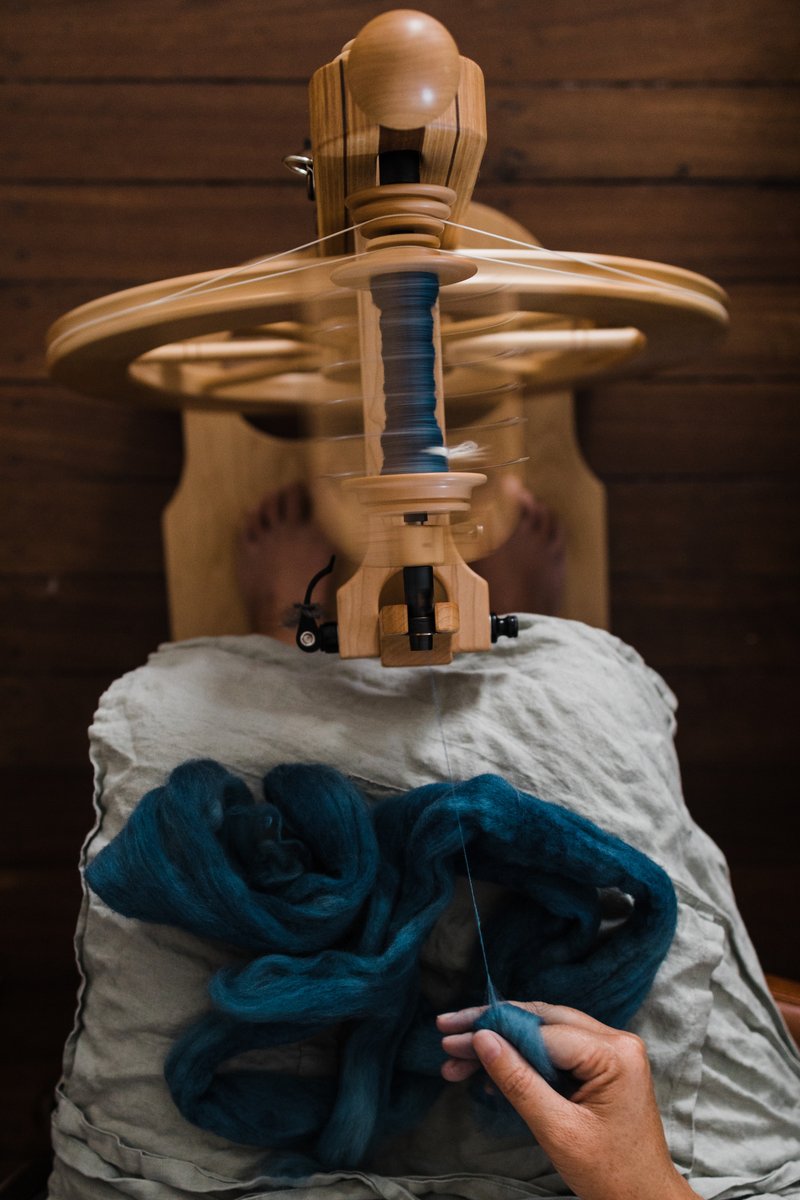
Once you've mastered the basics, it's time for the fun part: designing with intention. Rather than simply substituting one yarn for another, think about how each can play a unique role in your project.
Let Your Handspun Be the Feature
Your handspun has character that simply can't be replicated by machine, so use it where it will naturally catch the eye. Some beautiful ways to feature handspun include:
- Statement yokes on sweaters
- Colour-blocked sections
- Textured stripes
- Borders and edgings
- Decorative pockets
- Shawl centres or borders
- Woven feature panels
- Tassels and fringe
By limiting your handspun to focal points, you let its unique texture and colour shine without overwhelming the overall design.
Create Contrast with Texture
Texture can be just as impactful as colour. Imagine a smooth commercial merino paired with a softly woollen-spun yarn that blooms after washing, or a crisp cotton warp woven with a lofty, fluffy handspun weft. These combinations create visual interest while highlighting each yarn's qualities.
If you've spun a yarn with locks, tweed effects, silk neps, or gentle thick-and-thin variations, pair it with a smooth commercial yarn for a fabric that feels intentional rather than busy.
Play with Colour
Many handspinners enjoy dyeing or blending their own fibre, which results in colourways that are completely one of a kind. Instead of chasing an exact commercial match, look for colours that support your handspun. For example:
- Pair vibrant rainbow handspun with a soft charcoal or cream
- Use a tonal commercial yarn that echoes one of the colours in your handspun
- Choose complementary shades for a bold, modern look
- Mix naturally coloured wool with earthy commercial yarns for an organic palette
Sometimes the most beautiful combinations are the ones you wouldn't normally expect.
Common Mistakes to Avoid
Mixing handspun yarn with commercial yarn is wonderfully forgiving, but there are a few pitfalls worth avoiding.
1. Ignoring Fibre Behaviour
Different fibres react differently to washing and wear. Superwash wool, untreated wool, alpaca, cotton, linen, silk, and plant fibres all behave differently. If one yarn stretches considerably while another springs back into shape, the finished fabric can become uneven over time. Understanding how your chosen fibres behave helps ensure a project that lasts.
2. Skipping the Swatch
It's tempting to dive straight into casting on, especially when you're excited to use a newly finished skein. But swatching with both yarns is one of the best investments you can make. Wash and block your swatch exactly as you plan to treat the finished project, since your handspun may bloom, shift gauge slightly, or soften considerably once washed. Those discoveries are much better made on a small square than on an almost-finished sweater.
3. Trying to Make Everything Match Perfectly
Many new spinners worry that their handspun isn't "consistent enough." In truth, consistency isn't always the goal. Slight variations are part of what makes handspun special. Trying to force it to behave exactly like commercial yarn can take away the very charm that makes it unique.
Stop Saving Your "Special Skeins"
Almost every spinner has one: a skein so beautiful, so soft, or so full of memories that it stays tucked away for years while waiting for the "perfect" project. The irony is that many of those skeins never get used at all.
Pairing handspun with commercial yarn gives those treasured skeins the chance to become something you'll actually wear and enjoy. That single skein from your first successful spinning project could become the yoke of a favourite jumper. The luxury silk blend you've been saving might become the border of a beautiful shawl. The colourful art yarn that seemed impossible to use could become striking woven accents on a scarf.
Rather than waiting for perfection, let your handspun become part of your everyday life. After all, the joy of spinning doesn't end when the yarn comes off the bobbin. It continues every time you wrap yourself in something you helped create, from fibre to finished piece.
Finding the Right Yarn Companions
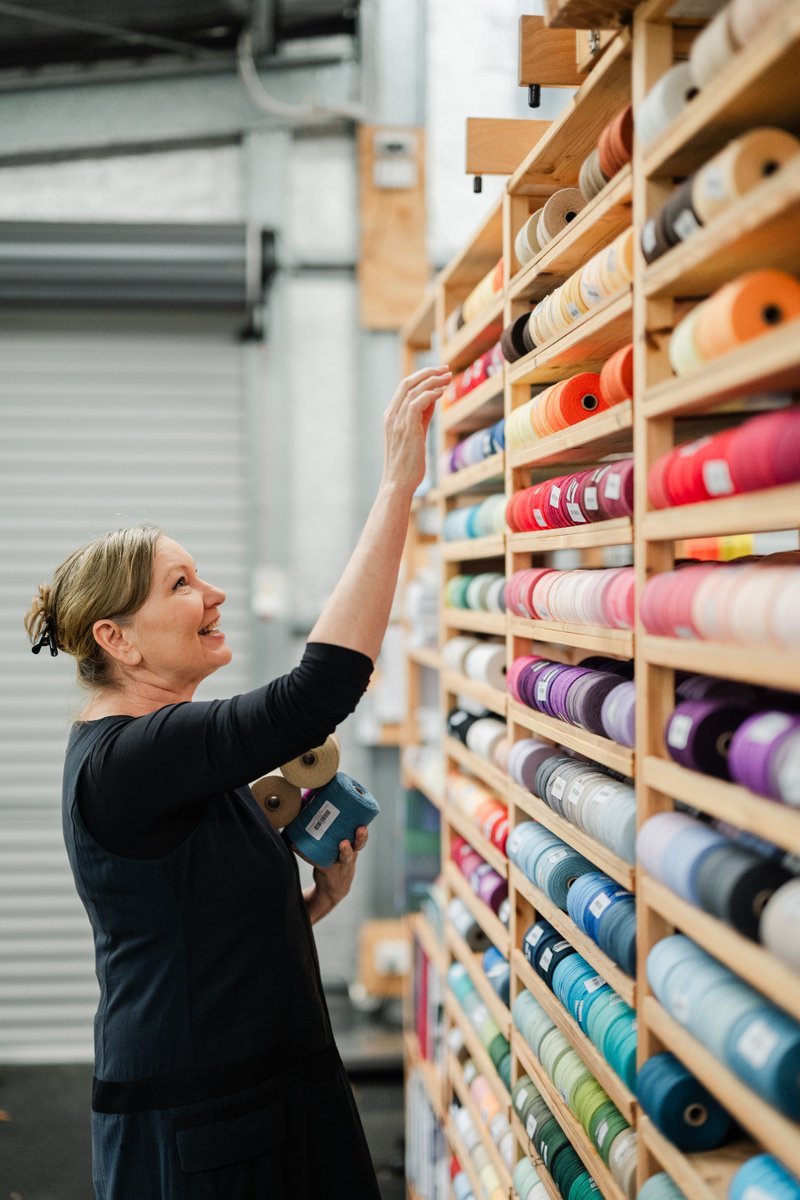
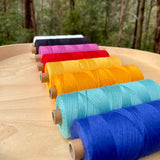
One of the easiest ways to achieve success is to start with high-quality materials. Choosing commercial yarns that are well-spun, thoughtfully dyed, and available in a wide range of fibres gives you far more flexibility when pairing them with your own handspun.
The same goes for spinning fibres, since beautiful yarn starts long before you sit at the wheel. Whether you enjoy spinning fine merino, sturdy corriedale, luxurious silk blends, alpaca, or colourful dyed tops, working with quality fibre makes the spinning experience more enjoyable and helps you produce yarn you'll actually want to use.
At Thread Collective, you'll find one of Australia's largest selections of premium fibres and yarns for fibre artists. From natural plant and animal fibres for spinning to beautiful commercial yarns for knitting, crochet, and weaving, every product is chosen to inspire creativity.
Beyond the products themselves, Thread Collective is passionate about supporting Australia's fibre arts community through educational resources, project inspiration, and carefully curated tools from trusted makers around the world. It's a place where beginners and experienced makers alike can discover new techniques, learn with confidence, and keep growing their creative skills.
Share this article on your favorite platform:
