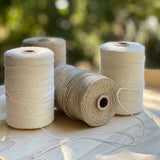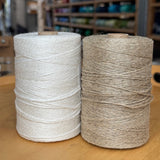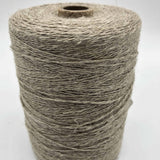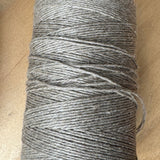
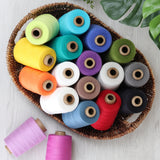

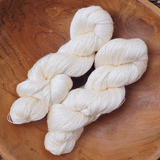

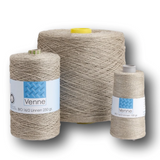
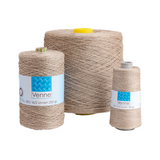
Raw Organic Linen Nel 16/2 - Venne


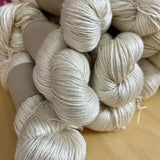
Raw Linen
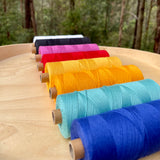
Venne longflax linen is wet spun, which makes it smooth and shiny. The raw organic linen is a versatile yarn that can be used in weaving, textile art and basket projects.
Venne's organic line linen has been sourced from flax fields in Hungry and has achieved GOTS Certification and the company has an emphasis on producing the highest quality yarns.
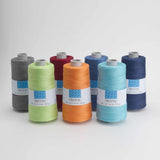
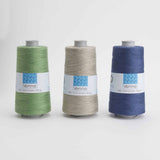
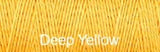
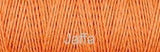
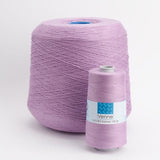
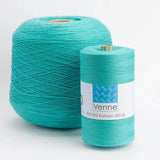
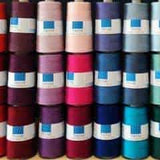
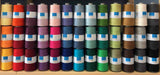
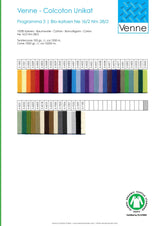
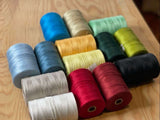
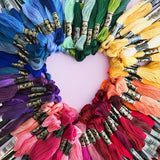
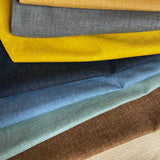
The colours shown are indicative only and are subject to slight colour variations between dye batches.
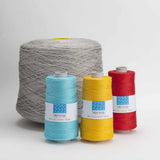
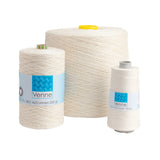
1 cone of Venne Raw Organic Linen Nel 16/2
Fibre Name: Organic Linen
Size (g)
- 100g cone (550m) - colours available here
- 250g cone (1230m)
- 1kg cone (4920m)
Fibre Content: 100% organic Linen
Yarn Count Nel: Nel 16/2
Meters per Kilo: 4920m per kilo
Yards Per Pound: 2440 yards per pound
Ply: 2-ply with a tight twist
Yarn Delivery: Cone
Suggested Sett: 28-30 epi
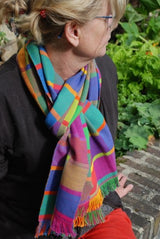
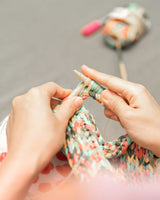
Yes, linen yarn is excellent for knitting breathable, lightweight garments, especially for warm weather. Its natural moisture-wicking properties help regulate body temperature, keeping you cool. Over time, linen fabric becomes softer and more comfortable with wear and washing, making it ideal for summer tops, cardigans, and shawls.
Linen lacks the stretchiness of wool, making it less forgiving for uneven tension. This can result in stiff or inconsistent stitches if not managed properly. Knitters should swatch before starting a project and use relaxed tension to ensure smooth, even fabric. Blocking helps linen fabric drape beautifully.
Wooden or bamboo needles are recommended because they provide better grip on the smooth, slippery linen fibers. This helps maintain tension and prevents stitches from slipping too easily. Metal needles, while faster for some, may make linen more challenging to control, especially for beginners.
Linen yarn softens significantly after washing, gaining improved drape and flexibility. The fabric becomes smoother and more pleasant against the skin over time. Washing also enhances its absorbency, making it excellent for summer clothing, household textiles, and lightweight accessories.
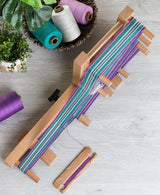
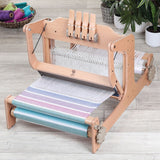
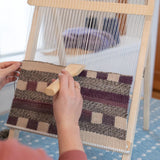
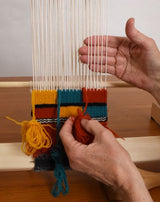
Yes, linen yarn is an excellent choice for weaving. It produces strong, durable, and breathable fabrics ideal for garments, table linens, towels, and other home textiles. Its long fibers create a smooth and sturdy warp, ensuring longevity and wear resistance.
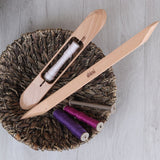
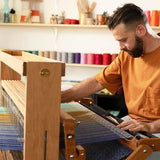
Maintaining firm, even tension is crucial when weaving with linen. It does not stretch like wool, so inconsistencies in tension can lead to uneven fabric. Using a temple (stretcher) can help prevent draw-in and keep the woven fabric stable during the weaving process.
Linen may shrink, especially after the first wash, though less than cotton. Pre-washing the yarn or finished fabric, prior to cutting/sewing, is advisable to minimise potential problems with shrinkage. Over time, linen relaxes and becomes more pliable, making it even more comfortable to wear and use.
Wetting linen yarn before weaving, a process called "dampening," can reduce breakage and improve flexibility. Slightly misting the yarn, working in humid conditions or running it through a damp cloth can make it easier to handle, especially in high-tension warp setups.
Linen is significantly stronger than cotton, with higher tensile strength, making it more resistant to wear and tear. It also becomes softer over time while maintaining durability. Unlike cotton, linen has natural antibacterial and moisture-wicking properties, making it ideal for long-lasting textiles.
Organic linen yarn is produced without harmful chemicals, pesticides, or synthetic fertilizers, making it environmentally friendly and safe for the skin. It supports sustainable farming practices and provides a biodegradable fibre that naturally decomposes without polluting the environment.