






Crafting with a Conscience: How Fibre Arts Can Help Reduce Fast Fashion
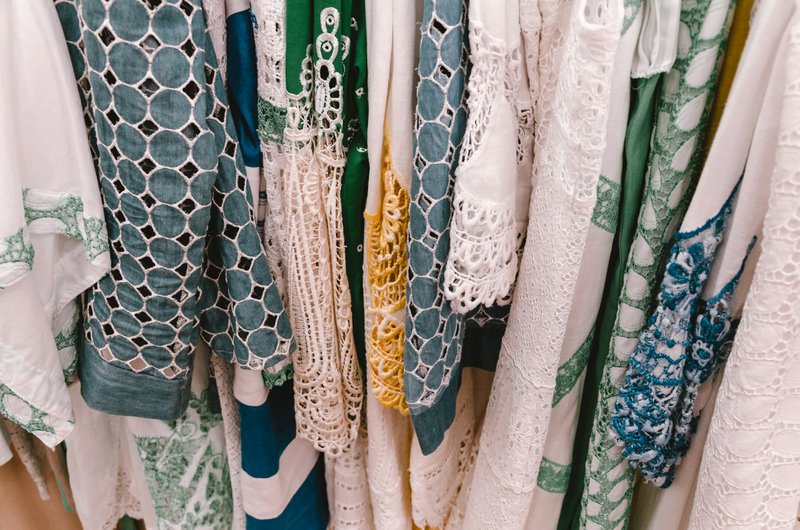
Fast fashion has changed how we approach clothing and home textiles. Clothes are cheaper, and trends move faster, but this comes at a cost. Around 92 million tonnes of textile waste are produced each year globally. Synthetic fibres release microplastics when washed, water is used in massive quantities, and workers often face poor conditions.
In response, many people are turning to fibre arts. Weaving, knitting, crocheting, and spinning help us slow down, connect with materials, and make textiles that last. When you make fabric yourself, you understand what goes into it. You value it more, repair it when needed, and keep it for years instead of a season.
Understanding the Impact of Fast Fashion
Fast fashion relies on speed and constant newness. Brands release new collections every week, pushing people to buy more and discard quickly. In Australia alone, the average person throws away 23–31 kilograms of textiles each year. Despite 95% of these items being recyclable or reusable, only 7% are currently recycled. Many of these items are barely used. In fact, 33% of garments are discarded within one year of purchase. Around the world, millions of tonnes of textiles end up in landfills each year, much of it discarded long before its useful life ends.
Synthetic fibres compound the problem. When washed, they release microplastics that end up in our oceans, up to 500,000 tonnes annually. Natural fibres are often grown and processed with harsh chemicals to meet demand.
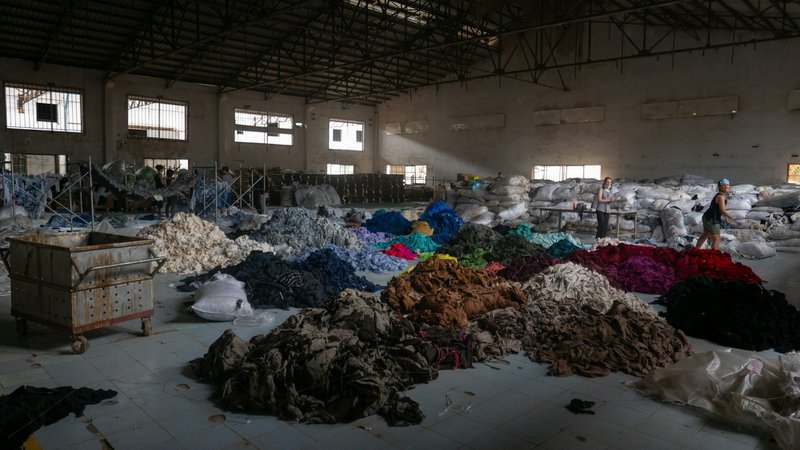
But the environmental damage comes with a human cost. The fast fashion industry employs approximately 60 million factory workers worldwide, yet less than 2% earn a living wage. Workers often face 16-hour days, seven days a week, in unsafe conditions. When clothes are made cheaply, the people making them are undervalued too.
Fast fashion also disconnects us from the origins of our clothes. Fabrics appear in stores as finished products, with no story or sense of the work that went into them. This makes it easier to buy without considering the impact.
Fibre arts offer a different approach, one built on care, skill, and respect for materials and people.
Fibre Arts and the Philosophy of Slow Fashion
Slow fashion doesn't mean giving up style or creativity. It encourages thoughtful choices: owning fewer things, choosing better quality, and connecting more deeply with what you wear and use at home. Fibre arts fit naturally into this approach.
When you knit a jumper, weave a table runner, or crochet a blanket, you put time and creativity into the process. You know how the fabric was made because you were there for every step. This drives you to value the finished piece, repair it when needed, and keep it for years.
Crafting slows us down in a world that constantly demands speed. It encourages patience, mindfulness, and pride in workmanship – qualities that work against fast fashion's throwaway culture. Each stitch or pass of the shuttle becomes a statement against disposability.
From Fibre to Fabric: Reclaiming the Process
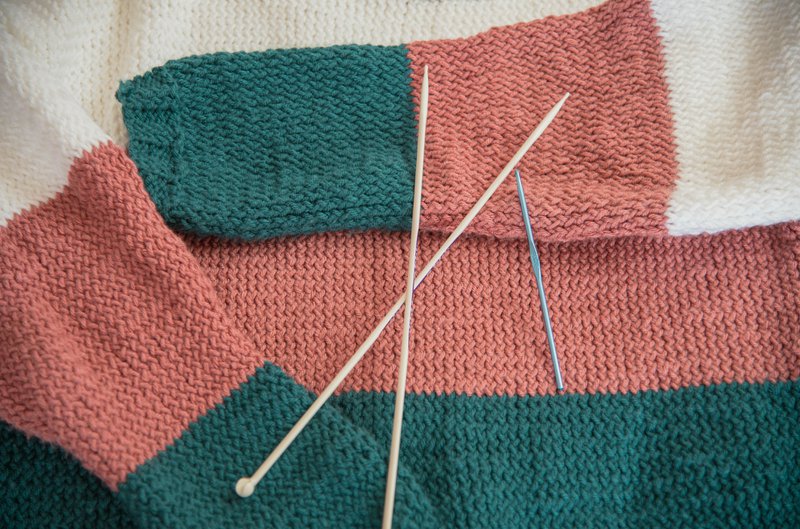
One of the most powerful ways fibre arts challenge fast fashion is by reconnecting us with the origins of textiles. Spinning fibre into yarn, then weaving, crocheting or knitting that yarn into fabric, is a transformative experience that reshapes how we view clothing and household textiles.
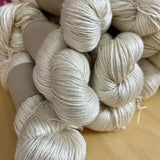
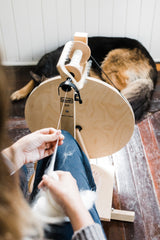
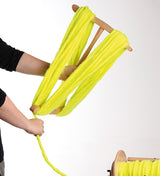
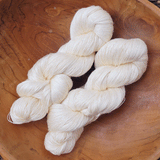
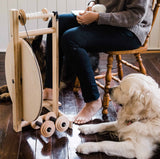
Using a spinning wheel to turn raw fibre into yarn makes the work behind textiles tangible. Yarn is no longer just a product on a shelf; it represents time, skill, and tradition. Even a small skein feels meaningful when you've done the drafting, twisting, and winding yourself.
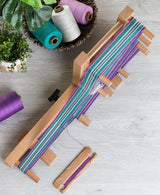
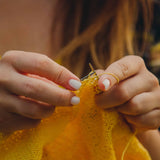
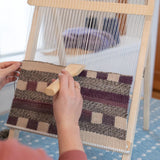
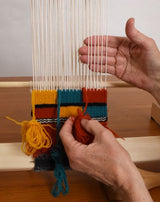
From there, weaving on a loom or working with knitting needles or crochet hooks completes the journey from fibre to fabric. This process fosters deep respect for materials and discourages waste. Every metre of yarn and every square centimetre of fabric feels precious because you know what went into creating it.
Making fabric from scratch is a bold choice in today’s fast fashion world. It connects us with traditional skills and reminds us that textiles were once valued, made to last, and cared for.
The Role of Tools in Conscious Crafting
Crafting with intention is more effortless and enjoyable when you have tools designed to last. Not only does quality equipment support better results and reduce frustration, but it also prevents the throwaway cycle of poorly made tools being replaced again and again.
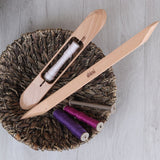
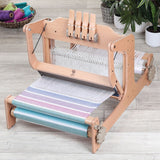
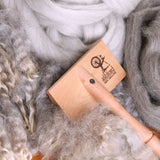
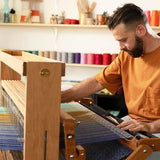
Buying a well-made loom, a reliable spinning wheel, or carefully designed knitting and crochet tools is a sustainable choice. Durable tools can last for decades, be maintained and repaired, and even be handed down to others.
Thread Collective, Australia's top retailer for weaving supplies, offers equipment built to last. Our range of looms, spinning wheels, yarns, and fibre tools supports makers at every stage. Whether you're new to weaving or working on advanced spinning, choosing quality tools helps your craft match your values.
Choosing Yarns with Purpose

Fast fashion uses cheap, mass-produced fibres, prioritising price over quality. When you make textiles yourself, you choose yarns that suit your project and will last.
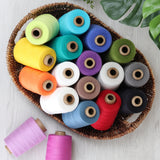
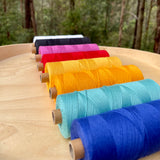
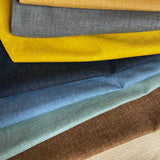
Natural fibres like wool, cotton, linen, and silk break down naturally and can last for years with proper care. Each fibre has its own strengths, feel, and best uses, allowing you to create textiles that work well and age beautifully.
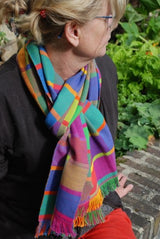
Buying yarn for a specific project helps reduce waste. Instead of impulse-buying clothes that might only be worn a few times, you carefully choose materials, matching fibre, weight, and texture to what you're making. A handwoven tea towel, knitted cardigan, or crocheted shawl becomes something meaningful with a story, not just another trend.
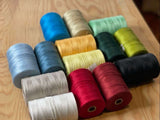
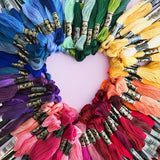
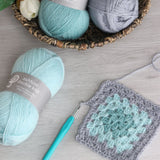
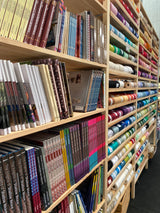
Thread Collective's range of yarns and fibres supports this mindful approach. We offer options suitable for weaving, knitting, crochet, and spinning. Choosing the right yarn isn't just about colour; it's about creating textiles that align with your values and lifestyle.
Repair, Reuse, and Creative Resourcefulness
Repair and reuse are practical ways to challenge fast fashion. Makers know that textiles are not meant to be thrown away. A dropped stitch can be fixed, a worn edge can be rewoven, and a damaged spot can be reinforced.
Fibre arts also encourage creative use of materials. Leftover yarn can be used for small projects, scraps can be added to tapestry weaving, and handspun leftovers can bring texture and character to new pieces. This mindset turns waste into opportunity.
By learning how to make fabric, crafters become confident in altering, mending, and reworking textiles instead of replacing them. These skills help clothes and household items last longer, reducing the need for new, mass-produced items.
Crafting as a Mindful, Ethical Practice
Beyond environmental benefits, fibre arts offer connection and wellbeing. The repeated motions of knitting, the rhythm of weaving, and the focus needed for spinning can be calming.
Crafting helps us stay present, use our hands, and step away from constant digital noise. When we make textiles ourselves, we connect with what we create and feel empowered, more grateful, and more caring, rather than always wanting something new.
This mindful approach naturally leads to more ethical choices. When you see how much work goes into making fabric, it becomes harder to treat clothing and textiles as disposable.
You can read more about how fibre arts benefit our nervous system and wellbeing in our article, The Calm of Repetition: How Fibre Crafts Soothe an Overloaded Mind.
Building a Sustainable Fibre Community
Crafting with a conscience is not something you do alone. All over the world, makers are building communities that value slow making, ethical sourcing, and sharing skills. Workshops, weaving groups, knitting circles, and online forums offer places to learn, get support, and find inspiration.
Supporting specialist retailers like Thread Collective helps keep this community strong. When you buy yarn, looms, spinning wheels, and tools from a dedicated fibre arts supplier, you support learning, skill development, and a community focused on craftsmanship instead of mass production.
Thread Collective plays an important role in Australia’s fibre arts community, offering not just supplies but also knowledge and inspiration for makers who want to create with purpose.
Small Choices That Create Lasting Change

Moving away from fast fashion doesn't require perfection. Start with small choices: making one garment instead of buying many, repairing instead of replacing, learning about your materials, and choosing quality over quantity.
Fibre arts help us build a deeper connection to what we wear and use at home. Every stitch, shuttle pass, or turn of the spinning wheel reminds us that textiles can be meaningful, long-lasting, and personal.
This isn't about giving up fashion; it's about redefining it. When we make fabric by hand, using quality yarns and tools from trusted suppliers like Thread Collective, we choose a future where creativity, sustainability, and care come together.
Ready to start your journey into conscious crafting? Explore Thread Collective’s range of yarns, looms, spinning wheels, and knitting and crochet tools, and see how making fabric from scratch can be a powerful step away from fast fashion, towards something more meaningful.
Share this article on your favorite platform:
Table of Contents
- Understanding the Impact of Fast Fashion
- Fibre Arts and the Philosophy of Slow Fashion
- From Fibre to Fabric: Reclaiming the Process
- The Role of Tools in Conscious Crafting
- Choosing Yarns with Purpose
- Repair, Reuse, and Creative Resourcefulness
- Crafting as a Mindful, Ethical Practice
- Building a Sustainable Fibre Community
- Small Choices That Create Lasting Change

1 comment
What a great article! Really enjoyed reading this. :-)