








Colour Therapy in Fibre Arts: Choosing Shades That Lift Your Mood
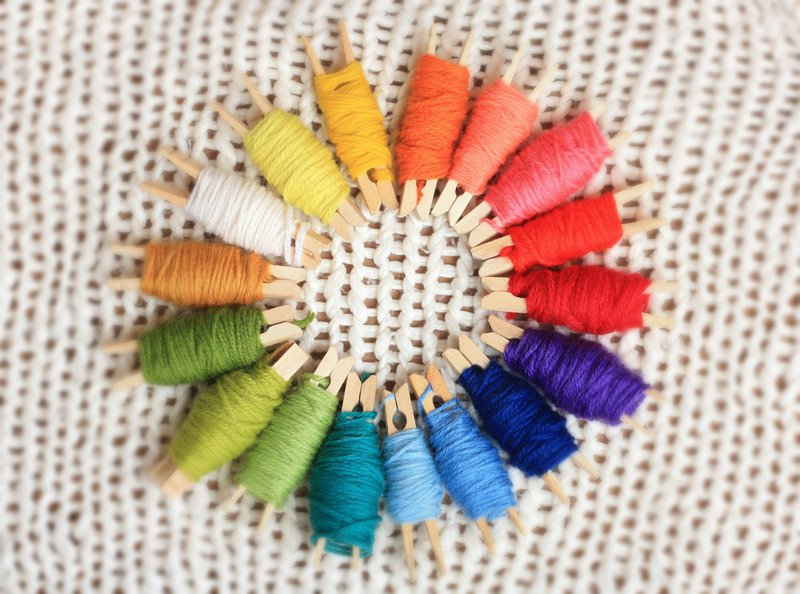
Some days, you reach for soft blues and greys without thinking about it. Other days, nothing feels right except bright reds or sunny yellows. If you've noticed this happening with your yarn stash, you're not imagining things.
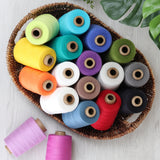
For fibre artists, colour isn't just about making something pretty. We spend hours with our chosen shades—threading a loom, drafting fibre, counting stitches, building texture row by row. The colours we work with don't just shape our finished pieces. They shape how we feel while we're making them.
This is why colour therapy matters in fibre arts. In this article, we'll look at how different colours affect mood, how you can use colour choices to support your wellbeing, and how the right shades can lift your spirits or calm your mind. Along the way, you'll find ideas for exploring the yarns and fibres at Thread Collective.
What Is Colour Therapy (and Why It Matters in Fibre Arts)?
Colour therapy (also called colour psychology) examines how different colours affect our emotions, energy, and focus. It's not an exact science with rigid rules. Instead, it recognises that many of us share similar responses to certain colours—especially when we are surrounded by them for hours at a time.
Fibre arts are particularly well-suited to colour therapy because they combine several elements:
- Visual stimulation: Seeing colour repeatedly as you work
- Tactile interaction: Touching fibres and yarns
- Time and rhythm: Hours spent immersed in your project
Unlike painting, where you apply colour and step back to view it, fibre artists are surrounded by colour throughout the entire making process. This makes choosing your colours more than just an aesthetic decision. It's a personal one that affects how you feel while you create.
Choosing Colour by Feeling, Not Rules
Before we talk about specific colours, here's something important: there's no wrong colour choice. Colour therapy in fibre arts works best when you follow your instincts rather than strict guidelines.
Instead of asking, "What colour should I use?" try asking:
- How do I want to feel while working on this project?
- Do I need calm, motivation, comfort, or creative energy right now?
- Will this be a slow, meditative project or a playful, energising one?
When you start choosing colour based on feeling, you'll often find the right yarn almost chooses itself.
Calming & Grounding Colours: Blues, Greens, and Soft Neutrals
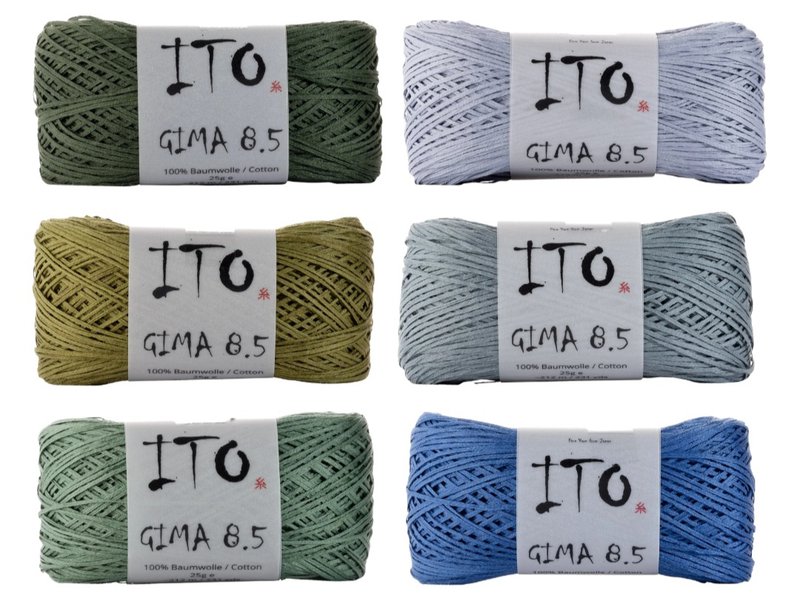
Calming colours work well when you're craving stillness, focus, or a sense of grounding. These shades are especially well suited to slow crafts like weaving, spinning, and long knitting or crochet projects.
How These Colours Affect Mood
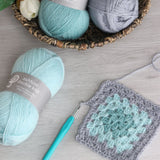
- Blue: Connected with calm, clarity, and steady focus. Research shows that blue has the potential to lower blood pressure and heart rate, helping create a sense of tranquillity.
- Green: Evokes balance, nature, and restoration. Studies have found that even brief exposure to green can reduce mental fatigue and improve well-being.
- Soft greys and natural tones: Create emotional neutrality and mental rest.
These colours can help reduce stress and encourage mindfulness. They're perfect if you use crafting to unwind after a busy day.
Best Fibre Arts Uses
- Meditative knitting or crochet.
- Weaving projects with repetitive rhythms.
- Spinning sessions focused on consistency rather than speed.
Yarn & Fibre Pairings
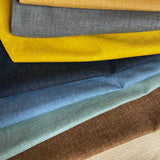
Natural fibres often enhance the calming effect of these colours. Cotton, linen, silk, and softly dyed wool work particularly well. Subtle colour variations and matte finishes tend to feel more soothing than high-contrast or glossy yarns.
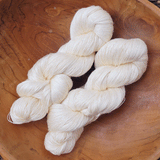
When browsing the yarn collection at Thread Collective, calming colourways often appear in soft blues and eucalyptus greens, undyed or gently tinted fibres, and yarns designed for weaving and mindful making.
Energising & Uplifting Colours: Yellow, Coral, and Bright Neutrals
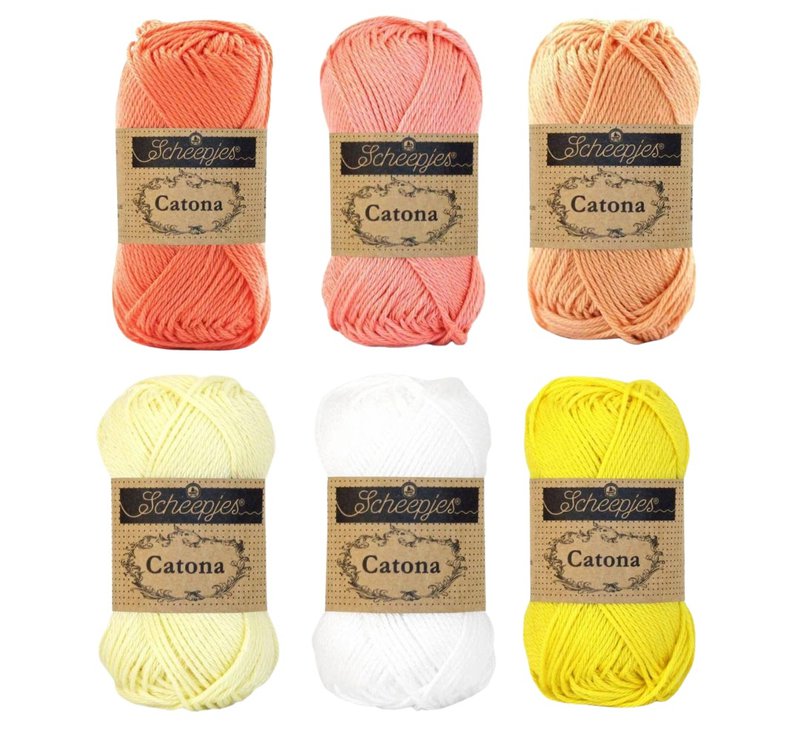
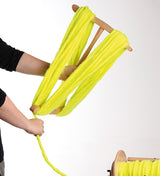
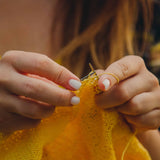
If you've been feeling creatively flat or unmotivated, uplifting colours can help. These shades bring lightness, optimism, and a sense of play back into your craft.
How These Colours Affect Mood
- Yellow: Associated with joy, optimism, and mental stimulation. Research indicates that yellow can boost mental activity and enhance mood, particularly in environments with less natural sunlight.
- Coral and peach tones: Warm, friendly, energising. These colours combine the energy of red with the cheerfulness of yellow.
- Bright whites: Freshness and clarity.
These colours are especially helpful when you start a new project or make something meant to bring happiness, whether for yourself or as a gift.
Best Fibre Arts Uses
- Small, joyful projects
- Gifts and decorative pieces
- Spring and summer makes
Yarn & Fibre Pairings
Smooth, plied yarns and lighter-weight fibres allow uplifting colours to shine without becoming overwhelming. Cotton yarns, lighter wool blends, and fine crochet yarns work beautifully here.
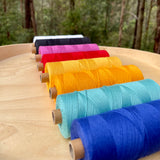
Thread Collective's range of cotton yarns and bright colourways makes it easy to explore uplifting palettes that feel cheerful without being overpowering.
Confidence-Boosting Colours: Reds, Oranges, and Jewel Tones
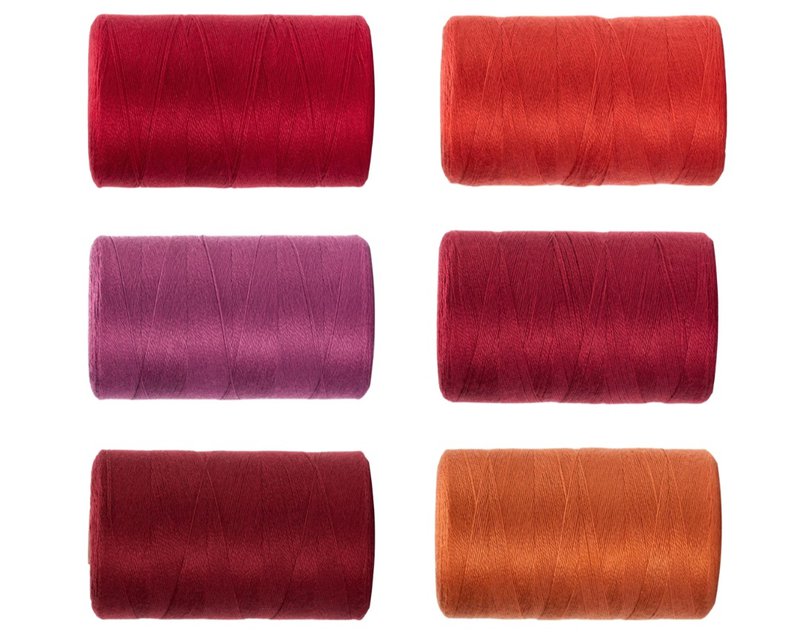
Some projects require a bit of bravery, like trying a new technique, weaving a bold pattern, or spinning an experimental blend. This is when confidence-boosting colours can help.
How These Colours Affect Mood
- Red: Associated with passion, strength, and confidence. Red can increase alertness and energy, though it's often best used in moderation to avoid overwhelming the senses.
- Orange: Linked to creativity, warmth, and enthusiasm. Orange combines the physical energy of red with the cheerfulness of yellow.
- Jewel tones: Richness, depth, creative intensity.
These colours can energise you and encourage creative risk-taking, making them ideal when you want to step outside your comfort zone.
Best Fibre Arts Uses
- Statement pieces
- Artistic or experimental weaving
- Colourwork knitting or crochet
- Fibre blending and art yarn spinning
Yarn & Fibre Pairings
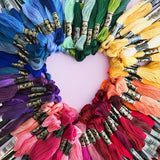
Highly textured yarns, hand-dyed fibres, and blends with silk or lustre amplify the impact of bold colours. Jewel tones especially come alive in fibres with sheen or depth.
Exploring fibre tops, rovings, and textured yarns at Thread Collective can open up endless possibilities for colour-led creativity.
Comforting & Nurturing Colours: Mauves, Warm Browns, and Soft Pinks
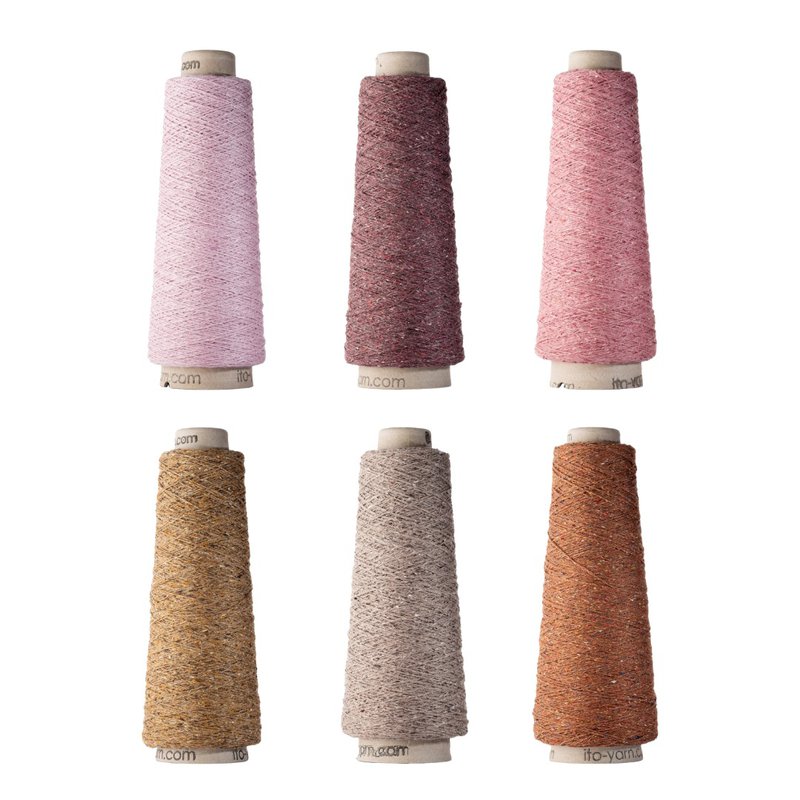
Comfort colours feel like a warm cup of tea. They're perfect for projects you return to often—the ones that feel safe, familiar, and emotionally grounding.
How These Colours Affect Mood
- Soft pinks and mauves: Gentle comfort and emotional warmth. Pink is associated with nurturing qualities and can create a sense of emotional safety. Mauve offers calm serenity and introspection.
- Warm browns and taupes: Stability, security, connection. Brown is linked to reliability and grounding, evoking the earth and natural materials.
- Muted neutrals: Ease and familiarity
These shades are especially helpful during times of stress, change, or emotional fatigue.
Best Fibre Arts Uses
- Long-term projects
- Winter and autumn makes
- Comfort knitting or crochet
- Slow, repetitive weaving
Yarn & Fibre Pairings
Woollen-spun yarns, cosy wool blends, and fibres with natural warmth enhance the nurturing quality of these colours. Slightly rustic textures often feel more comforting than ultra-smooth finishes.
Thread Collective's thoughtfully curated yarn ranges make it easy to find cosy, comforting colourways that invite you to slow down and settle in.
How Fibre Texture Enhances Colour Therapy
Colour doesn't exist on its own. Texture changes how a colour feels. The same shade can create different emotions depending on the fibre type, twist, and finish.
For example:
- A soft blue silk yarn may feel calming yet luxurious.
- The same blue in a rustic wool might feel grounding and earthy.
- A glossy red yarn feels bold and dramatic, while a matte red feels warmer and more subdued.
When choosing yarns or fibres, consider not just the colour but how it feels in your hands. Thread Collective's detailed product descriptions and fibre information can help guide these choices.
Choosing Colour for Different Fibre Arts Disciplines
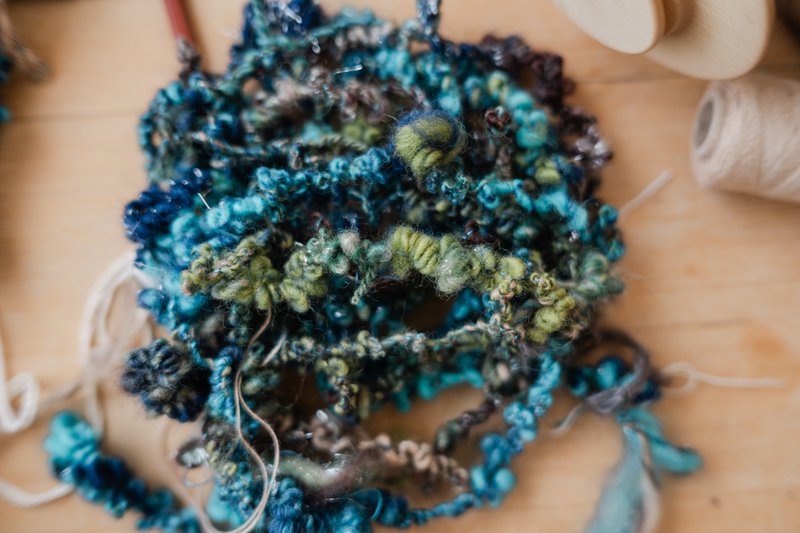
Weaving
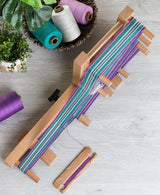
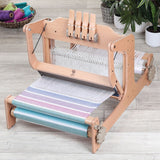
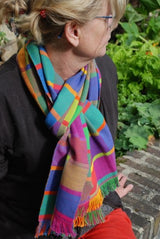
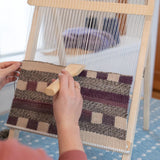
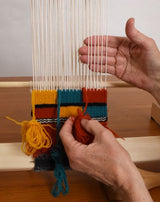
Weaving allows colour to interact structurally through warp and weft. Calm, subtle colours often suit complex patterns, while bold shades tend to shine in simpler structures. Because colours combine in unexpected ways on the loom, often very differently from mixing paint, it is important to sample first so you can be confident your choices will work as you wish in the finished cloth.
Spinning
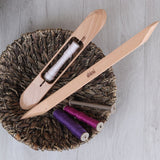
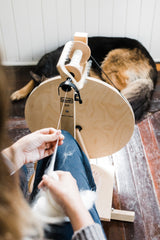
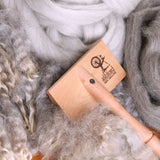
Spinning invites deep immersion in colour. Gentle gradients can feel meditative, while high-contrast blends energise the process. Use tools such as drum carders or blending boards to create a blend that’s uniquely yours.
Knitting & Crochet
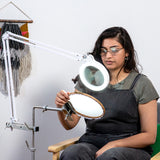
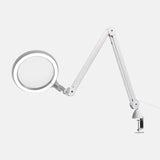
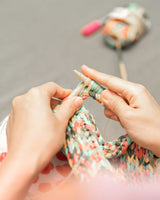
These crafts often involve long stretches of repetition, which makes mood-supportive colours especially important. Comforting shades work well for large garments, while uplifting colours suit smaller projects. You might also consider incorporating tools designed for mindfulness to create an especially calming craft session.
Practical Tips for Using Colour Therapy in Your Crafting Practice
Colour choices shape not only how a project looks, but how it feels to work on. A little intention at the beginning can make your crafting time more enjoyable, grounding, and emotionally supportive.
- Choose your yarn(s) in natural light whenever possible.
- Lay out potential colour palettes and notice your emotional responses.
- Match project length to colour intensity, using gentle colours for long projects and bold colours for quick makes.
- Trust your instincts (they're usually right)
Colour therapy doesn’t require perfection. It only asks that you pay attention.
Crafting as Emotional Care
At its core, fibre arts are about more than just finished objects. They're about the process, being present, and caring for yourself emotionally. Choosing colours that support how you want to feel is a simple but powerful way to make your creative practice more nourishing.
Whether you're seeking calm, joy, confidence, or comfort, colour can help guide your hands and your heart as you create.
When you're ready to explore yarns, fibres and books that support how you want to feel, the thoughtfully curated collections at Thread Collective are there to inspire your next project, one colour at a time.
Share this article on your favorite platform:
Table of Contents
- What Is Colour Therapy (and Why It Matters in Fibre Arts)?
- Choosing Colour by Feeling, Not Rules
- Calming & Grounding Colours: Blues, Greens, and Soft Neutrals
- How These Colours Affect Mood
- Best Fibre Arts Uses
- Yarn & Fibre Pairings
- Energising & Uplifting Colours: Yellow, Coral, and Bright Neutrals
- How These Colours Affect Mood
- Best Fibre Arts Uses
- Yarn & Fibre Pairings
- Confidence-Boosting Colours: Reds, Oranges, and Jewel Tones
- How These Colours Affect Mood
- Best Fibre Arts Uses
- Yarn & Fibre Pairings
- Comforting & Nurturing Colours: Mauves, Warm Browns, and Soft Pinks
- How These Colours Affect Mood
- Best Fibre Arts Uses
- Yarn & Fibre Pairings
- How Fibre Texture Enhances Colour Therapy
- Choosing Colour for Different Fibre Arts Disciplines
- Weaving
- Spinning
- Knitting & Crochet
- Practical Tips for Using Colour Therapy in Your Crafting Practice
