









Crochet and Knitwear Care Guide: Tips for Washing, Storing, and Maintaining
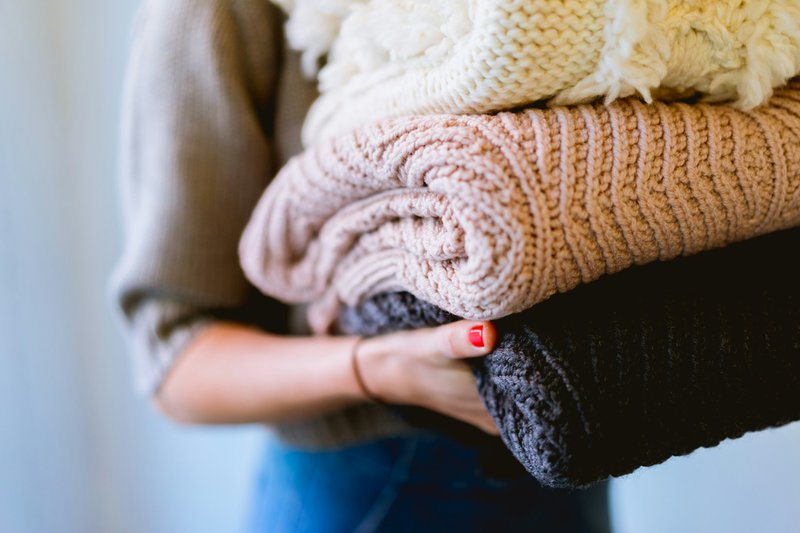
Handmade crochet and knitwear pieces are more than just clothing or accessories. They carry the time, care, and creativity of the person who made them. From cosy scarves and blankets to delicate lace shawls and decorative pieces, these items deserve a little extra love to stay looking their best for years. Whether you are a new crocheter or knitter, or someone who has received a handmade gift, this guide will give you practical, friendly tips for washing, storing, and maintaining your fibre treasures.
Understanding Your Yarn
Before we dive into washing and storage tips, it is important to understand what makes your crochet and knitwear special. The type of yarn used can affect how it behaves over time and how you should care for it.
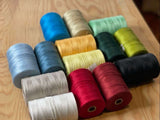
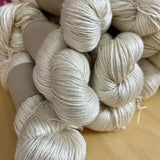
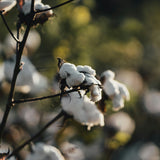
Natural fibres such as wool, cotton, alpaca, silk, and cashmere are beautiful and breathable. Wool and alpaca are particularly warm and elastic, which makes them great for garments. Cotton is durable and ideal for kitchen textiles or summer garments. Silk and cashmere provide a luxurious feel and elegant drape but require gentle handling.
Synthetic fibres like acrylic, polyester, and nylon are generally easier to care for. They are often machine-washable and resistant to shrinkage, though they may not have the same softness or breathability as natural fibres.
Many yarns are blends, combining natural and synthetic fibres to balance softness, durability, and ease of care. Always check the label or ask the maker if you are unsure about the fibre content. Knowing what your item is made of will help you wash, dry, and store it correctly.
Washing Your Crochet and Knitwear

Washing is one of the most important parts of caring for handmade items. Using the wrong method can lead to felting, stretching, or colour loss.
Hand Washing
Hand washing is often the safest option, especially for delicate fibres or items with intricate stitches. Here is a step-by-step guide:
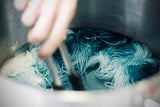
- Fill a basin with cool or lukewarm water. Hot water combined with agitation can cause felting or shrinkage in wool and other natural fibres..
- Add a gentle fibre wash. Products designed for delicate fibres, such as Unicorn Clean Fibre Wash, are ideal. They clean without harsh chemicals and help preserve colour.
- Submerge your item and gently swish. Avoid rubbing or twisting, which can distort the stitches. Let it soak for 5 to 10 minutes.
- Rinse thoroughly. Use cool water until all soap is removed.
- Press out excess water gently. Do not wring. Instead, press the water out against the side of the basin or roll the item in a clean towel to absorb moisture.
Hand washing gives you control and is especially useful for special or heirloom-quality items.
Machine Washing
Some modern yarns, particularly acrylic or superwash-treated wool, are labelled machine washable. Even so, it is best to use the gentlest settings:
- Use a mesh laundry bag to protect your item.
- Select the delicate or wool cycle on your washing machine.
- Use cold water to prevent shrinking or colour bleeding.
- Avoid harsh detergents and opt for a gentle fibre wash instead.
Drying
Drying is just as important as washing. How you dry your crochet or knitwear affects its shape, softness, and lifespan.
- Avoid hanging garments. Hanging can stretch out necklines, sleeves, and edges.
- Use towel drying. Lay your item flat on a clean, dry towel and roll it gently to remove excess water. You may need to repeat with a second dry towel if it is very wet.
- Shape and lay flat to dry. Reshape the item to its original dimensions and lay it on a flat surface. Air drying is best, preferably in a well-ventilated area away from direct sunlight, which can fade colours.
- Avoid tumble drying. Even with yarns labelled tumble-dry safe, heat and agitation can weaken fibres over time and may cause distortion.
Storing Your Crochet and Knitwear
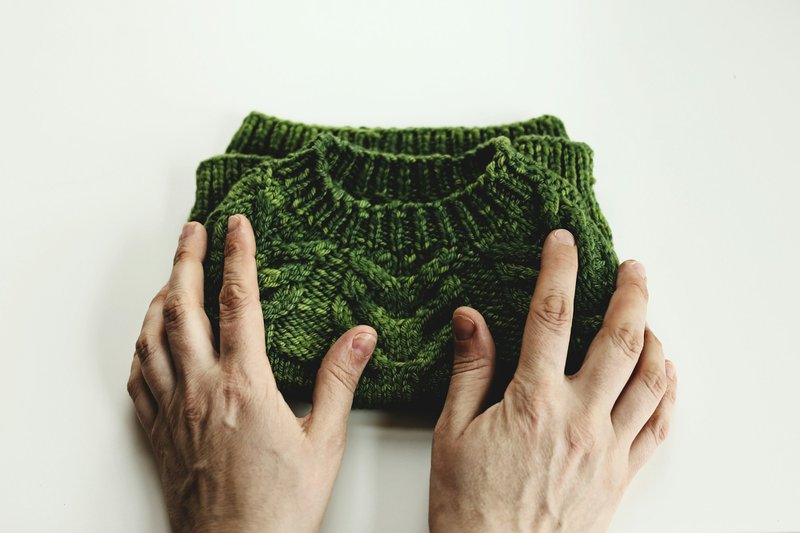
Proper storage ensures your handmade items stay soft, clean, and undamaged.
Folding vs Hanging
Folded storage is ideal for most crochet and knitwear. Folding reduces the risk of stretching and is suitable for sweaters, scarves, blankets, and shawls. Hanging is only suitable for very sturdy items. Use padded hangers if needed, and avoid hanging delicate fibres like wool or alpaca.
Protecting from Pests
Moths and other insects are attracted to natural fibres, particularly wool. To prevent damage:
- Store items in sealed boxes or breathable cotton bags.
- Consider using natural deterrents such as lavender, cedar, or eucalyptus sachets.
- Check stored items periodically for signs of insect activity.
Avoiding Sunlight and Heat
Direct sunlight can fade colours, while excessive heat can weaken fibres. Store your items in cool, dark spaces such as drawers, closets, or under-bed boxes.
Keeping Your Items Fresh
Even when not worn, crochet and knitwear can benefit from occasional airing. Take out blankets, shawls, or sweaters once in a while, shake them gently, and let them breathe in fresh air. This keeps fibres from becoming stale or musty.
Handling Your Crochet and Knitwear Daily
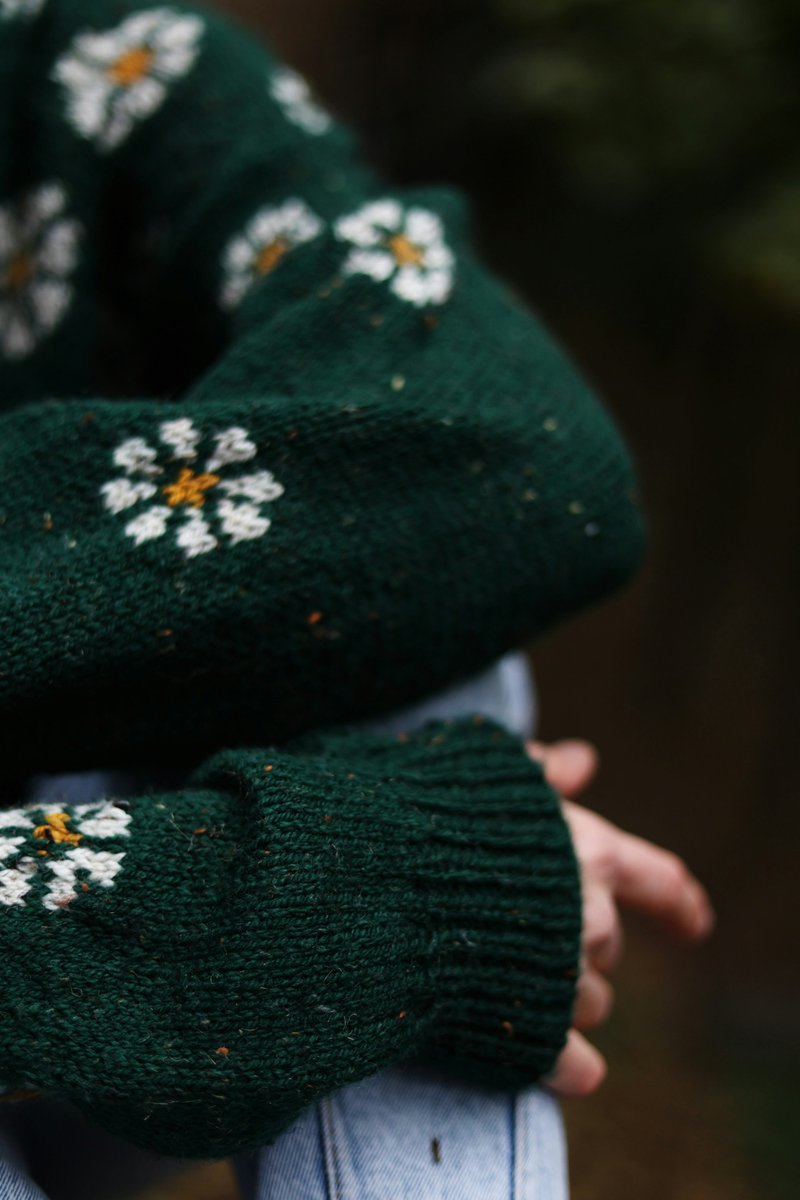
Caring for your items is not just about washing and storage. How you handle them day to day can make a big difference.
- Avoid snagging. Be mindful of jewellery, nails, or rough surfaces that can catch loops and pull threads.
- Rotate usage. If you have several handmade sweaters or scarves, rotate them to prevent excessive wear on a single item.
- Spot clean when possible. Small stains can often be treated with gentle handwashing in the affected area rather than washing the entire item.
Repairing and Maintaining Your Pieces
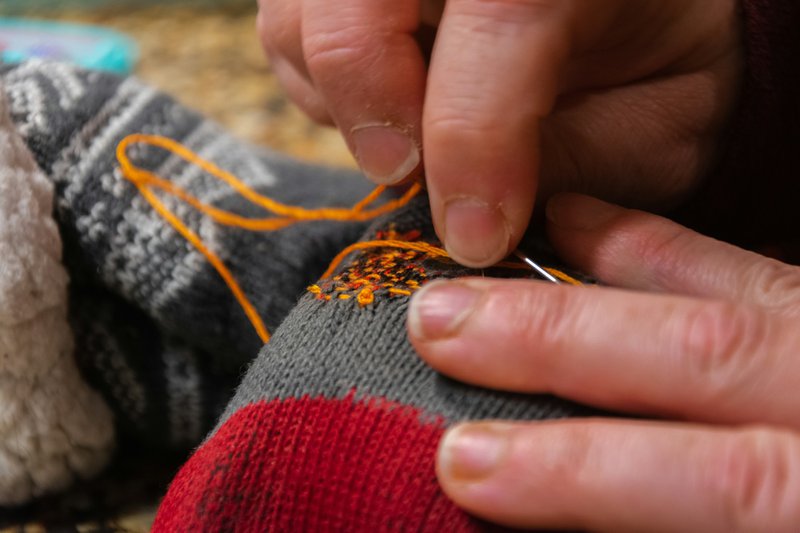
Even with careful use, handmade items can develop minor issues over time. Small repairs can extend the life of your crochet and knitwear.
- Fix snags carefully. Pull the yarn gently through to the wrong side of the fabric and secure it with a tapestry needle.
- Reweave loose ends. If stitches come undone or tails unravel, tuck them back into the fabric using a tapestry needle.
- Patch holes or worn areas. For larger holes, consider adding a decorative patch or darning the area with matching yarn.
Learning basic repair techniques can be empowering and allow you to enjoy your handmade items longer.
Special Considerations for Gifts
Many people receive handmade items as gifts without being familiar with fibre care. If you have given or received a crocheted or knitted gift, a little guidance can go a long way.
- Include care instructions with your gift. A simple note specifying hand wash or gentle machine wash, drying flat, and storage tips can help the recipient properly care for the item.
- Share your fibre knowledge. Explaining what makes a particular yarn special can foster appreciation for the time and skill that went into the piece.
- Encourage pride in use. Handmade items are meant to be enjoyed, not tucked away. With the right care, they will bring comfort and beauty for years.
Seasonal Care Tips
Crochet and knitwear can behave differently depending on the season and climate.
- Winter: Heavy sweaters, scarves, and blankets may be used daily. Regular airing and occasional washing are essential to maintain freshness.
- Summer: Lighter cotton and linen pieces can be stored folded in drawers with lavender sachets to prevent mustiness.
- Humid climates: Keep items in breathable storage to prevent mildew. Avoid plastic bags that trap moisture, and ensure items are completely dry before storage
- Dry climates: Natural fibres can become brittle without adequate moisture in the environment. Storing items in a room with a humidifier or a bowl of water placed nearby (not touching your items) can help maintain a suitable humidity level.
Choosing the Right Detergents and Products

Using the right products is crucial to maintaining the softness and colour of your handmade items.
- Fibre-specific washes like Unicorn Clean are designed for wool, alpaca, and other delicate fibres. They are gentle, maintain elasticity, and help keep colours vibrant.
- Avoid harsh chemicals like bleach or standard laundry detergents, which can damage fibres and strip natural lanolin from wool.
- Fabric softeners are generally unnecessary for natural fibres. Wool and alpaca retain their softness on their own, and some softeners can coat fibres, reducing their breathability and natural properties. If your garment requires conditioning, use a gentle product such as Unicorn Fibre Rinse.
The Joy of Handmade Care
Taking care of crochet and knitwear is not a chore. It is a way of honouring the effort, creativity, and love that went into creating the piece. When you hand-wash, gently reshape, and carefully store your items, you extend their life and preserve memories. Each item you care for is a tangible connection to craft, comfort, and creativity.
Whether you are wearing your favourite hand-knitted jumper, using a crocheted blanket on a chilly evening, or giving a handmade scarf as a gift, these care practices ensure that your crochet and knitwear remain soft, vibrant, and ready to be enjoyed.
With a little attention, your handmade items can last a lifetime, becoming cherished keepsakes that remind you of creativity, warmth, and the joy of making.
Share this article on your favorite platform:
Table of Contents
- Understanding Your Yarn
- Washing Your Crochet and Knitwear
- Storing Your Crochet and Knitwear
- Handling Your Crochet and Knitwear Daily
- Repairing and Maintaining Your Pieces
- Special Considerations for Gifts
- Seasonal Care Tips
- Choosing the Right Detergents and Products
- The Joy of Handmade Care

3 comments
Great reading. Lots of tips to keep our precious woolens in great condition. Thanks, Jackie.
very good for those new to garment and fibre care well done
Such a comprehensive article on the care and storage of woollen items. The suggestion about providing such information when gifting a handmade woollen item was particularly useful. Thank you.