




What’s the Difference Between Fibre, Roving, Sliver, Top, and Yarn?
If you're just starting out on your spinning or fibre craft journey, you've likely come across words like fibre, roving, sliver, top, and yarn. It's easy to wonder if they all mean the same thing. People often use these terms interchangeably, which can make things confusing.
Each term describes a different step in turning raw fleece into yarn. Once you see how they fit together, the process makes a lot more sense.
Fibre: The Starting Point
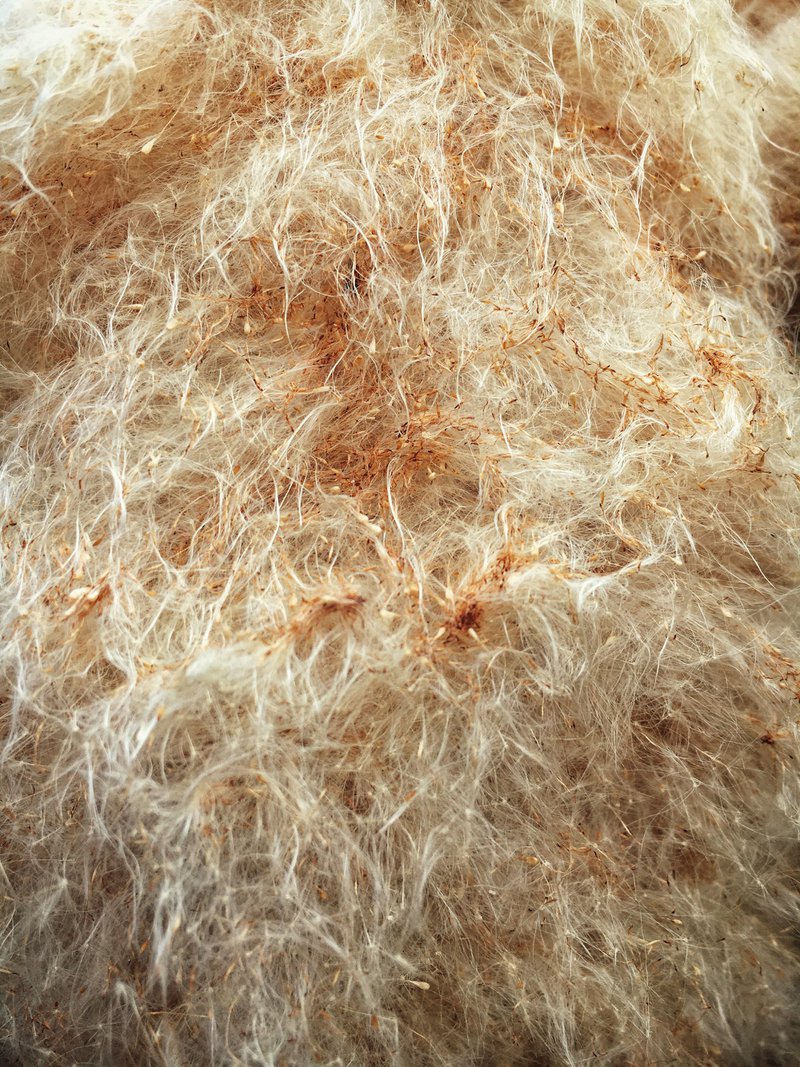
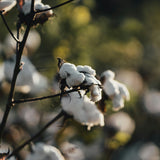
Fibre is the broadest term of all. It simply refers to the raw material that can be spun into yarn.
Fibre can come from many sources:
- Animal fibres such as wool, alpaca, mohair, cashmere, silk
- Plant fibres such as cotton, linen, hemp, bamboo
- Synthetic fibres such as nylon or acrylic
If you imagine the journey from sheep to sweater, fibre is the very beginning of that journey.
In its rawest form, fibre may still contain:
- Dirt or vegetable matter
- Natural oils such as lanolin
- Locks that have not been opened or aligned
Before you can spin fibre, it usually needs some preparation. This can include washing, picking, carding, or combing. How the fibre is prepared determines whether it becomes roving, sliver, or top.
So, fibre is the broad term. Everything else we’ll talk about is a more specific type of prepared fibre.
Sliver: Carded and Loosely Gathered Fibre
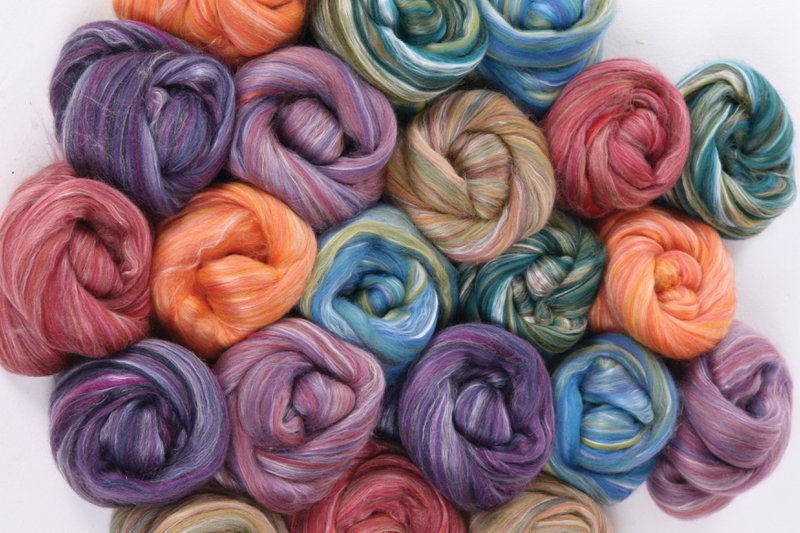
Sliver is fibre that has been carded and formed into a long, continuous rope, but without any twist.
Carding is the process of brushing fibres so that they open up and begin to separate. Sliver comes directly from a carding machine. At this stage, the fibres are loosely gathered but still somewhat randomly oriented rather than fully aligned. This is what makes sliver different from roving and top.
Here are some key characteristics of sliver:
- Fibres are loosely gathered but not well aligned
- It is airy and lofty
- It contains no twist
- It is thinner than roving
Because the fibres are less organised, sliver is not always produced specifically for hand spinners. It's more commonly an intermediate stage in commercial fibre processing. That said, many hand spinners do work with it, and yarn spun from sliver tends to be:
- Loftier
- Softer
- Slightly fuzzier
- Well-suited to woollen-style yarns
If you enjoy making cosy, warm yarns for clothes or accessories, sliver can be a great choice once you get a feel for how it drafts.
Roving: Similar to Sliver, Slightly More Refined
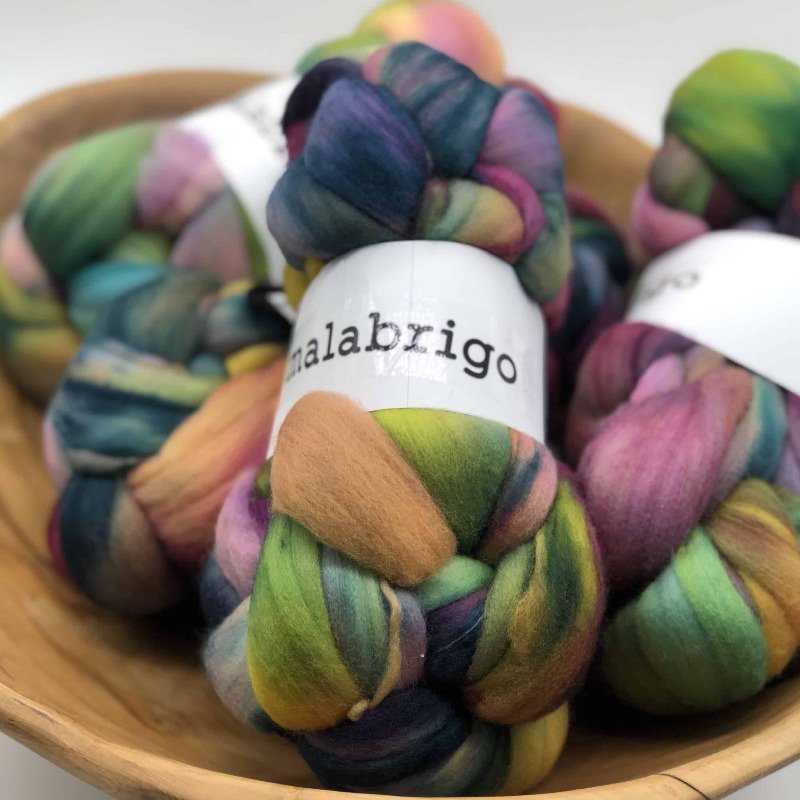
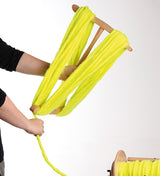
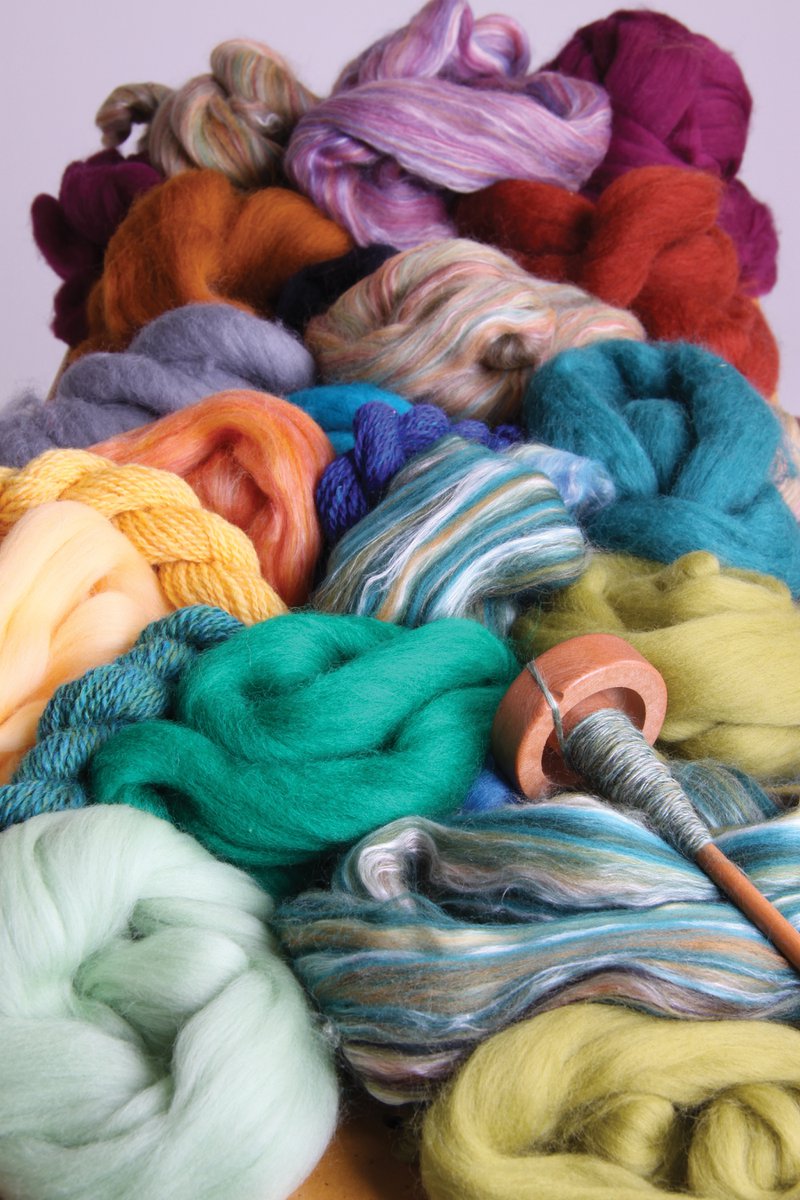
Roving is similar to sliver in that it is a carded preparation, but it has been drawn out further and may have a very slight twist to hold it together. In a mill, sliver is often passed through a gill box after carding, which helps align the fibres and drafts them into the thicker, more consistent rope we call roving. You can also produce your own roving at home by using a blending board or drum carder and drawing the carded fibre through a diz as you remove it from your chosen tool.
Roving:
- Is thicker than sliver
- Has more fibre alignment than sliver, though less than top
- Has little to no twist
- Drafts easily when pulled
- Often comes in braids or bumps
Among hand spinners, roving is one of the most common fibre preparations. It's great for beginners because:
- The fibres are already reasonably organised
- It drafts smoothly
- It is easy to control on a spinning wheel or drop spindle
When spun, roving usually produces woollen or semi-woollen yarns, depending on your drafting method.
If you're new to spinning, roving is a comfortable place to start. It's forgiving and flexible as you learn to draft.
Top: Combed and Highly Aligned Fibre

Top refers to fibre that has been combed rather than carded.
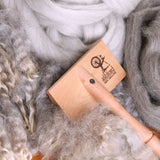
Combing is a more precise way to prepare fibre. It removes the shorter fibres and lines up the longer ones so they are all parallel. This step also removes vegetable matter and other debris more thoroughly than carding alone. You can create your own top by using specialty combs such as Louet Mini Combs.
This creates a very smooth preparation with these features:
- Fibres are highly aligned and parallel
- Short fibres have been removed
- It feels sleek and silky
- It drafts in a very controlled way
Because the fibres are lined up, top is perfect for worsted spinning. This method makes yarn that is:
- Smooth
- Strong
- Clear in stitch definition
- Less fuzzy
If you want to knit projects where stitch definition is important, like cables or lace, yarn spun from top will give you crisp results.
Top is also popular for hand dyeing because the smooth alignment shows colour transitions beautifully.
For beginners, top can feel a little different from roving. It takes a bit more care when drafting, but many new spinners enjoy the smooth, clean feel once they get the hang of it.
Yarn: Twisted Fibre Ready to Use

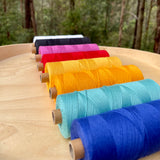
Yarn is the result of adding twist to fibre so that it holds together as a continuous strand.
When you spin fibre, you add twist. This twist makes the fibres grip each other and gives the yarn its strength. Without twist, the fibre would simply pull apart.
Yarn can be:
- Single ply, made from one twisted strand
- Plied, made by twisting two or more singles together
- Thick or thin
- Smooth or textured
- Woollen or worsted in structure
Once you've spun and finished your yarn, it's ready for knitting, crochet, weaving, or any other textile craft.
So in the simplest terms:
- Fibre is the raw material.
- Sliver, roving, and top are different preparations of fibre.
- Yarn is fibre that has been twisted into a usable strand.
Comparing Them Side by Side
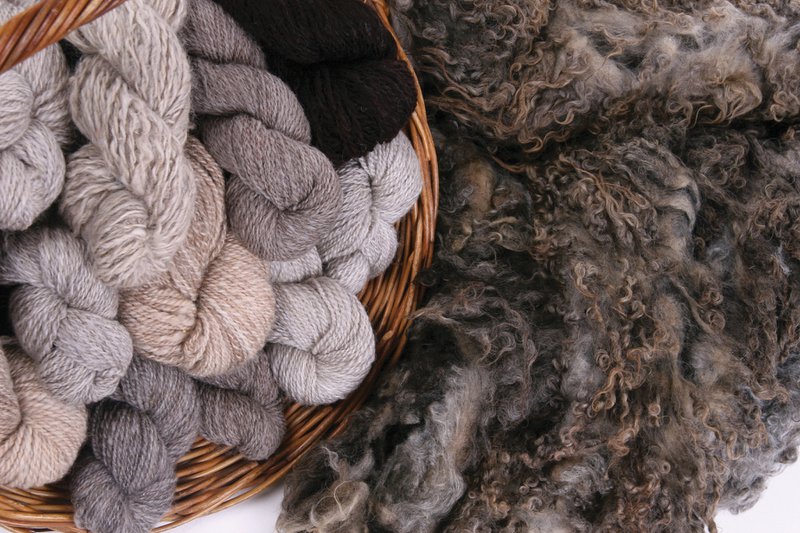
Here’s a simple comparison to help you see the differences more clearly.
| Material | Description | Fibre Alignment | Twist | Texture & Structure | Common Use |
|---|---|---|---|---|---|
| Fibre | Raw material | Not necessarily aligned | None | Can be messy, unprocessed, or in natural state | Starting point for all spinning |
| Sliver | Carded fibre | Randomly oriented, loosely aligned | None | Lofty, airy, soft, thinner than roving | Woollen-style spinning, blending |
| Roving | Carded and drawn out further than sliver | More aligned than sliver, less than top | Minimal or none | Soft, slightly more organised, easy to draft | Beginner spinning, felting, general hand spinning |
| Top | Combed fibre | Highly aligned and parallel | None | Smooth, sleek, dense | Worsted spinning, felting |
| Yarn | Twisted fibre | Fully organised through spinning and/or plying multiple strands of yarn together. | Yes | Strong, continuous, structured | Knitting, crochet, weaving |
Why Preparation Matters in Spinning
You might wonder why there are so many steps. Why not just spin raw fibre right from the fleece?
You can spin straight from washed locks, and many spinners do. But preparing the fibre changes how it behaves in important ways.
Preparation affects:
- Drafting ease
- Yarn structure
- Warmth and loft
- Strength and durability
- Surface appearance
Carded fibre, like sliver and roving, holds more air, making yarns that are warmer and fluffier. Combed fibre like top makes denser, smoother yarns that resist pilling and show off stitch details.
Knowing this helps you make better choices. Instead of being confused by product names, you can pick the fibre preparation that fits your project.
New to spinning? Start here
If all of this feels like a lot, that's completely normal. Every fibre artist starts somewhere, and the terms get easier once you handle the materials.
But here's the good news. You don't need to memorise everything before you begin. You just need to start.
If you are brand new to spinning:
- Try a soft wool roving
- Practise drafting slowly
- Focus on consistency rather than perfection
If you are curious about smoother yarns:
- Experiment with top
- Compare how it drafts differently from roving
- Notice how the finished yarn behaves
Learning fibre terms is much easier when you try things out. Once you feel the difference between carded and combed fibre, the meanings will make sense naturally.
Common Questions Beginners Ask
FAQ: Is roving the same as yarn?
Answer: No. Roving has little to no twist and will pull apart easily. Yarn has enough twist to hold together firmly.
FAQ: Is top better than roving?
Answer: Not better, just different. Top is smoother and more aligned. Roving is loftier and more forgiving.
FAQ: Can I knit directly with roving?
Answer: Technically, you can knit with unspun roving, but it is fragile and not very durable. It is usually meant to be spun first. You can make a bulky yarn using a wheel such as the Ashford Jumbo E-spinner. Even a little twist, and/or a light fulling, adds real structural integrity to the finished yarn.
FAQ: Why does some fibre look like a flat sheet?
Answer: That is often called a batt. Batts are carded fibre that has been pulled from a drum carder in sheet form rather than drawn into roving. They can be rolled into rolags for spinning woollen yarns.
FAQ: Why is so much product labelled as roving when it's actually top?
This is genuinely common in the fibre world. Many suppliers use 'roving' as a catch-all term for any unspun fibre preparation. If you are looking for true carded roving rather than combed top, it's worth reading the product description carefully or contacting the supplier.
The full process, start to finish
It can help to picture the entire process in order:
- Sheep grow fleece
- Fleece is shorn and washed
- Fibre is carded or combed
- Carded fibre becomes sliver, then roving
- Combed fibre becomes top
- Fibre is drafted and twisted
- Yarn is formed
- Yarn is knitted, crocheted, or woven into fabric
Each stage builds on the one before it. When you see how the steps fit together, product descriptions start to make sense instead of feeling mysterious.
Know a Beginner? Send Them This Guide!
Fibre crafts come with a lot of terminology, and it's okay if it takes a while to sink in.
Here's the short version: fibre is the raw material. Sliver and roving are carded preparations — sliver being the thinner, less aligned of the two, roving drawn out a little further. Top is combed, with all the fibres running parallel. And yarn is what you get once twist is added.
That's really all there is to it.
The rest comes with practice. Once you've handled roving and top side by side, you'll feel the difference straight away. Once you've spun a few metres of each, you'll start to understand why preparation matters. And once you're choosing fibre for a specific project, these terms will become part of how you think.
Start with something soft. Spin slowly. Don't worry about getting it perfect.
That's where it all begins.
Share this article on your favorite platform:
Table of Contents
- Fibre: The Starting Point
- Sliver: Carded and Loosely Gathered Fibre
- Roving: Similar to Sliver, Slightly More Refined
- Top: Combed and Highly Aligned Fibre
- Yarn: Twisted Fibre Ready to Use
- Comparing Them Side by Side
- Why Preparation Matters in Spinning
- Common Questions Beginners Ask
