













From Scraps to Skeins: How to Make Yarn from Leftover Fibres
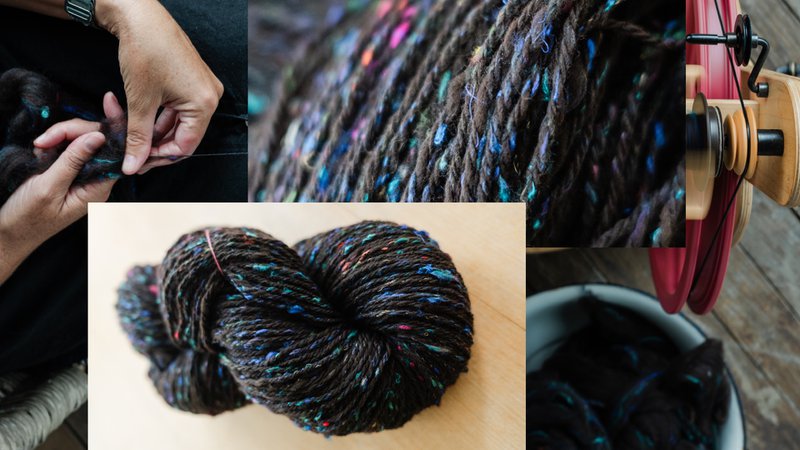
Leftover bits from blending boards, yarn offcuts, short fleece pieces, or colourful snippets of cloth all have potential. With the right preparation, you can spin them into something genuinely special.
Scrap fibre spinning isn't just about saving money or reducing waste. It's about creative freedom. Blending boldly, playing with texture, and letting the materials lead the way.
Whether you want wild art yarn or a subtle heathered sweater yarn, this guide will show you how to prepare, blend, and spin your scraps with confidence.
Understanding Your Scrap Fibre
Before you start carding or spinning, take a close look at what you're working with. Scrap fibre, yarn ends, and fabric offcuts all behave differently, and knowing what you have will make everything go more smoothly.
Types of Scrap Fibre Suitable for Spinning
Almost any fibre scrap can be spun, provided the length is workable. Common options include:
- Wool fibre leftovers (Merino, Corriedale, Polwarth, and crossbreeds) — the easiest to work with
- Alpaca and mohair scraps from blending boards or projects
- Silk waste and sari silk — adds beautiful lustre
- Plant fibre offcuts such as cotton, flax, or hemp — shorter and less forgiving, but possible
- Scrap yarn — including leftover yarn ends from knitting, weaving and crochet projects
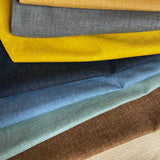
- Fabric offcuts that can be teased apart or cut into strips and spun in at the wheel
Wool and wool-blend scraps are the easiest to incorporate, especially when you're blending short pieces. Plant-based scraps tend to be shorter and less stretchy, so they work best when blended into a longer wool base.
If you have scrap yarn or fabric offcuts you'd like to repurpose, cut them into short lengths — around 5 cm works well — and card them in with your base fibre. For more thorough integration, you can process scraps back into loose fibre before spinning — a method often called garneting. Garneting is a mechanical process that tears yarn or fabric back into a fibrous state.
Assessing Fibre Quality and Length
Staple length is one of the most important factors in whether your scrap fibre will spin well. To check it, gently pull a small section straight and measure it unstretched.
Wool staple lengths of roughly 7–12 cm (3–5 inches) are the easiest to spin. Fibres shorter than about 5 cm become more challenging because they require more twist to hold together and can draft unevenly.
Blending short scrap fibres with a longer base fibre makes a significant difference. The longer fibres act as a structural framework, wrapping around and carrying shorter pieces smoothly through the drafting zone.
Also check:
- Strength — does it break easily when pulled gently?
- Cleanliness — is it free of excessive debris?
- Texture — silky, coarse, crimpy, slippery?
Shorter fibres generally suit woollen-style spinning, while longer fibres are better suited to combing into a worsted preparation.
Sorting Scraps by Type, Colour and Texture
Before blending, sort your scraps into small piles. You might separate by fibre type, colour family, staple length, and texture or fineness. Sorting gives you more control. You can plan smooth blends or go for high-contrast yarn on purpose.
Keep in mind that blending fibres from all the way around the colour wheel can result in a muddy grey-brown yarn when spun. Sticking to analogous colours (shades that sit close together on the colour wheel for the base) usually gives more pleasing results. You can use your shorter yarn or fabric scraps for pops of contrast.
When to Blend vs Keep Fibres Separate
Blending works well when:
- Your scrap fibres are too short to spin on their own
- You want a heathered effect from mixed yarn scraps
- You need to stabilise slippery fibres like sari silk offcuts
Keeping fibres separate is better when:
- You want barber pole effects by plying contrasting singles
- You want visible texture inclusions — locking locks or yarn ends added at the wheel
- You're after a more structured, striped result
Choosing a Base Fibre
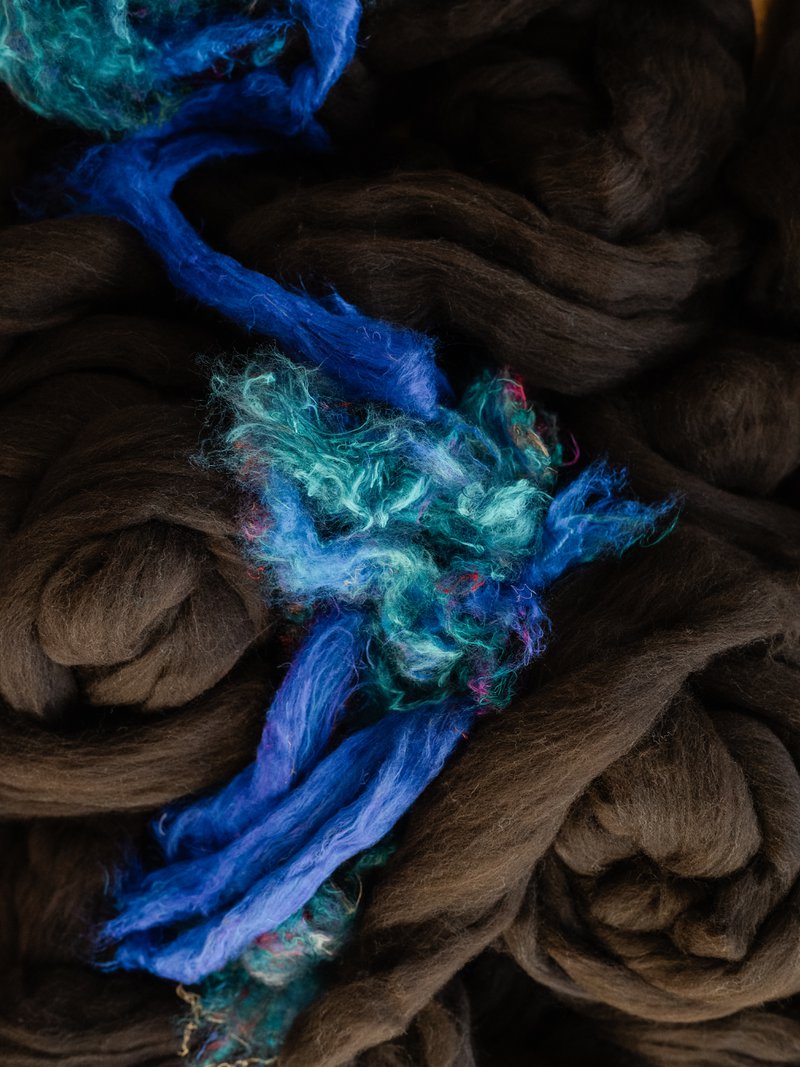
If your scraps are very short or highly textured, or don’t include enough fibre that could be used as a base, blending them into a longer, reliable base fibre makes spinning much easier. Think of the base fibre as your canvas, and the scraps as your paint.
Medium wools such as Corriedale are generally the most forgiving when spinning scrap blends. Fine fibres like Merino can produce beautiful results, but their smooth scales and softness can make them slightly slippery, particularly when blended with silky or very short inclusions. If you're working with highly textured or short scraps, a sturdy medium wool base will make drafting noticeably easier.
Essential Tools for Fibre Preparation

The best tool depends on how many scraps you have and what kind of yarn you want to make.
1. Hand Cards and Blending Boards: Best for Small Batches
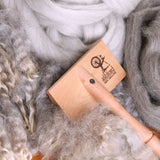
Hand cards and blending boards both align and blend fibres using fine wire teeth or carding cloth. They're great when you have small handfuls of scrap fibre, you want control over colour placement, you wish to garnet yarn scraps and/or you enjoy a tactile, hands-on process.
Cards come in different cloth densities; finer cloth works best for fine fibres like Merino, while coarser cloth is better suited to textured inclusions along with medium or coarse wools. Blending boards work on the same principle but let you build up layers flat, which suits more deliberate colour work and textured inclusions.
2. Combs: Ideal for Longer Fibres and Worsted Preparations
Combs help you make aligned top, which is ideal for worsted spinning. Mini combs (like Louet mini combs) are excellent for preparing small batches of longer fibre scraps.
Choose combing over carding when:
- Your scrap fibres are long enough to align well
- You want smooth, dense yarn
- You want to remove vegetable matter and noils (short fibre bits) from the mix
Combing does remove the shortest fibre from your blend, which is sometimes exactly what you want when working with mixed-length scraps.
3. Drum Carders: Perfect for Larger Quantities and Blending
If you've collected a big basket of mixed yarn scraps and fibre offcuts, a drum carder can save you a lot of time.
For blending mixed scraps and making art batts, a coarser cloth (lower teeth per inch (TPI)) is usually more forgiving, especially when you're mixing different textures and fibre types. If you prefer smoother batts with finer fibres, a higher TPI cloth gives better results. You can always add mix-ins like locks or yarn ends directly at the wheel later.
Drum carders are a significant investment. If you spin often and love blending, they're worth it. If not, hand cards or a blending board might be plenty.
4. Additional Helpful Tools
- A diz: a small tool with a hole used to pull fibre into smooth top.
- Flick cards for opening tips before combing.
Always secure your tools properly before use, and keep fingers clear of comb tines and drum carder teeth. They are sharper than they look. Slow, steady movements are both safer and produce better fibre preparation.
Preparing Your Fibre
Before you begin:
- Cut scrap yarns and long fibre pieces to a similar length
- Arrange colours intentionally if you want gradients or marled effects
- Pull apart compacted scraps completely before carding or combing
- Remove obvious debris or weak fibres
Taking a few extra minutes here will noticeably improve your drafting later.
1. Hand Carding and Blending Boards
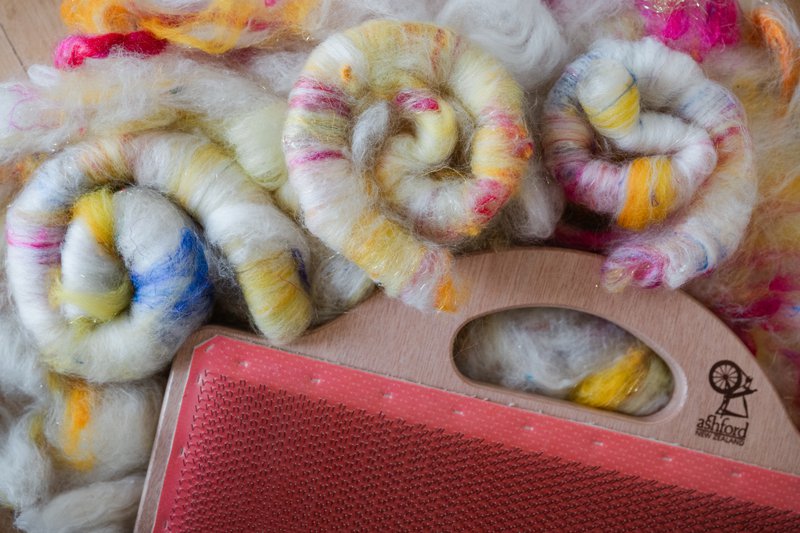
Both hand cards and blending boards are great options when you have small amounts of scrap fibre to work with. They give you hands-on control over colour placement and blending, and both produce rolags suited to woollen-style spinning. Which one you reach for is mostly a matter of preference and what you have available.
Hand cards work by transferring fibre back and forth between two paddles covered in carding cloth. Load a small amount of fibre onto one card. Don’t overload it. Brush lightly with the second card using smooth, controlled strokes, transferring fibre back and forth until evenly blended. Keep the fibres fluffy rather than compacted. After blending, you can simply remove the fibre from the card or roll the fibre off the card around a dowel to make a rolag.
Blending boards work a little differently. You build up layers directly onto a stationary board rather than transferring between two cards. Start with a thin base layer of longer fibre across the bristles to help anchor everything, then add your scrap fibres, yarn snippets, and inclusions in thin layers on top, working across the board evenly. Thin layers give you much better blending and a more consistent result than loading everything on at once. Once you're happy with the layers, roll the fibre off using a dowel: place it at one edge, press lightly, and roll away from you in a smooth, even motion. If the result isn't quite what you wanted, pull the rolag apart, re-lay it on the board, and blend again.
With both tools, work in small batches and keep your pressure light. Repeat the blending process if the colour or texture isn't as even as you'd like.
2. Combing

Choose combing for longer fibre scraps when you want a smooth, worsted yarn. Gently open the fibres before loading them onto the comb, and add any textured mix-ins sparingly so they have room to align.
Load the fibre onto the comb in your preferred order. This matters most if you're blending colours or fibre types. If you're working with pre-combed, well-processed fibre, you may be ready to diz off straight away. Otherwise, pass a second comb through gently and repeat until the fibres are well aligned. Use a diz to draw the fibres off into a smooth top. This preparation suits sleek, dense yarns.
3. Drum Carding
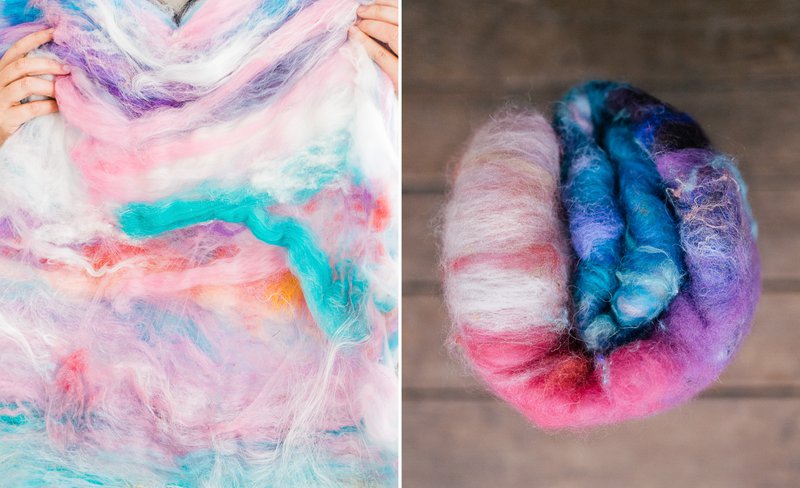
Clamp the drum carder securely to a table and ensure the drums move smoothly and are clean. Feed small amounts of fibre evenly across the drum, avoiding clumps. Layer scrap colours in thin amounts for subtle blending, or load colours in separate sections for bolder striping.
Add textured mix-ins - yarn snippets, locks, sari silk, directly to the drum - gently pressing them in place with a soft paintbrush to prevent them snagging on the drum's teeth. Alternatively, sandwich mix-ins between fine layers of base fibre before feeding them onto the drum.
When the drum is full, use a diz to draw the fibre off into roving, or use the doffing tool to lift the batt off in one piece. You can then split the batt into strips and gently pre-draft them into roving, which will make spinning much easier.
If you are concerned about damaging the teeth of your drum with mix ins remember they can always be added at the wheel as you spin.
Spinning Your Prepared Fibre
Choosing a Wheel and Flyer
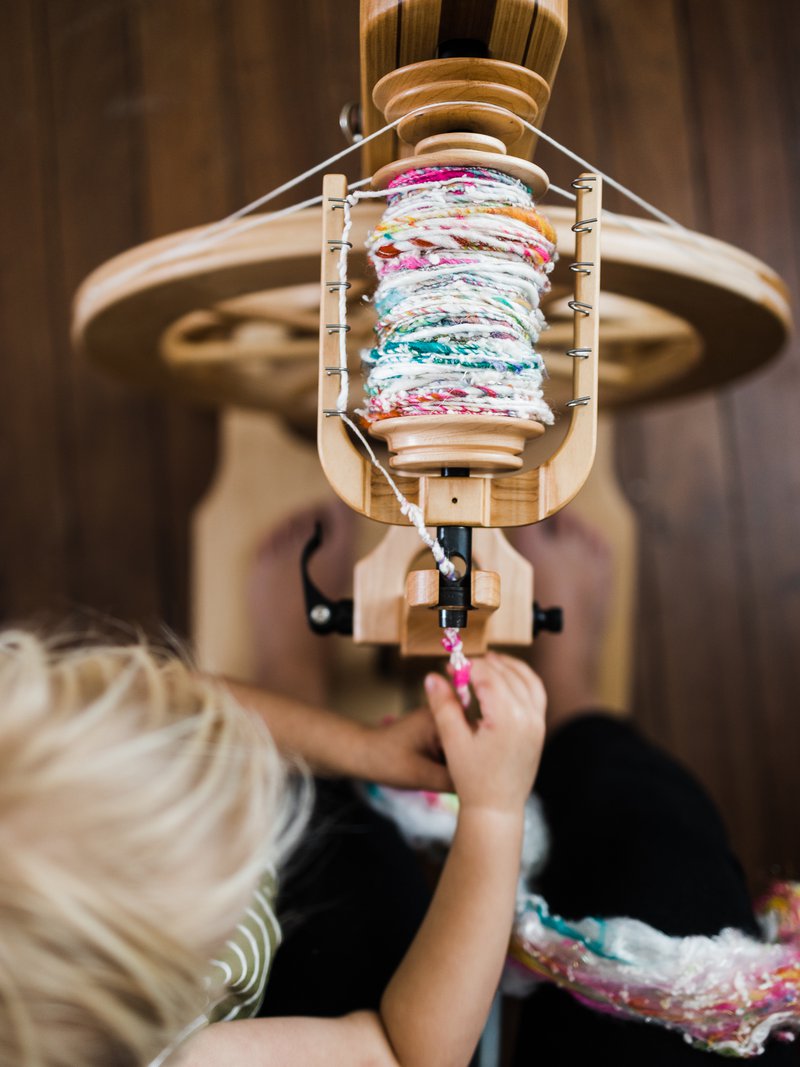
Many spinners prefer wheels with bigger orifice openings and larger bobbins for scrappy art yarn. This gives textured singles and chunky inclusions more room to pass through. That said, you can spin scrap yarn blends in traditional weights too, so almost any wheel can work depending on what you're going for. If you don’t have a wheel or your aspirations are bigger than the orifice on your wheel, you can use a drop spindle.
Adding Mix-ins Separately vs Pre-Blended
You can blend everything during preparation, or add texture elements while spinning. Adding scrap yarn snippets or locks at the wheel gives you more control over exactly where they land in the finished yarn. Pre-blending gives a more even, integrated look — both approaches are valid.
Adjusting Twist and Thickness
For art yarn, try playing with thick and thin sections intentionally. This is where all those varied scrap textures really shine. For more traditional yarn, focus on steady drafting and balanced twist.
Types of Yarn You Can Create
Scrap fibre spinning lends itself to:
- Art yarns with visible texture and colour variation
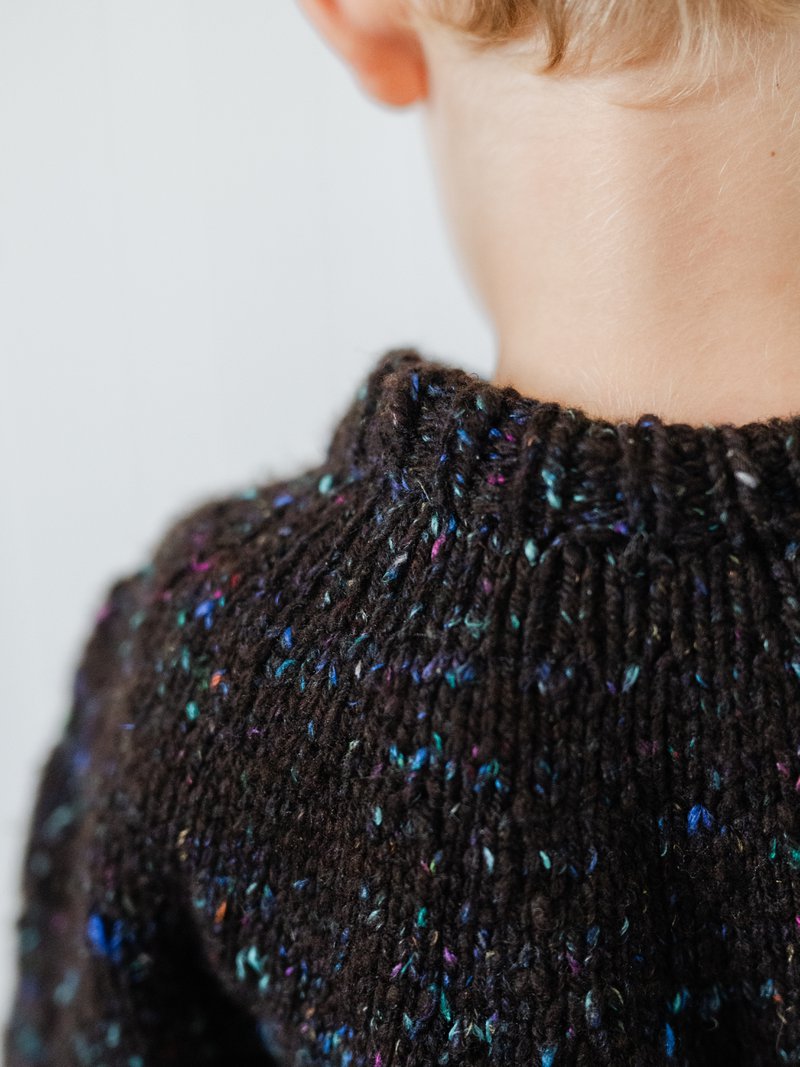
- Heathered sweater yarn with subtle tonal interest
- Textured boucle or slub yarn
- Marled two-ply yarn
Versatility is its greatest strength.
Troubleshooting Common Issues
Fibre Preparation Problems
- Neppy fibre is usually the result of heavy-handed or overly fast carding - Use lighter strokes, don't overload your cards, and work slowly.
- Uneven drafting often happens when fibre preparation isn't consistent - Try blending more thoroughly before you spin.
- If short scrap fibres keep breaking out, add more base fibre to give them something longer to hold onto.
Spinning Challenges
- Wiry yarn is likely overtwisted - Switch to a slower ratio, increase tension, slow down your treadling or draft more.
- Weak yarn needs more twist - Switch to a higher ration or reduce tension and increase treadling.
- Unintended thick and thin spots usually come down to drafting or fibre prep inconsistency.
Solutions and Practice Tips
- Adjust wheel tension gradually rather than making big changes.
- Keep notes on which scrap blends worked well - you'll want to repeat them.
Always Spin a Sample First
Sampling is especially important when working with scrap blends. Small test skeins help you:
- Check twist balance
- Evaluate colour blending
- Decide on plying structure
- See how the yarn behaves when knitted or woven
A small sample can reveal far more than theory alone. It’s much easier to adjust early than after spinning a full batch.
Finishing Your Handspun Yarn
Plying Options
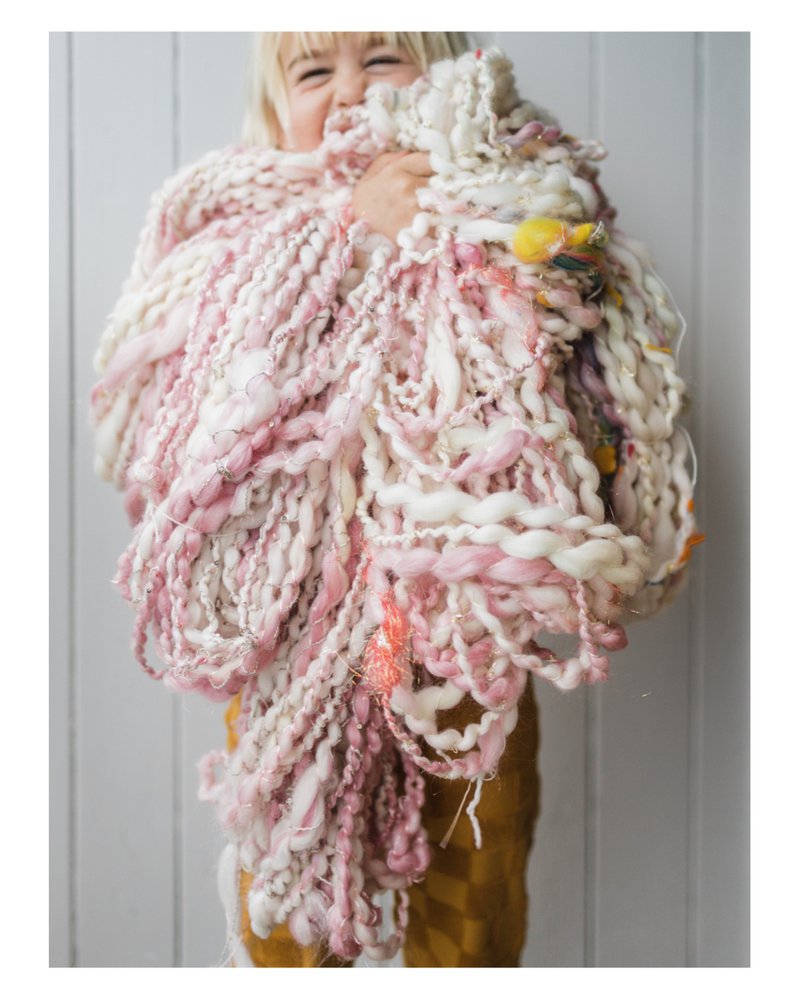
Two-ply balances the singles and adds strength, and is often the best starting point for scrap blends. Three-ply creates a rounder yarn but will level out some of the colour and texture variation, which might be what you want, or might not be. Chain plying (also called Navajo plying) is a good option if you want to preserve colour sequences from your scrap blend. For more artistic results, consider spiral or super coil plying.
Setting the Twist, Washing, Drying, and Calculating Yardage
Once you've finished spinning, the process of setting the twist, washing, drying, and calculating your yardage is the same as for any handspun yarn. We've covered all of that in detail — including soaking, steaming, shocking, thwacking, weighting, and how to measure your skein accurately — in our dedicated guide: Finishing Handspun Yarn: The Essential Techniques. It’s especially helpful if you're new to finishing or working with mixed-fibre blends.
Share Your Scrap Fibre Creations with the Thread Collective Australia Community
Scrap fibre spinning isn’t just about reducing waste. It’s one of the fastest ways to build confidence in blending, drafting, and yarn design. Every basket of leftovers is a creative opportunity.
Start small. Sample boldly. Adjust as you go. Let the fibre guide you.
We’d love to see what you make. Share your scrap fibre skeins and finished projects with the Thread Collective Australia community either on our Facebook group or by tagging us on socials. You might just inspire someone else to start digging through their leftover fibre pile.
Share this article on your favorite platform:
Table of Contents

1 comment
Fantastic love this idea. A video would be great for the kids to watch and do.