













The Maker's Toolkit: Essential Tools Every Crafter Needs
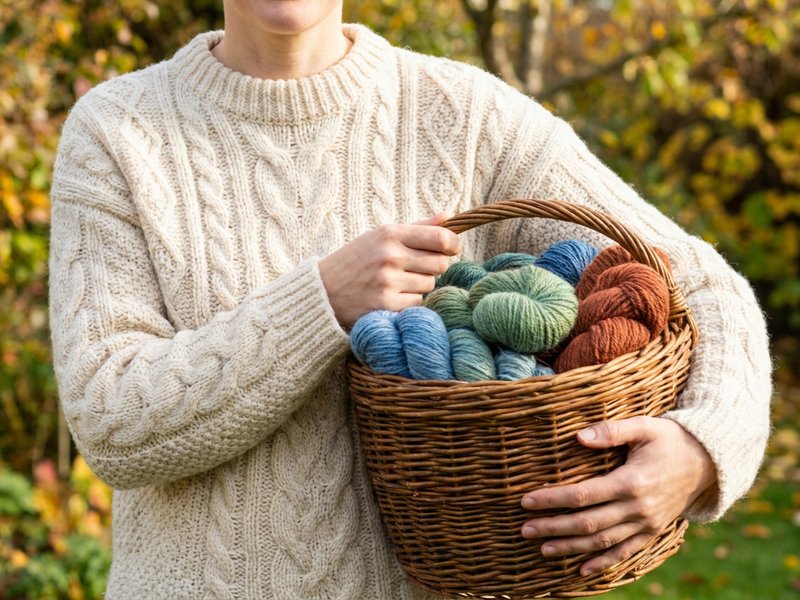
Creativity is at the heart of every craft, but having the right maker's toolkit nearby helps it grow. Indeed, a well-chosen set of tools does more than fill your workspace: it helps you work efficiently, get better results, and enjoy every step of the process.
Some believe that talent alone leads to success in fibre arts. However, the right tools often make a bigger difference than you might think. For one thing, good tools help you avoid frustration. They also help you work more accurately. Most importantly, they let you focus on building your skills, instead of wrestling with the wrong equipment.
The good news? You don't need to build your maker's toolkit all at once. In fact, most experienced fibre artists collect their favourite tools over time, adding new items as they try different techniques and find what fits their style. You can do the same, gradually putting together a toolkit that suits you.
With that in mind, this guide covers the essential items every fibre artist should think about owning. Specifically, we'll look at the main tools for weaving, spinning, knitting and crochet, plus the accessories that make crafting easier and more enjoyable.
Why Every Crafter Needs a Maker's Toolkit
Projects are easier when you know where your tools are. It also helps to know you can count on them to work well. Together, these two things are why an organised maker's toolkit saves time, protects your materials, and keeps your projects consistent.
Investing in quality tools, for instance, means you can count on them to last. It's tempting to go for the cheapest supplies, but reliable equipment pays off over time. As a result, you'll spend less replacing broken or worn-out tools, and you'll enjoy using them every day.
Another benefit is confidence. After all, learning something new is already challenging enough, so reliable tools remove extra obstacles and let you focus on improving your craft.
As your interests grow, moreover, your maker's toolkit can grow alongside you. You might begin, for example, with crochet hooks, then add knitting needles, before eventually exploring spinning wheels or weaving looms. In this way, every new tool opens another creative door.
Universal Tools Every Maker Should Own
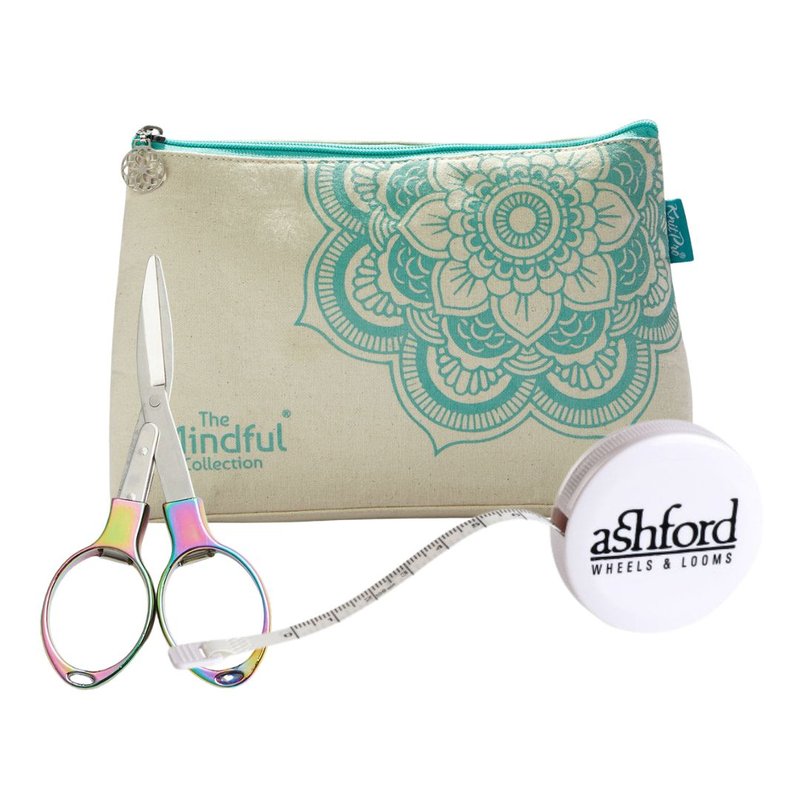
Before looking at individual crafts, every maker's toolkit benefits from a few shared essentials.
A good pair of sharp scissors is invaluable. Clean cuts help prevent fraying of yarns and fibres, and they make the finish much neater. A flexible tape measure is another must-have. Accurate measurements help garments fit properly, and they help woven projects reach their intended size.
Notebooks, pencils and project journals help track progress too. Recording modifications makes it much easier to recreate a successful project later. Storage containers also deserve attention. Clear bins, project bags and labelled organisers prevent yarn from tangling, and they keep accessories easy to find.
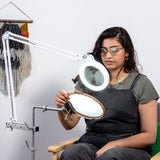
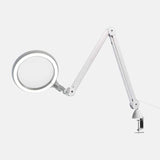
Finally, don't overlook proper lighting. Good lighting reduces eye strain, and it makes colour matching much easier.
The Maker's Toolkit for Weavers
Weaving combines creativity with precision. This makes the right equipment especially valuable. These four essentials form the foundation of a practical maker's toolkit for every weaver.
1. A Loom
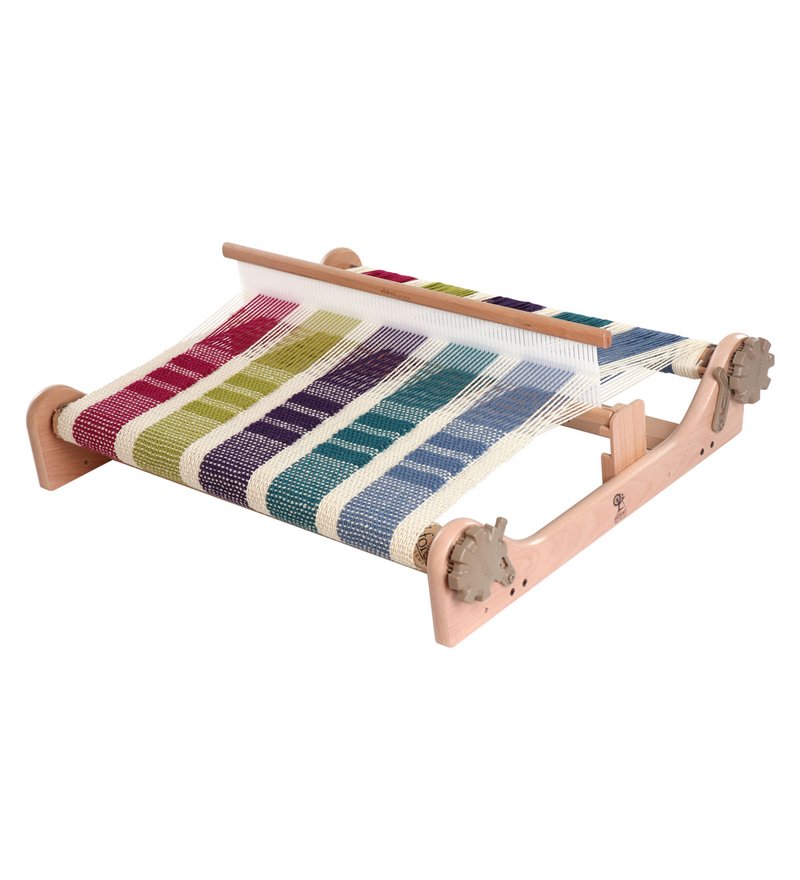
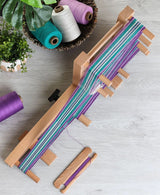
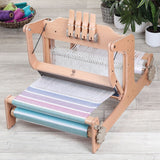
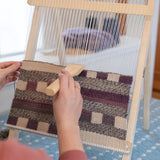
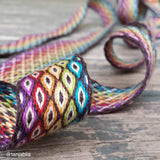
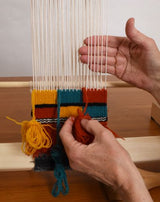
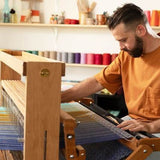
The loom naturally sits at the centre of any weaving setup. To start, rigid heddle looms are ideal for beginners because they're easy to learn and relatively portable. From there, table looms offer greater flexibility with multiple shafts. Meanwhile, floor looms suit more complex weaving projects. There are, of course, also inkle looms, pin looms, and tapestry looms for those seeking the ultimate in portability or for using up yarn left over from other projects.
Choosing the right loom depends on the types of textiles you hope to create. It isn't simply about buying the largest model available. Read our guide to "Getting Your First Loom: Choosing a Weaving Loom" for more help deciding.
2. Shuttles
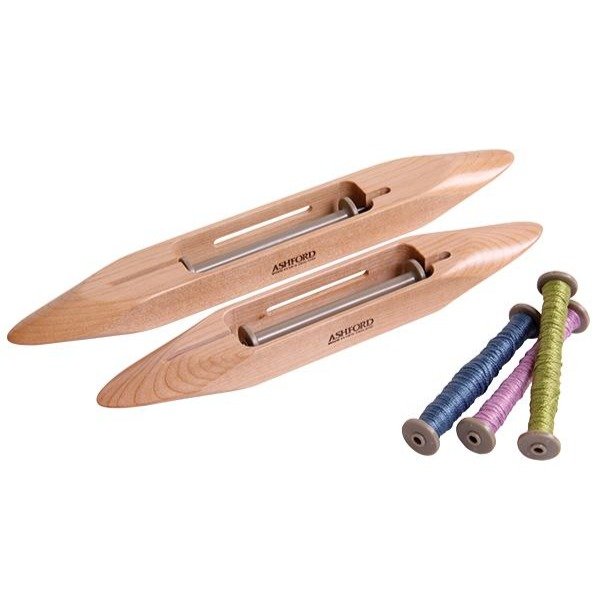
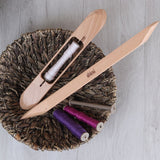
A shuttle carries the weft yarn through the warp. Boat shuttles and end feed shuttles, for example, work wonderfully for wider projects and allow continuous weaving with removable bobbins or pirns, while stick shuttles remain popular for smaller projects, tapestry work and beginner weaving.
Over time, many experienced weavers eventually collect several shuttle sizes for different yarn weights.
3. Warping Tools

Proper warping tools make loom preparation far more accurate. Warping boards or frames, warping pegs, and yarn winders help maintain even tension and measure warp threads accurately. Good preparation, in turn, often determines how smoothly the entire weaving project progresses.
4. Reed and Heddle Hook
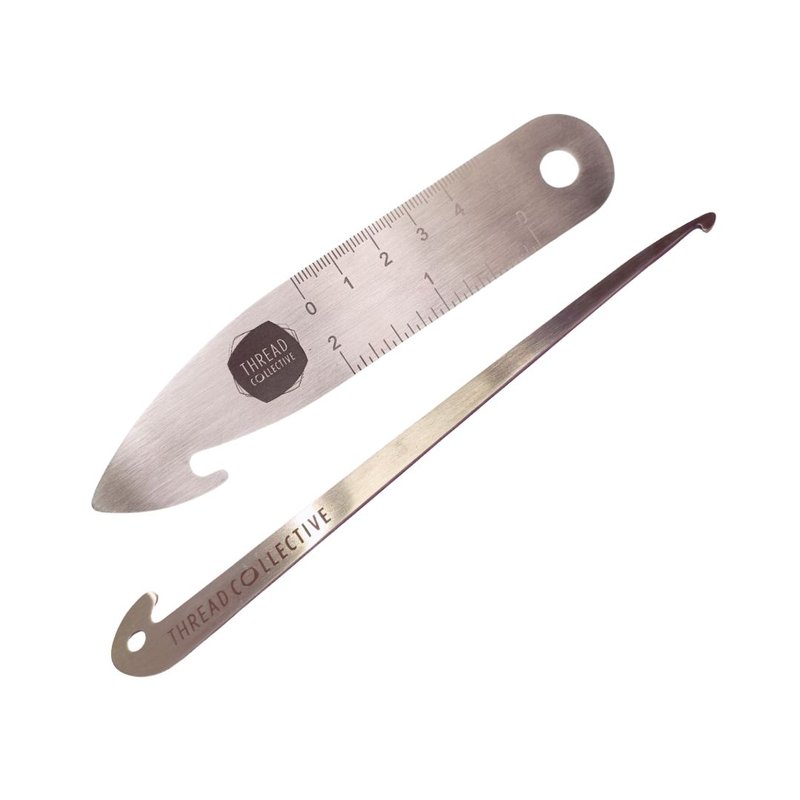
Threading heddles and reeds can quickly become tedious without the proper reed hook or sley hook. These inexpensive tools speed up loom dressing significantly while reducing strain on your hands. Many weavers consider these two of the most underrated additions to their maker's toolkit.
The Maker's Toolkit for Spinners
Spinning transforms loose fibre into beautiful yarn. The process becomes much more enjoyable, too, with dependable equipment.
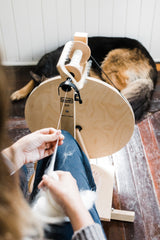
1. Spinning Wheel or Drop Spindle

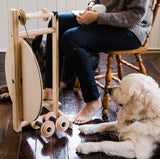
Every spinner begins with a method of creating twist. Drop spindles remain affordable, portable, and excellent for learning drafting skills. Spinning wheels increase production speed and allow longer spinning sessions with less physical effort.
Many experienced spinners continue using both, as each offers unique advantages.
2. Hand Carders or Drum Carder

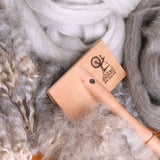
Properly preparing fibre leads to smoother spinning. Hand carders, for instance, align fibres into rolags, while drum carders efficiently prepare larger batches for those working with larger quantities. Either way, both improve consistency and reduce interruptions during spinning.
3. Lazy Kate
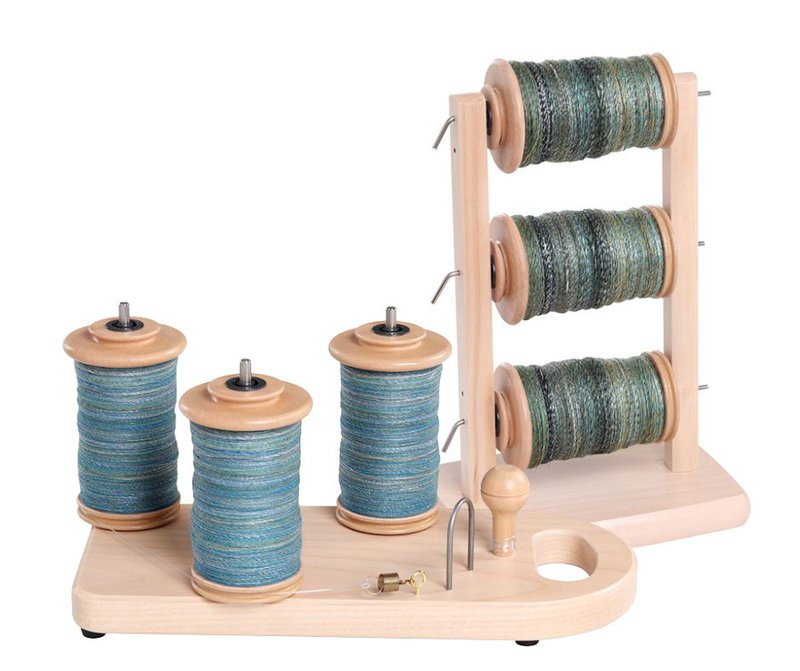
A lazy kate keeps bobbins organised during plying. Without one, however, yarn often tangles or twists unevenly, making plying far more frustrating than necessary. Fortunately, many spinning wheels include one, although separate models are also available for those who need extra capacity or a different tensioning style.
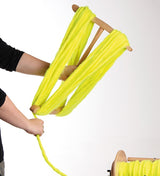
4. Niddy Noddy
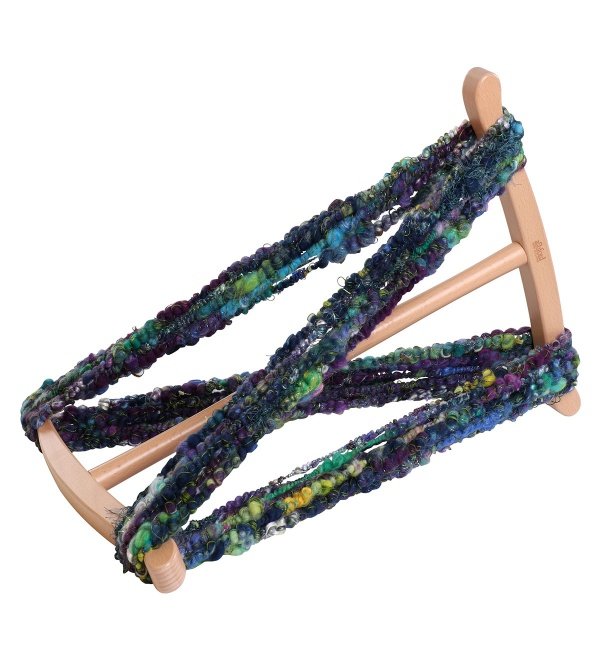
Once spinning is complete, yarn needs to be measured and prepared for washing. A niddy noddy creates consistent skeins whilst letting you estimate yardage more accurately.
Many fibre artists use one for every finished skein, making it an essential part of the maker's toolkit.
5. Yarn Gauge and Wraps Per Inch Tool
Understanding the thickness of your finished yarn helps with future projects. A wraps-per-inch tool lets you compare yarn weights. It also helps you keep detailed, accurate spinning records.
This becomes particularly valuable when you're trying to reproduce a favourite handspun yarn.
The Maker's Toolkit for Knitters
Knitting combines relaxation with precision. These five essentials deserve a place in every knitter's maker's toolkit.
1. Knitting Needles
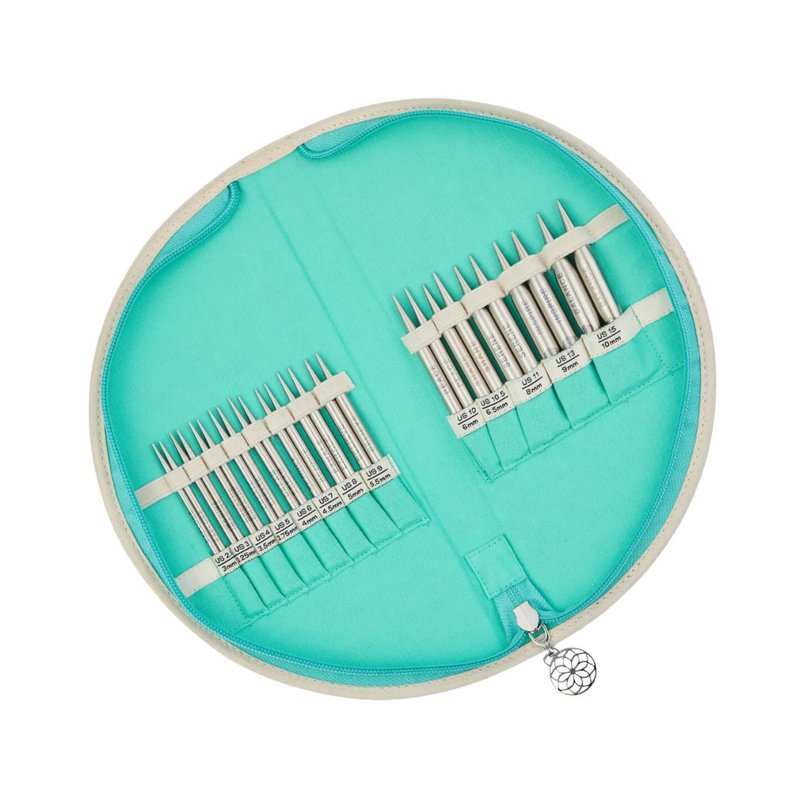
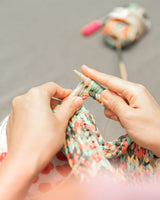
Straight, circular and double-pointed needles each serve different purposes. Many knitters gradually build a knitting needle collection covering various sizes and cable lengths. Interchangeable needle sets become especially useful here because they offer flexibility while taking up less storage space.
2. Stitch Markers
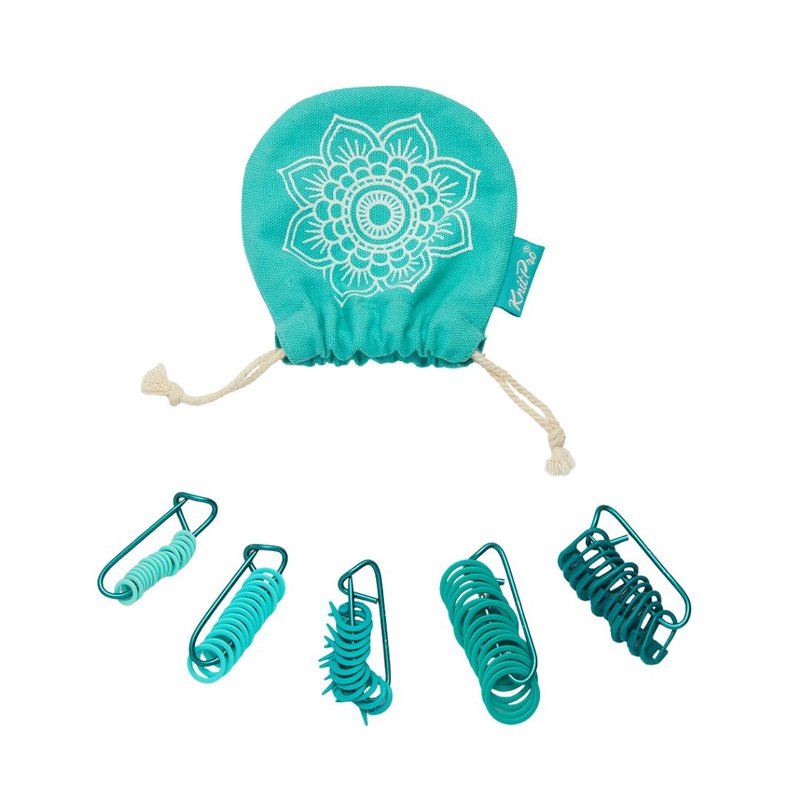
Stitch markers simplify lace, cables, shaping and garment construction. They reduce counting errors, and they help identify important points throughout a pattern. Even experienced knitters rely on them heavily for complex projects.
3. Row Counter
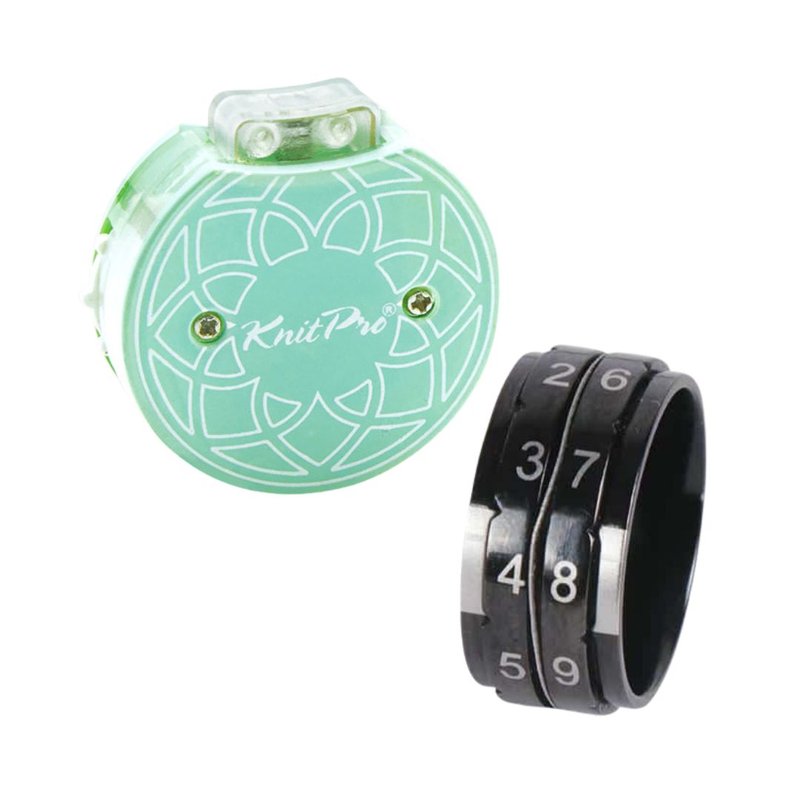
Losing track of rows happens surprisingly often. A simple row counter eliminates the guesswork. It makes following intricate patterns much easier, too.
4. Cable Needle

Cable knitting becomes much easier with a dedicated cable needle. Sometimes, experienced knitters cable without one. Even so, a cable needle adds welcome security and control. That peace of mind matters most for beginners. Small tools like this often have an outsized impact on finished results.
5. Tapestry Needle
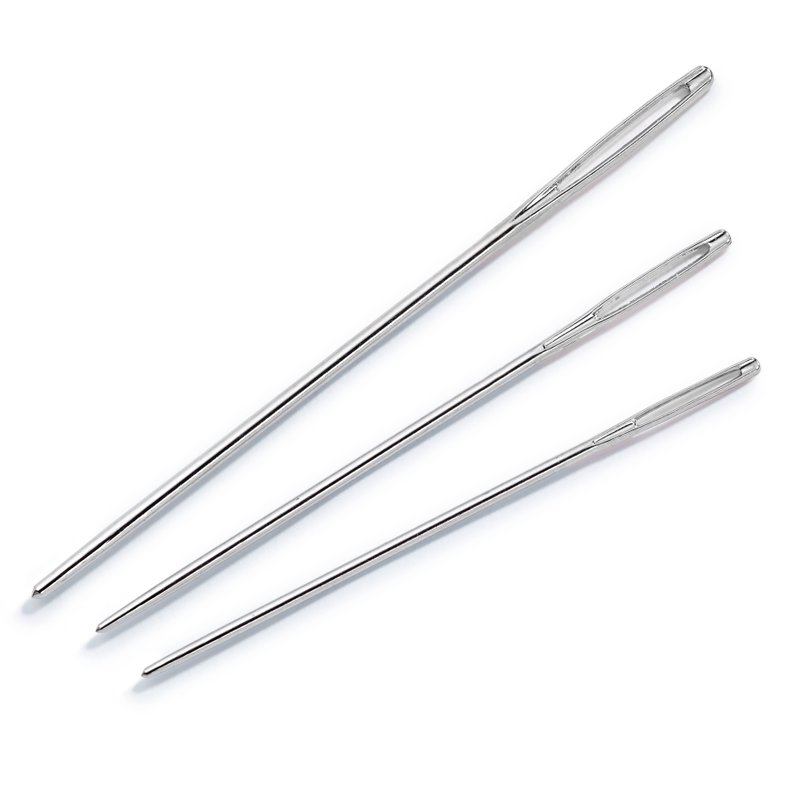
Every knitted project eventually reaches the finishing stage. A blunt tapestry needle makes weaving in ends, joining seams, and adding decorative details much easier. Best of all, it won't split the yarn as it goes.
The Maker's Toolkit for Crocheters
Crochet requires fewer tools than many fibre arts. Even so, selecting quality equipment still improves the overall experience.
1. Crochet Hooks
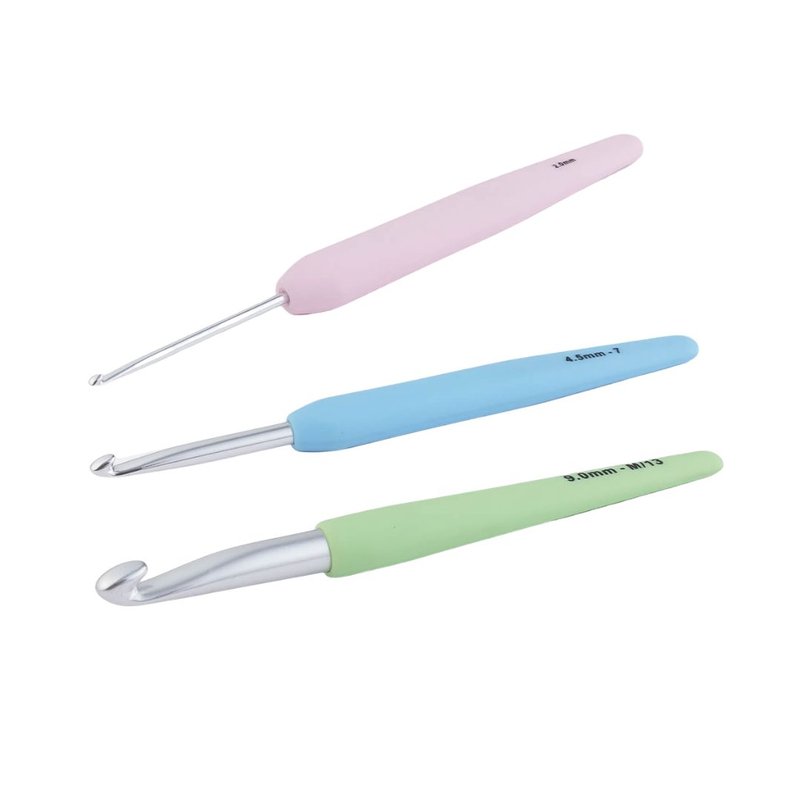
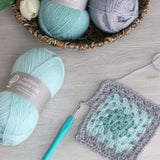
Crochet hooks come in aluminium, steel, bamboo, wood and ergonomic designs. Many crocheters eventually discover a favourite handle style. Often, that style helps reduce fatigue during longer sessions. Meanwhile, building a complete range of hook sizes forms the backbone of every crochet maker's toolkit.
2. Stitch Markers
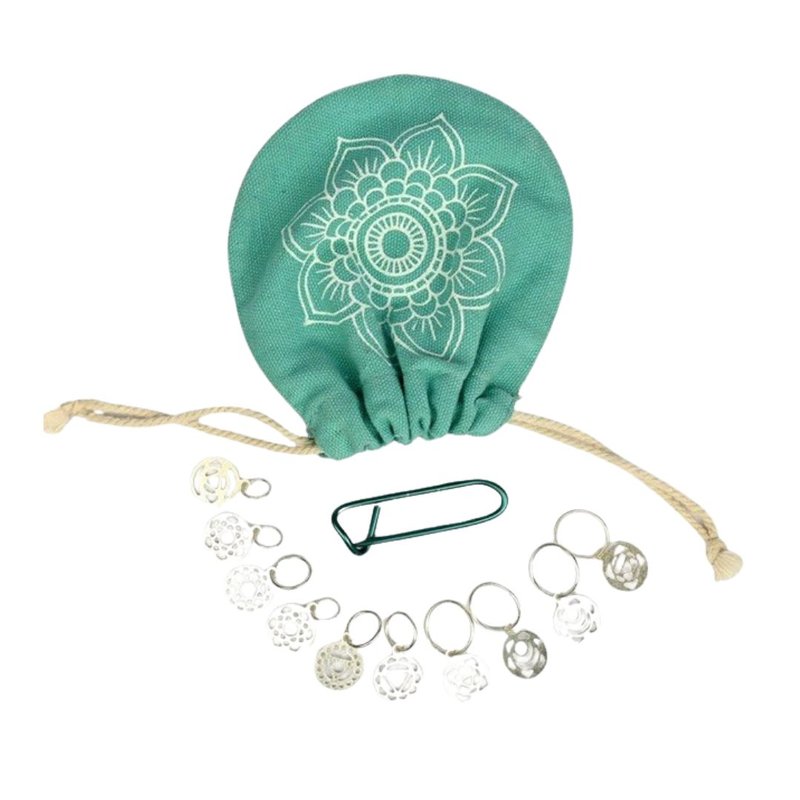
Crochet stitch markers do more than mark rounds. They identify increases, decreases, shaping points and temporary holding positions. This matters while you work garments or amigurumi. Because of this, many crocheters keep dozens within easy reach.
3. Darning or Tapestry Needle
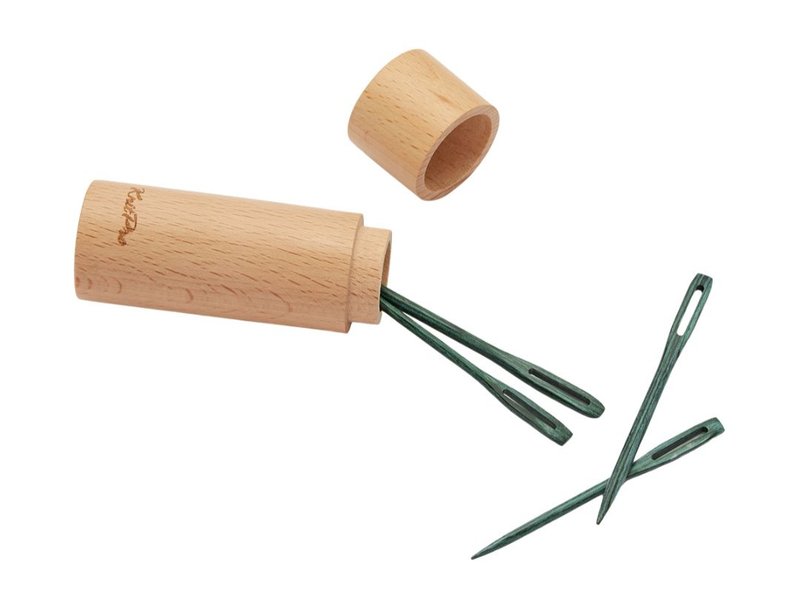
Every crochet project needs finishing. A darning or tapestry needle helps secure ends when weaving in. It's just as useful for joining motifs, attaching appliqués, and neatly sewing soft toys together.
4. Blocking Supplies
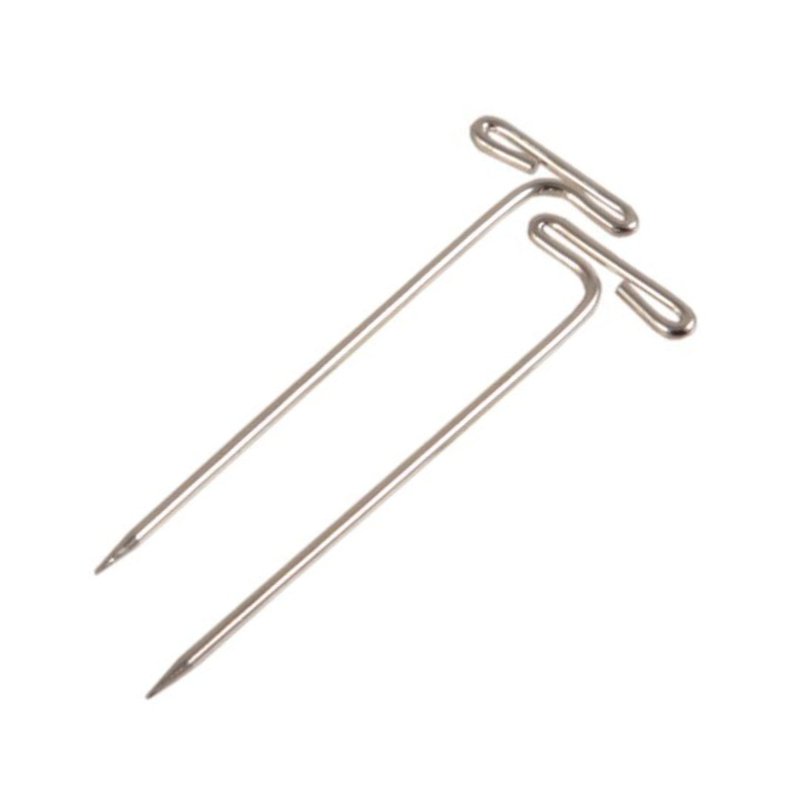
Blocking mats, rust-resistant pins, and blocking wires improve the appearance of many crochet projects. Lace opens up beautifully after blocking. Garments look more polished, too, and finished pieces often end up a more accurate size.
Building Your Maker's Toolkit Over Time
You don't need to build your complete maker's toolkit all at once. Start by getting the essentials for your main craft. Use them for a while. Then, decide which upgrades will really make a difference for you.
Many crafters end up trying other fibre arts too. Knitters often learn spinning. Crocheters might get into weaving. Weavers, in turn, sometimes start spinning their own yarn.
Choosing versatile tools makes it easier to try something new. Interchangeable knitting needles, adjustable weaving tools and ergonomic hand tools can all stay useful for years.
Quality matters. But making thoughtful choices matters even more. Buying tools that fit your actual projects helps you build a collection that truly supports your creativity.
Caring for Your Maker's Toolkit
Taking care of your tools keeps them working well for years. First, clean your scissors often. Also, sharpen them when needed. In addition, keep knitting needles and crochet hooks in cases. This stops them from bending or getting damaged.
For example, wooden tools sometimes need oil conditioning if the manufacturer recommends it. Meanwhile, metal tools should be kept dry to prevent rust. Similarly, spinning wheels need regular maintenance, such as oiling and adjusting tension. Likewise, looms work better with routine checks to keep their moving parts running smoothly.
Putting your tools away after each session might seem like a small habit. Even so, it helps prevent wear. As a result, it also makes starting your next project easier.
Ready to Build Your Maker's Toolkit?
Every fibre artist's path is different. Even so, having a well-chosen maker's toolkit makes it much more enjoyable. The right tools help you work comfortably and learn new skills. In addition, they help you create projects you're proud of.
Your maker's toolkit will grow and change right along with you. For example, maybe this year you're all about crochet. Next year, you might discover a passion for knitting, weaving or spinning. Each new tool you add is a small celebration of your creativity. Additionally, it's a chance to try something new.
Remember, the best maker's toolkit isn't always the biggest or most expensive one. Instead, it's the set of tools that fits your style, supports your favourite techniques, and helps you keep making beautiful handmade items for years to come.
Finally, if you're ready to build or upgrade your maker's toolkit, choose quality yarns, fibres, looms, spinning equipment, knitting needles, crochet hooks and accessories from a trusted supplier. As a result, it'll help you enjoy your craft for years.
Share this article on your favorite platform:
