



























A Guide to Spinning Low-Crimp or Short-Staple Fibres

If you have been spinning wool for some time and want to try something new, low-crimp or short-staple fibres are a great next step. Cotton, cashmere, yak, and jute each have their own distinct qualities - refined, rewarding, and quite different from the springy wool most spinners start with.
These fibres require more attention and care. You will need to be precise with your hands and make some thoughtful adjustments to your technique and tools. In return, you can create yarn with beautiful drape, warmth, or structure, depending on the fibre you choose.
If you have ever had your yarn break or pull apart as you spin, you are not alone. A few simple adjustments can make a real difference. Here is a look at why these fibres behave the way they do, how to adjust your technique, and which tool changes make spinning them easier.
Why Low Crimp and Short Staple Fibres Behave Differently
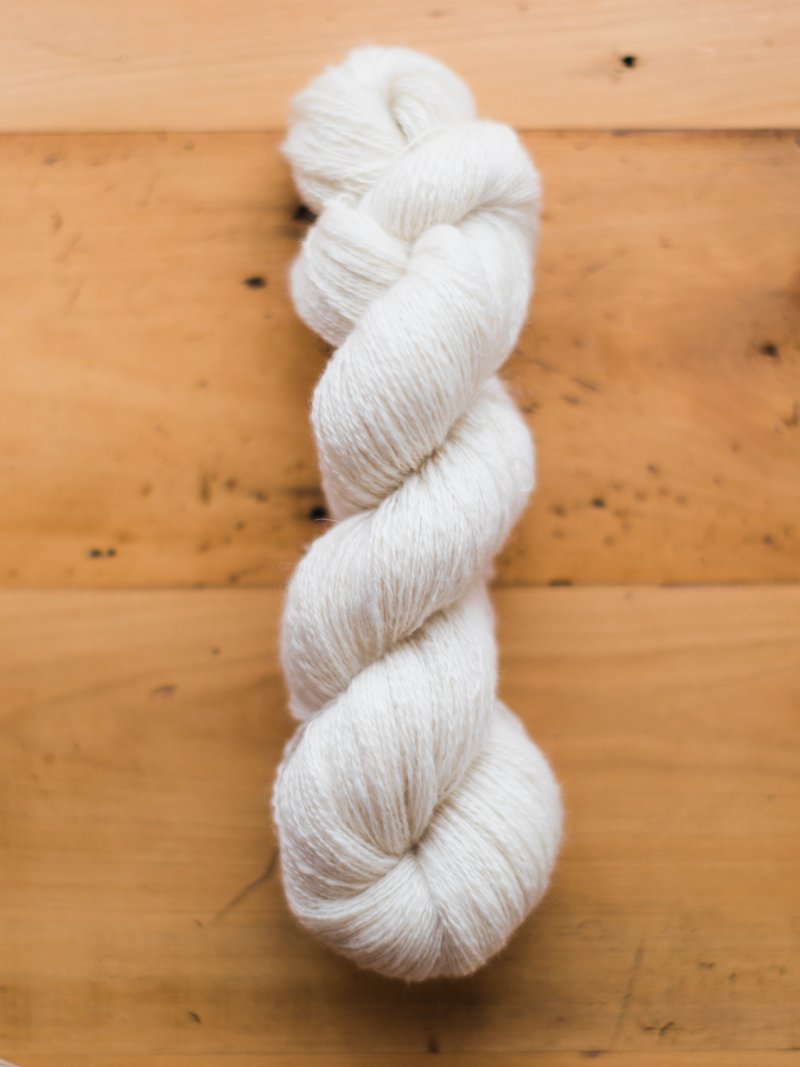
Before you change your technique, it’s helpful to understand what makes these fibres special.
Crimp and grip
Crimp is the natural waviness in a fibre. Many types of wool have visible crimp, which helps the fibres grip each other during drafting. This waviness also gives wool its stretch, making it much more forgiving to spin.
Cotton, cashmere, yak, and jute have very little crimp. Their fibres are straighter and slide past each other more easily. With less grip, there is less support in the drafting zone.
Staple length and overlap
Staple length is the average length of each fibre in your preparation. Many wools have medium to long staples, so the fibres overlap a lot during drafting.
Cotton has very short fibres, typically between 10 and 40mm, depending on the variety. Cashmere and yak also have short staples, usually in the 25 to 90mm and 30 to 50mm range, respectively. Jute, after it is prepared for handspinning, is considerably shorter than its raw form.
Shorter fibres have fewer points where they overlap. Because of this, you need to add more twist to keep the yarn together.
Elasticity differences
Elasticity is an important part of spinning. Wool stretches a bit before it breaks, but cotton and jute do not. Cashmere and yak have very little stretch as well.
When you pull too hard, these fibres break suddenly. Because they do not stretch much, you need to be more careful with your take-up tension and drafting control.
These fibres have low natural grip, require more intentional twist, need controlled drafting, and reward careful attention to tension. Knowing this helps you turn any frustration into a practical starting point.
Cotton: Smooth, Strong and Twist Dependent
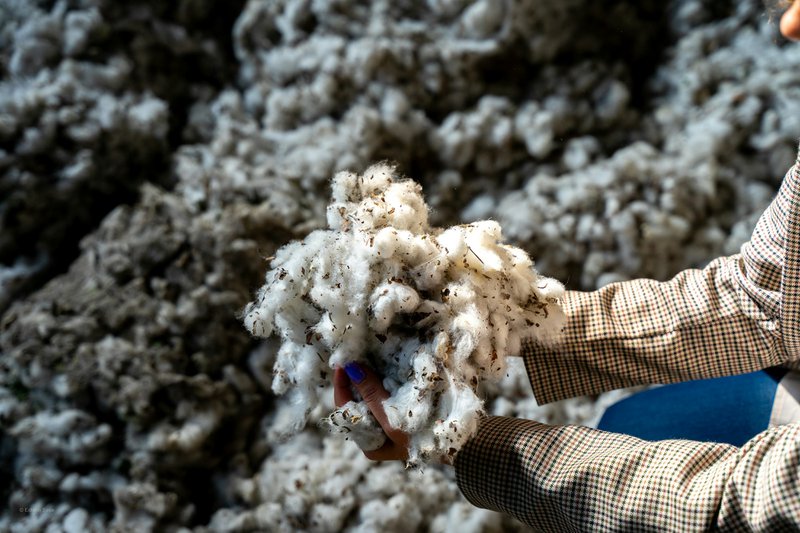
Cotton is often the first short-staple fibre that spinners try. It comes from the cotton plant, feels smooth, and has no crimp at all.
Because cotton fibres are short and smooth, they need a lot of twist to hold together. Without enough twist, the cotton pulls apart in your hands.
Preparation matters
Cotton can be spun from raw fibre straight from the boll, punis, rolags made with cotton carders, or sliver. Many spinners prefer punis when spinning cotton because their tight, compact roll organises the short staples and helps regulate how the fibre releases during drafting, which leads to a more consistent yarn.
Key adjustments for cotton
Use supported long draw, or long draw, rather than a short forward draft, and allow twist to enter the drafting zone early. Keep your drafting triangle small and aim for more twists per inch than you would use for wool.
Cotton rewards patience and rhythm. Once you find that rhythm, it becomes meditative and precise.
Cashmere: Delicate but Blooming
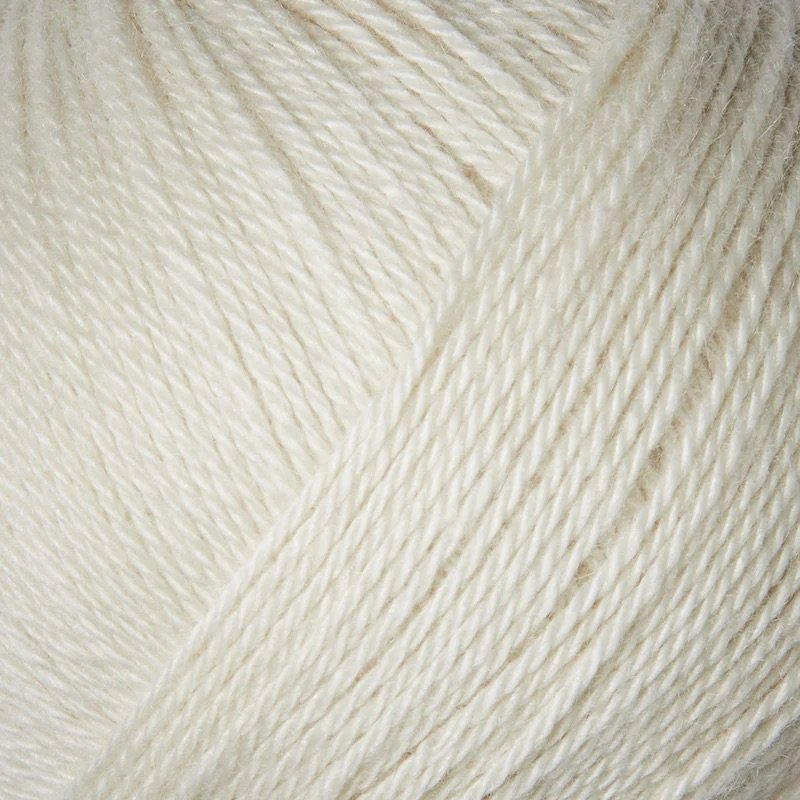
Cashmere is soft, fine, and short-stapled. It can feel slippery in the hands, especially if you are trying to spin it very fine. Because cashmere is a valuable fibre, it is always worth sampling before you commit to spinning your whole preparation.
Spinning adjustments
Your technique will affect the finished yarn. A long draw produces a loftier, softer result with a gentle halo — the classic woollen-spun cashmere. A short draw, working in small increments of around half to three-quarter inch, gives a smoother, more durable yarn with better stitch definition. Spinning from the fold is worth trying if you find the fibre drafting too fast or slipping out of control.
Whichever approach you use, cashmere needs more twist than you might expect. Keep take-up tension gentle throughout; high tension is one of the main causes of breakage. If spinning on a spindle rather than a wheel, a supported spindle is an excellent choice.
Cashmere blooms after washing, so small, uneven spots in your singles often soften and even out once the yarn is finished. Wash your sample before you judge it too harshly.
Blending with merino is a practical option if you want more grip in the drafting zone while you find your feet with this fibre.
Yak: Softness with Subtle Strength
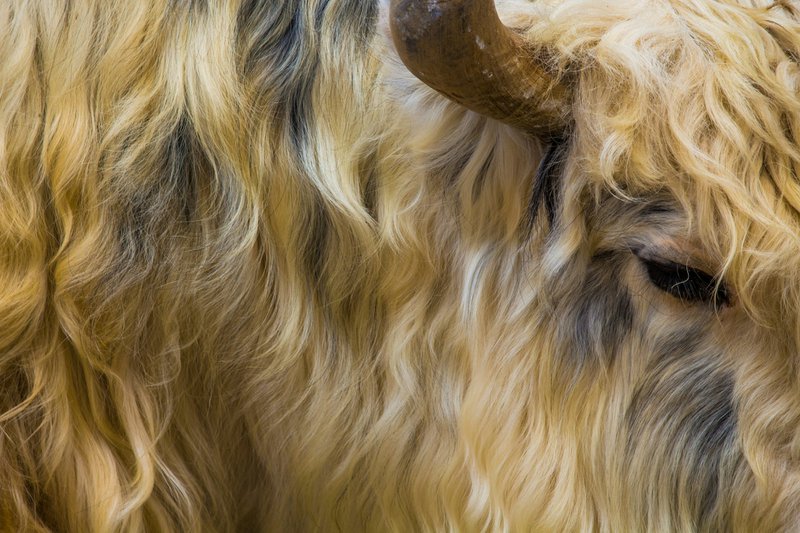
Yak down is fine, short-stapled, and shares many qualities with cashmere. It is warm and breathable.
Supported long draw or long draw works well for yak, as does spinning from the fold if you find the fibre drafting unevenly. Either way, watch your twist carefully; the spongy texture of yak can make your singles feel more stable than they are. A quick ply-back test will tell you if the fibres are holding together properly.
Like cashmere, yak blooms after washing, so the finished yarn will be softer and slightly thicker than your singles suggest. One thing to be aware of: yak felts readily, even with light agitation and moisture, so handle your preparation gently and store it carefully between sessions.
You can spin yak on its own or blend it with merino for extra grip, or with silk for added sheen and drape.
Jute: Structural, Rustic and Unforgiving
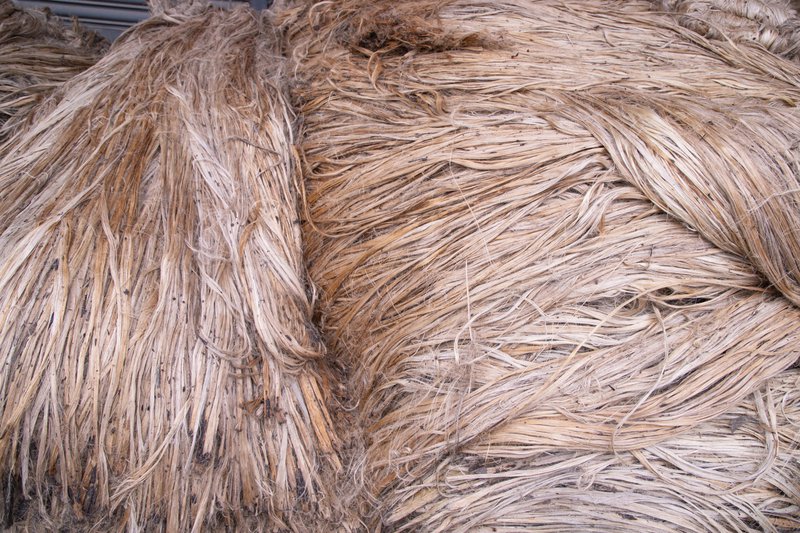
Jute is a bast fibre, meaning it comes from the stem of the plant rather than a seed or animal coat. That origin gives it a character quite different from the other fibres in this guide — it is coarser, stiffer, and has virtually no elasticity or crimp.
Raw jute has very long fibres, but the prepared fibre that handspinners work with is considerably shorter after retting and processing. Either way, jute does not behave like cotton or cashmere. It will not soften or bloom after washing, and the yarn you spin will stay close to what it looks like on the wheel.
Spinning approach for jute
A controlled short draw works best for jute. Because it has no elasticity, losing control of the drafting zone even briefly can cause sudden fibre separation. Keep your hands close together, your drafting triangle compact, and let twist stabilise the fibres early.
Twist balance matters with jute - enough to build strength, but too much creates a stiff, rope-like yarn that is unpleasant to work with. A higher whorl ratio helps you add twist efficiently without needing to slow your drafting right down. Jute can be spun directly from sliver, which is the most common preparation you will find it in.
If you are spinning in a dry environment, or find the fibre too coarse for your hands, consider dampening your fingers as you spin or add a little humidity where you can. Jute becomes brittle in dry air, which increases the chance of breakage.
Adjusting Your Technique For Short-Staple Fibres
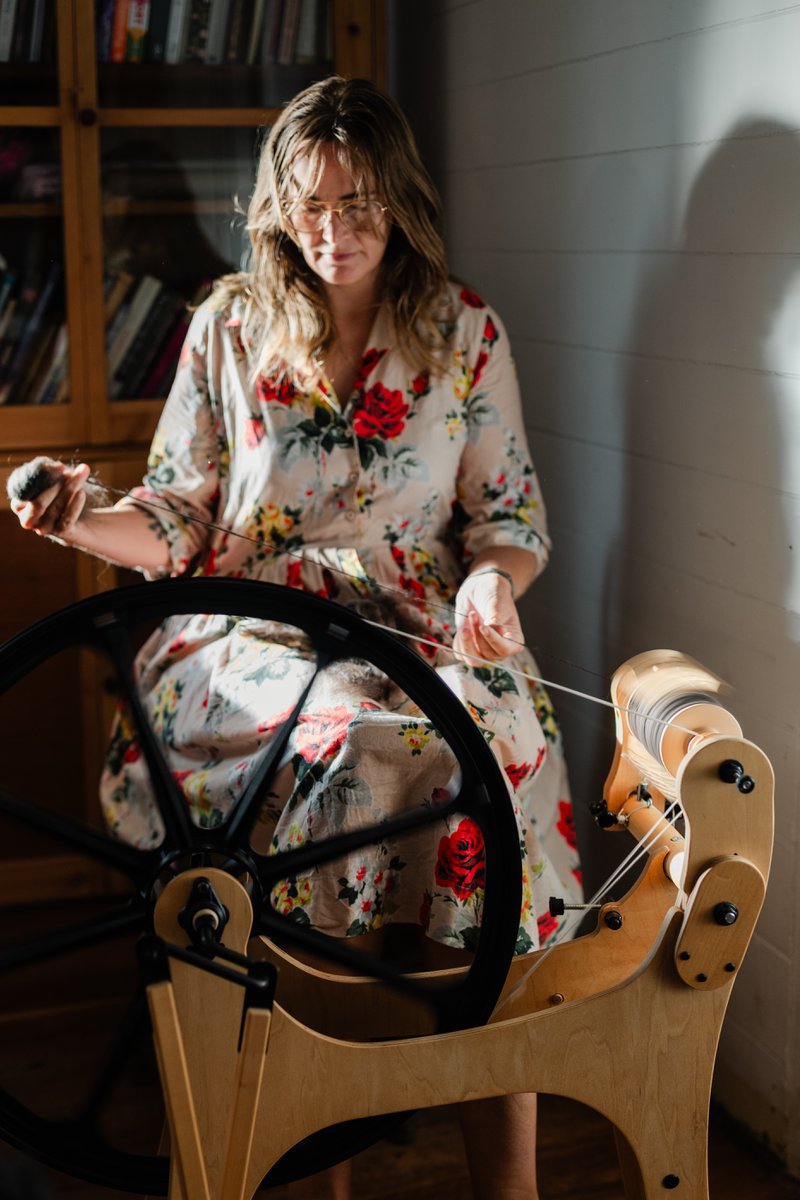
If you are familiar with spinning wool with a long draw draft, you may need to adjust your technique for these fibres. Here are the key things to focus on.
Use long draw or supported long draw
Long draw works well for cotton and other short-staple fibres because it allows for a continuous, low-tension drafting process. Instead of fighting to control short fibres individually, long draw uses the twist to capture and bind them into a stable, typically airy yarn.
Shorten your draw length
Long, sweeping drafts suit long-stapled wool. With short-staple fibres, draft in smaller increments to allow enough twist to gather and bind the fibres.
Keep your hands relaxed
If you hold the fibres too tightly, they can snap. Try to keep your grip gentle and steady.
Reduce your drafting triangle size
A smaller drafting zone gives you more control and helps the fibres overlap. This is especially helpful for cotton and jute.
Increase the amount of twist
Short-staple fibres need twist to stay intact. Cotton in particular often needs more than you might expect. Experiment with increasing your ratio, decreasing tension, and increasing treadling until you have the right amount of twist for your yarn.
Tip: If your yarn keeps coming apart, add more twist. If it feels rough or wiry, use a little less twist.
Lighten take-up tension
High take-up tension often causes breakage, particularly in cotton and jute. Loosen your brake band so the yarn winds on gently instead of pulling sharply.
Tool Modifications That Help
The right tools can make a big difference in your spinning success.
1. Choose appropriate ratios
Higher ratios add more twist. Cotton often works best with higher ratios. Jute and yak usually do well with medium to high ratios.
2. Reduce brake tension
Fine fibres need gentle take-up. Try spinning a short length and see how it winds on. Adjust until it feels smooth and steady.
3. Consider Specialty Tools
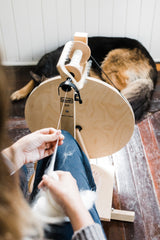
If you plan to spin short-staple fibres regularly, it is worth adding a high-speed flyer or whorls if your wheel allows for it. Wheels with higher speed ratios, such as the Schacht Flatiron or Ashford Elizabeth 30 are also worth considering. For fine cotton in particular, a supported spindle or a charkha is an excellent option.
4. Check your orifice and hooks
Short-staple fibres can catch easily. Make sure your wheel’s metal parts are smooth and free of rough spots.
5. Use appropriate carding cloth
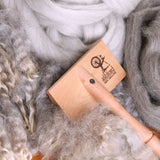
Fine fibres like cashmere and yak do best with finer carding cloth. This helps prevent fibre damage and keeps the preparation smooth.
Blending for Manageability
Blending is a practical way to ease into short-staple spinning. Cotton blended with wool gains elasticity, cashmere with merino gains grip, yak with silk gains sheen, and jute with wool becomes softer while keeping its structure.
Comparing the Fibres
| Fibre | Crimp Level | Staple Length | Elasticity | Best Technique | Twist Requirement |
|---|---|---|---|---|---|
| Cotton | Very low | Very short | None | Long (or supported long) draw | High |
| Cashmere | Low | Short | Low | Short draw or long (or supported long) draw. | Medium to high |
| Yak | Low | Short | Low | Long (or supported long) draw | Medium to high |
| Jute | Very low | Medium after processing | None | Controlled short draw | Medium |
What These Fibres Teach You
Once you can spin these fibres successfully, you will find that very little in the spinning world feels unfamiliar. You will have a much better understanding of twist, drafting geometry, and tension than wool alone can give you.
These fibres are also a great excuse to explore your wheel's ratios and brake settings in greater depth. Many spinners find that adjusting for cotton or jute gives them a much better feel for how their wheel actually works - knowledge that carries over into everything they spin from that point on.
Develop Mastery in Spinning
Spinning low-crimp or short-staple fibres can feel like starting over, and that is completely normal. Start with small samples, adjust one thing at a time, and take note of how your hands respond.
With consistency, these fibres become genuinely enjoyable to work with. And once you can spin cotton, cashmere, yak, and jute with confidence, you will have a level of control that makes everything else feel more manageable.
Feel free to browse more of our free spinning guides on the Thread Collective blog!
Share this article on your favorite platform:
Table of Contents
- Why Low Crimp and Short Staple Fibres Behave Differently
- Cotton: Smooth, Strong and Twist Dependent
- Cashmere: Delicate but Blooming
- Yak: Softness with Subtle Strength
- Jute: Structural, Rustic and Unforgiving
- Adjusting Your Technique For Short-Staple Fibres
- Tool Modifications That Help
- Comparing the Fibres
- What These Fibres Teach You
- Develop Mastery in Spinning
