















Seasonal Project Planning for Weavers: A Year of Inspired Making

As weavers, we're often torn between chasing inspiration and staying practical. One week you're sketching a light summer scarf, the next you're daydreaming about a thick wool blanket for winter, and soon your weaving room is buried in project notes, yarn samples, and half-finished plans all waiting for their turn on the loom. That's where seasonal project planning for weavers comes in: matching what's on your loom to the time of year, so nothing sits unfinished and nothing gets made out of season.
Over the years, I've noticed my most enjoyable and successful projects weren't down to luck. They came together because I planned them with the seasons in mind. Working this way keeps me inspired all year, helps me use my yarn stash wisely, and means my projects are ready when I actually need them. I'm not finishing a wool blanket in the middle of a heatwave, or scrambling to make gifts in December. Instead, I weave with purpose and enjoy the process more.
Whatever your experience level, planning with the seasons can help you get more out of your weaving. Here's how to build a plan that fits the rhythm of the year.
Why Seasonal Project Planning for Weavers Matters
When I first started weaving, I picked projects purely because they inspired me in the moment. That kind of creativity is great, but I often ended up making things that weren't very useful once finished. A cosy alpaca scarf feels perfect in autumn and winter. A heavy wool blanket mid-heatwave? Not so much.
Planning around the seasons helps you:
- Create items in time for them to be most useful
- Take advantage of seasonal colour palettes and inspiration
- Manage larger projects more effectively
- Budget yarn purchases across the year
- Prepare handmade gifts well ahead of time
- Keep your creativity flowing year-round
Most importantly, it lowers stress. Without the rush, there's more room to enjoy the process.
Thinking Ahead Like a Weaver
One of the biggest shifts for me was learning to plan a season ahead. If I want a handwoven shawl ready for autumn, I need to start weaving well before the season arrives. If I’m making holiday gifts, I’m much better off designing and sampling early, giving myself plenty of time to enjoy the making process without feeling rushed.
A good rule of thumb: ask yourself what you want to be using three months from now.
The answer usually points to what you should be weaving right now.
Spring Weaving Projects
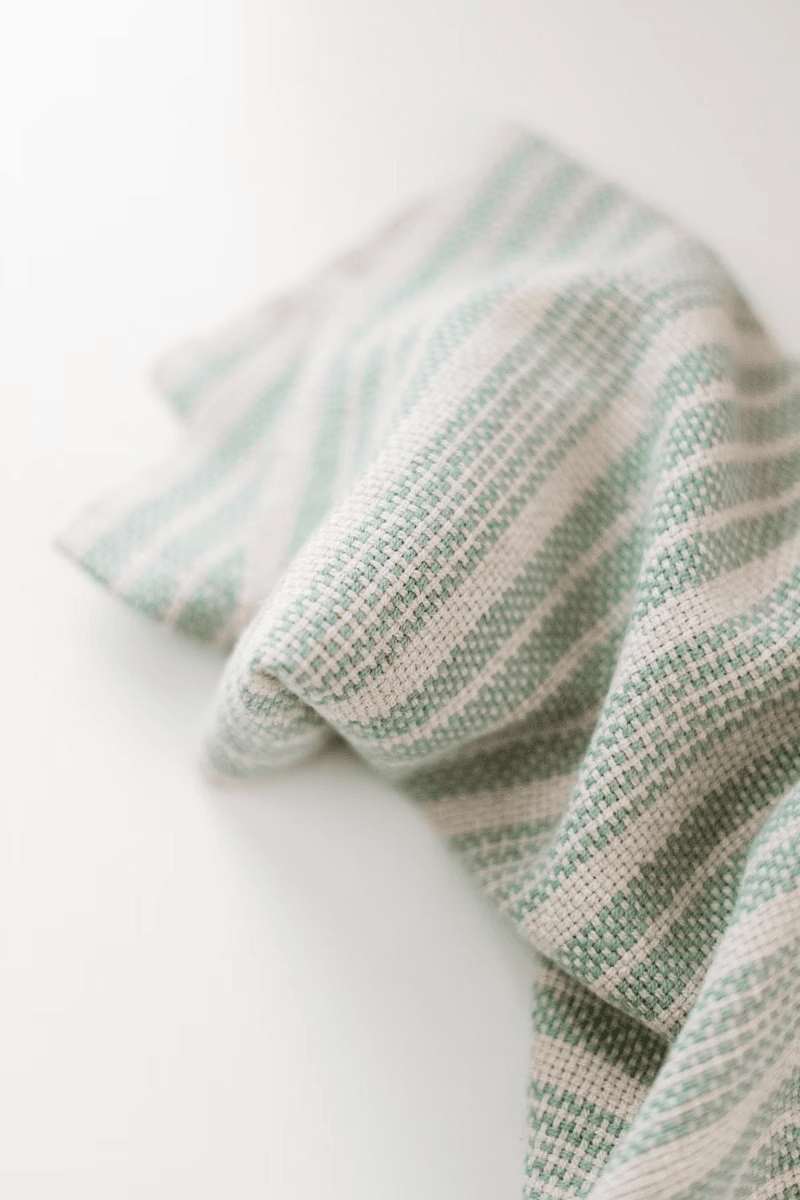
Spring feels like a season of renewal. The days stretch out, colour returns to the landscape, and after months of darker winter palettes I find myself craving something fresh and cheerful on the loom.
It's a good season for weaving lightweight scarves, table runners, tea towels, decorative wall hangings, baby blankets, and lightweight wraps, projects sized to keep momentum going after winter.
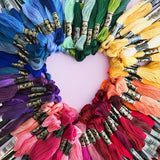
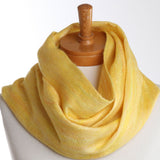
For colour, think fresh greens, soft pinks, lavender, sky blue, butter yellow, and cream. These mix well together for fabric that feels bright without being overwhelming.
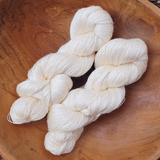
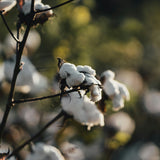
Spring calls for fibres that are light and breathable. Cotton is a reliable choice for tea towels and table linens: Maurice Brassard cotton yarns hold up well while keeping a soft hand. Bamboo yarn (technically a rayon, processed from bamboo pulp) adds a subtle sheen and fluid drape that suits scarves and shawls, and it's a genuinely lower-impact crop than cotton since it needs less water and no pesticides. Tencel brings a similar lustre and drape without bamboo's extra weight. Spring is also a good time to experiment with colour gradients and finer weave structures.
Summer Weaving Projects
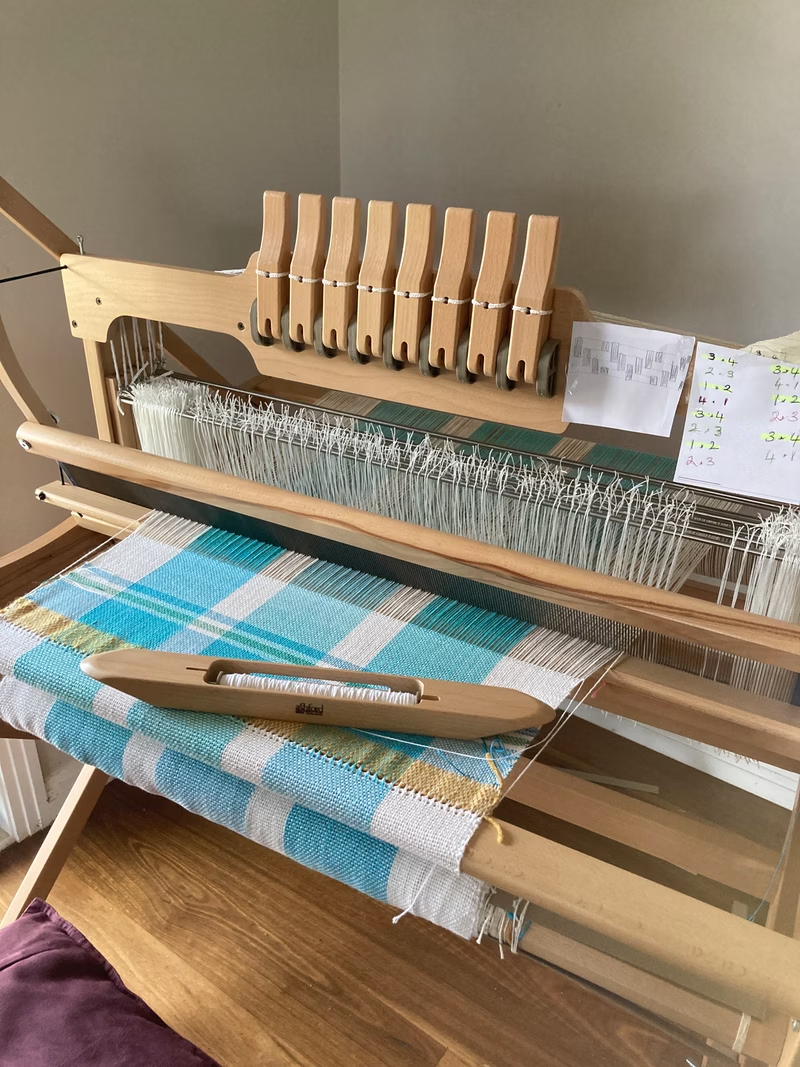
Summer has its own demands. Depending on where you live, weaving under a heavy wool blanket in the height of summer isn't much fun, so this is the season for lighter projects and natural fibres.
Beach towels, lightweight garments, market bags, placemats, table linens, and summer scarves all weave up quickly and stay enjoyable to make even when it's warm.
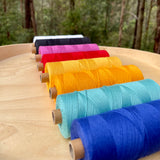
Summer palettes can afford to be vibrant: turquoise, coral, aqua, bright white, sunshine yellow, and ocean blue all bring energy to the cloth.
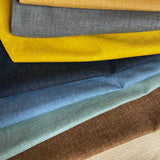
Fibres that breathe matter most here. Linen is a wonderful lightweight addition to the loom in summer, offering crisp, cool fabric that softens beautifully with wear. Cotton remains a favourite for its absorbency, durability, and easy care. Bamboo offers excellent drape and a cool feel against the skin. Tencel creates lightweight fabric with real movement and a soft sheen. Many weavers mix these fibres for cloth that's comfortable to wear and still looks elegant. Thread Collective stocks a wide range of weaving yarns suited to summer projects if you want to build out this part of your stash.
Autumn Weaving Projects
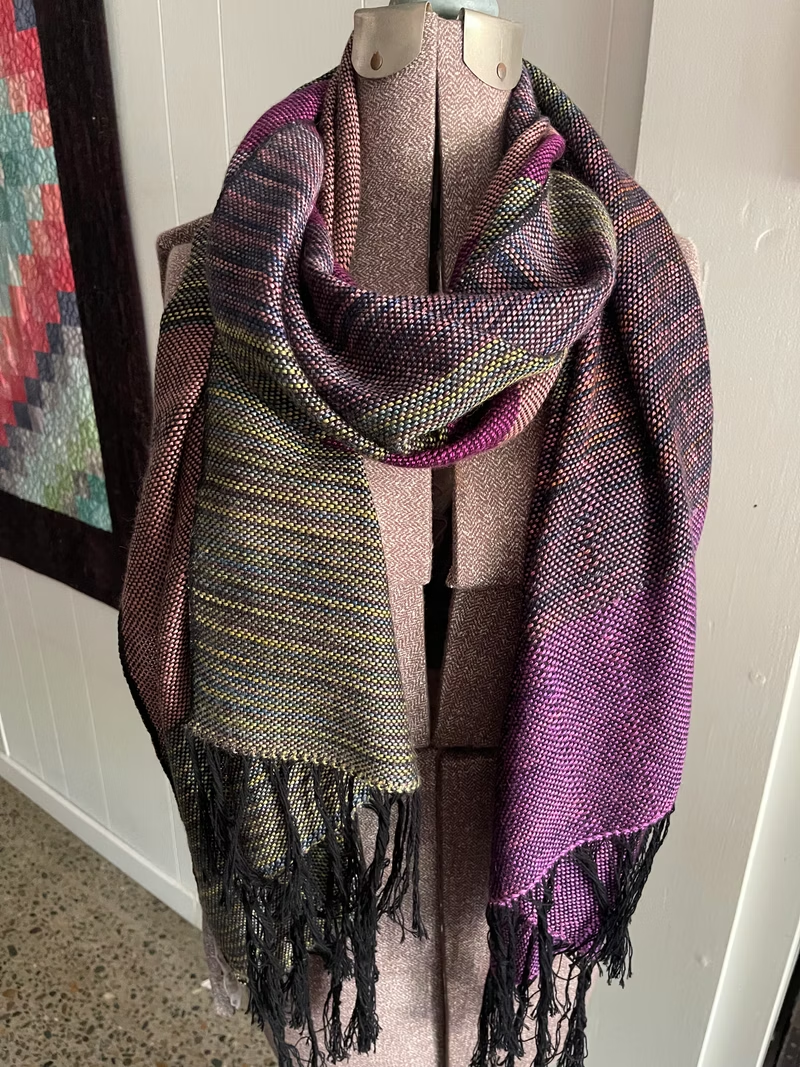
Autumn is probably my favourite season to weave. As the weather cools, I start thinking about comfort, texture, and cosy fabric, and it's also the natural time to begin weaving for the colder months.
Shawls, scarves, throws, cushion covers, seasonal table runners, and gift projects all suit this stretch, getting you ready for the colder months ahead.
Nature does most of the colour work for you here: rust, mustard, olive green, burgundy, deep brown, and burnt orange all bring warmth into your weaving and your home.
Wool becomes appealing again as the weather turns. Merino wool offers softness and warmth without being scratchy, and wool blends add durability and texture to blankets and home décor pieces. Autumn is also a good window to try textured yarns for extra depth.
Winter Weaving Projects
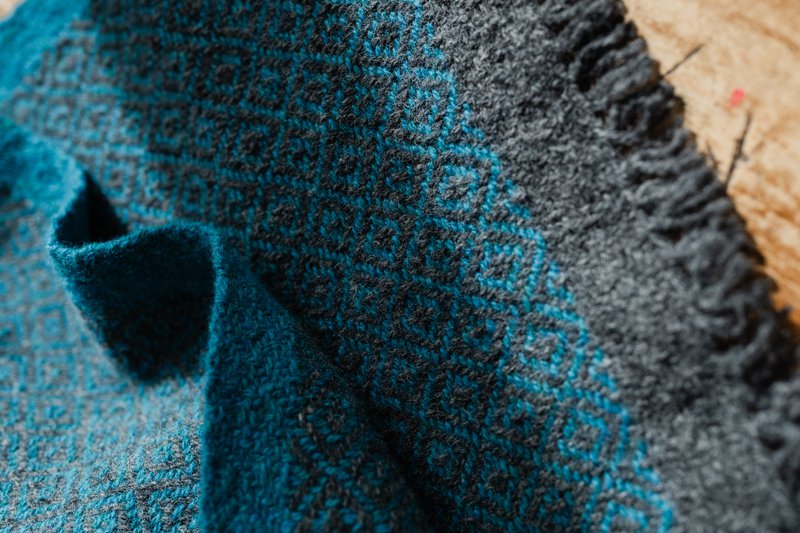
Winter is when I get the most weaving done. Cooler weather makes it easier to spend hours at the loom, and there's something satisfying about making warm, cosy textiles while staying in.
Blankets, large shawls, winter scarves, rugs, cushion covers, and heirloom pieces suit this season, along with any bigger project that needs more time at the loom.
Winter doesn't have to mean dull colour. Deep navy, forest green, cranberry, silver grey, cream, and charcoal all read as elegant and timeless together.
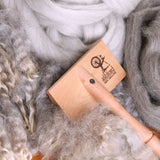
Wool does most of the heavy lifting in winter. Merino wool provides warmth without excess weight, and alpaca blends offer real softness (alpaca fibre has no lanolin, which also makes it a good option for wool-sensitive skin). Thread Collective carries wool yarns from trusted weaving brands suited to blankets, wraps, and winter accessories. Since these projects tend to run longer, winter is a good time to lean into quality materials and careful craftsmanship
Planning Your Weaving Calendar
Planning by season works best with a simple system behind it. At the start of each year, I sketch out a rough weaving calendar, not every detail, just the main projects I want finished each season.
Spring: tea towel collection, lightweight scarf, new weave structure sampling
Summer: table linens, market bag fabric, lightweight wrap
Autumn: shawls, decorative runners
Winter: blankets, rugs, larger showcase pieces
This gives me direction while still leaving room for spontaneous ideas.
Building a Seasonal Yarn Stash

Planning by season also changes how I buy yarn. This is really the practical side of seasonal project planning for weavers: instead of buying on impulse, I can look at what's coming up and choose fibres to match.
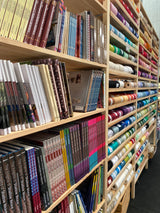
Plant fibres, cotton, bamboo, Tencel, and linen, suit spring and summer weaving. Animal fibres, merino wool, alpaca, and wool blends, are better suited to autumn and winter projects. Thread Collective's range covers both ends, so it's straightforward to build a stash that supports projects all year.
Leaving Room for Inspiration
Planning helps, but it shouldn't be rigid. Some of my favourite projects were never part of the original plan: a new yarn arrives, a colour combination catches my eye, a weaving friend shares an exciting draft. Creativity doesn't always stick to a schedule.
I treat my seasonal plan as a guide, not a rulebook. It gives me structure while still leaving space to explore.
Using Seasonal Planning to Improve Your Skills
Planning by season also gives you a natural way to build skills through the year. Try colour-and-weave exploration in spring, lace and open structures in summer, textured weaves in autumn, and complex multi-shaft projects in winter. By the end of the year, you'll have finished projects and sharper skills to show for it.
Creating Handmade Gifts Without the Stress
Handmade gifts are a joy to give, but they can get overwhelming fast if you leave them too late. Start planning gifts in spring, begin weaving by autumn, and the finishing work is already underway by winter. That timeline means you can make thoughtful gifts without losing sleep over them in December.
Weave with Purpose All Year Long
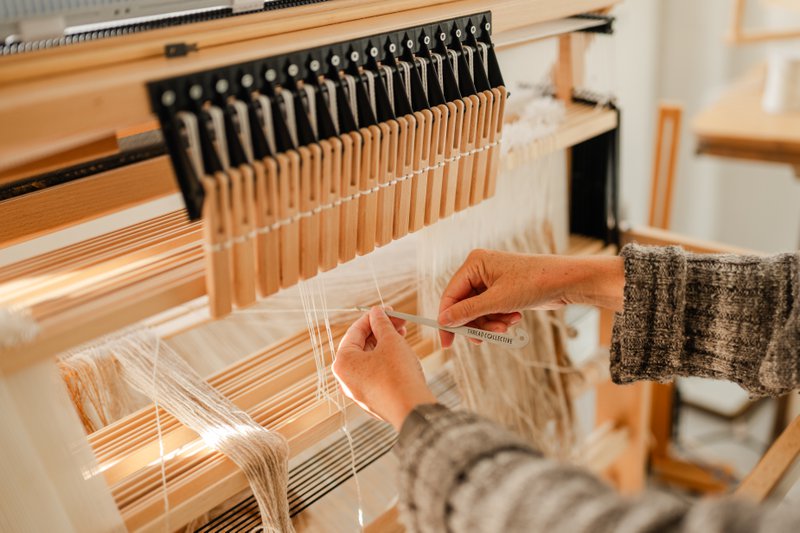
Planning your projects by season doesn't take away the fun of spontaneity, it gives you a framework that supports it. When your projects match the rhythm of the year, you'll finish on time, waste less yarn, and enjoy weaving more. Light cotton tea towels for summer, soft Tencel scarves for spring, textured wool shawls for autumn, cosy blankets for winter: planning ahead makes every season feel productive.
Thread Collective's weaving yarn range covers all of it, from cotton, bamboo, and Tencel for warm-weather weaving to merino wool and other cosy fibres for the cooler months.
Start Planning Your Next Season Today
Look at your current weaving list and ask yourself: what do you want to be weaving, wearing, or giving as a gift three months from now? Once you know the answer, you're ready to plan your next project.
Check out Thread Collective's range of weaving yarns to find the right fibres for your next season of making.
Share this article on your favorite platform:
