
































Weaver Dilemma: When Is It Time to Upgrade Your Loom?
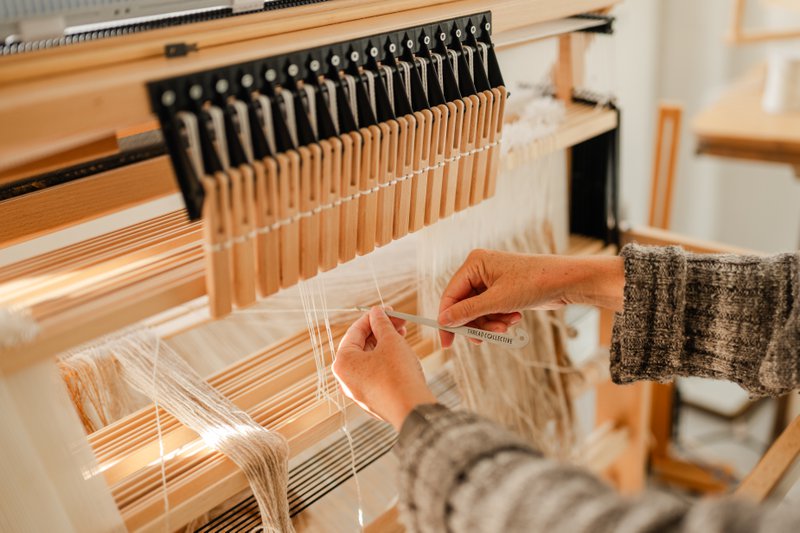
Almost every weaver reaches a point where they start looking beyond their current loom.
It does not always come with a clear sign. Sometimes you notice it mid-project, when you realise your loom cannot do what you need it to do. Other times it creeps up slowly: the small frustrations start to stack up, or you keep bookmarking patterns that require more shafts than you have.
Upgrading your loom is about finding equipment that supports the kind of weaving you actually want to do. So how do you know when the time is right? Here are some signs to look out for.
The Loom That Started It All
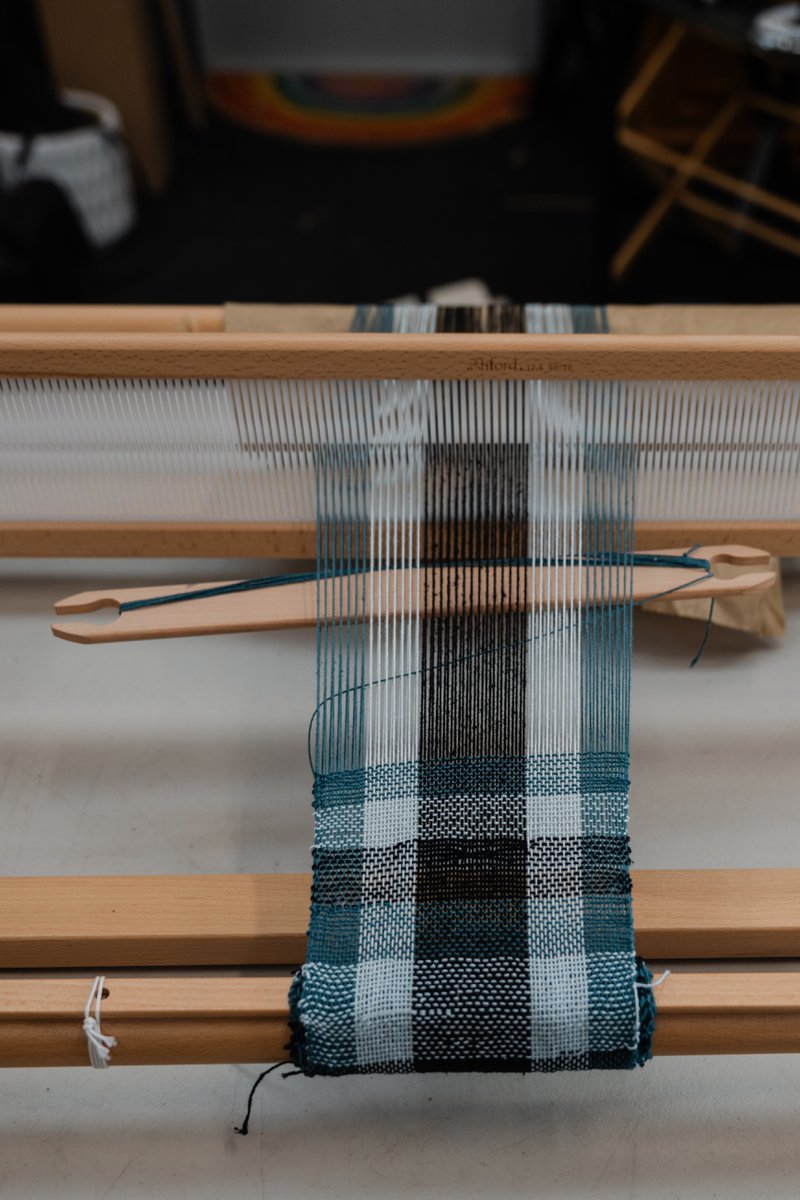
Most weavers have a clear memory of their first loom, in the same way that knitters remember their first pair of needles.
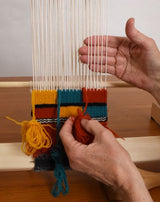
Maybe it was a rigid heddle loom set up on the dining table, or a small inkle loom that taught you the rhythm of weaving. It might have been borrowed or second-hand, with a history of its own.
At first, everything felt like a discovery: the first successful warp, the first clean selvedge, the first finished scarf. You were not thinking about shaft counts or weaving widths. You were learning, experimenting, and falling in love with the craft.
That loom was exactly right for that stage.
Weaving is a craft that builds on itself. As you learn more, you start to see new possibilities. Patterns get more complex, your yarn choices get more interesting, and your curiosity eventually outgrows what your loom can offer.
That is often when the question forms: is my loom still keeping up with me?
When Your Ideas Feel Bigger Than Your Loom
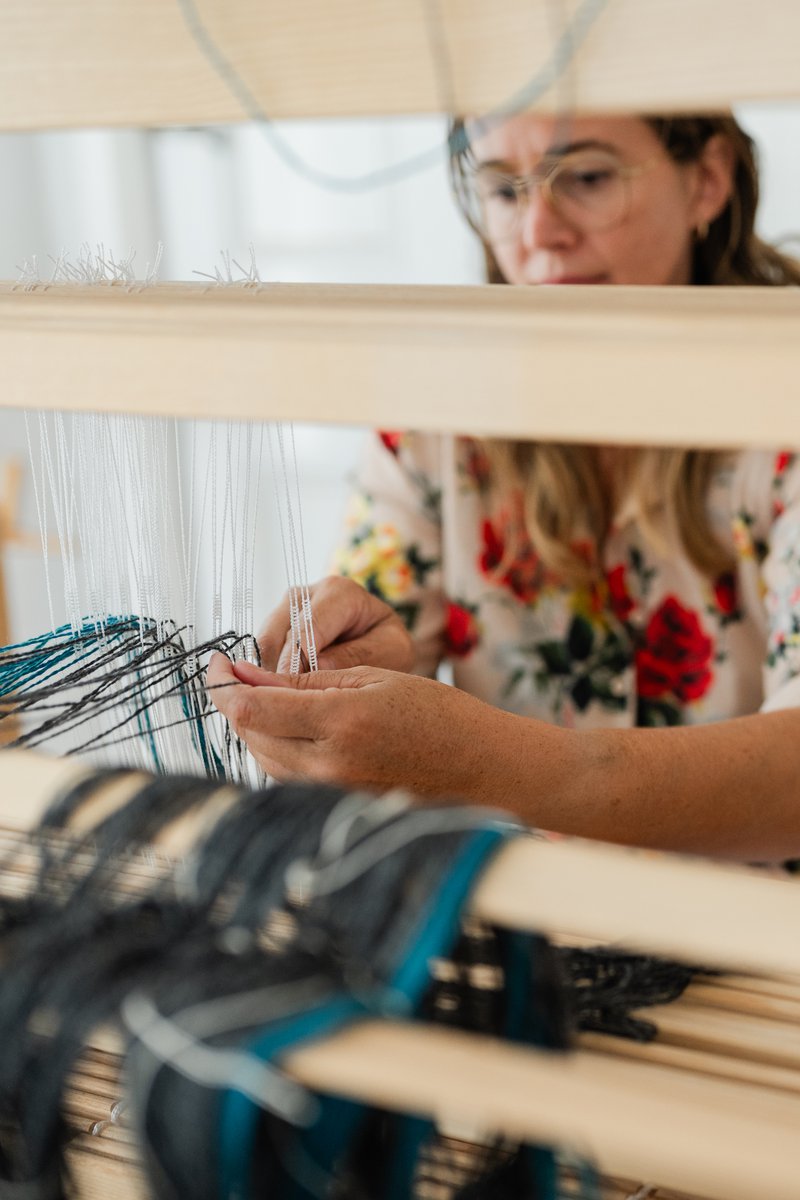
One clear sign it might be time to upgrade is when your imagination keeps running into technical limits.
Perhaps you started on a rigid heddle loom and loved its simplicity. It taught you about structure, colour, and warp tension. But now you find yourself browsing drafts that require four shafts or more. You want to weave twills properly. You want to try overshot, or design your own structures rather than adapting everything to a single heddle.
If you often think, "I wish I could weave that," your loom may be holding you back. That is not a criticism of your current loom. It just means you have grown as a weaver, and that is worth acknowledging.
When Projects Take More Effort Than Joy
Weaving should challenge you, but it should not wear you out.
If you are wrestling with tension every time you advance the warp, if your back aches because the loom height does not suit you, if threading feels like an endurance test rather than a satisfying process, it is worth considering whether the loom itself is part of the problem.
As your skills develop, you start noticing small inefficiencies: friction in the moving parts, sheds that are not as clean as they could be, or the amount of time you spend working around your loom's limitations rather than actually weaving.
Better looms generally have smoother mechanisms, sturdier frames, and ergonomic designs that make longer sessions more comfortable. When you are more comfortable at the loom, your weaving tends to improve as well.
When You Are Weaving More Often Than You Expected
Sometimes the sign is straightforward.
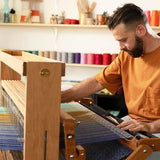
You thought weaving would be an occasional weekend activity. Instead, you find yourself planning projects during the week, watching weaving videos in the evenings, and your loom is almost always warped.
If weaving has genuinely become part of your routine, it makes sense to invest in a loom that matches that commitment. A floor loom can stay set up for bigger, longer projects, while a table loom gives you more structure options without taking up too much space. The more time you spend weaving, the more an upgrade tends to pay off.
When You Want to Weave Larger Pieces
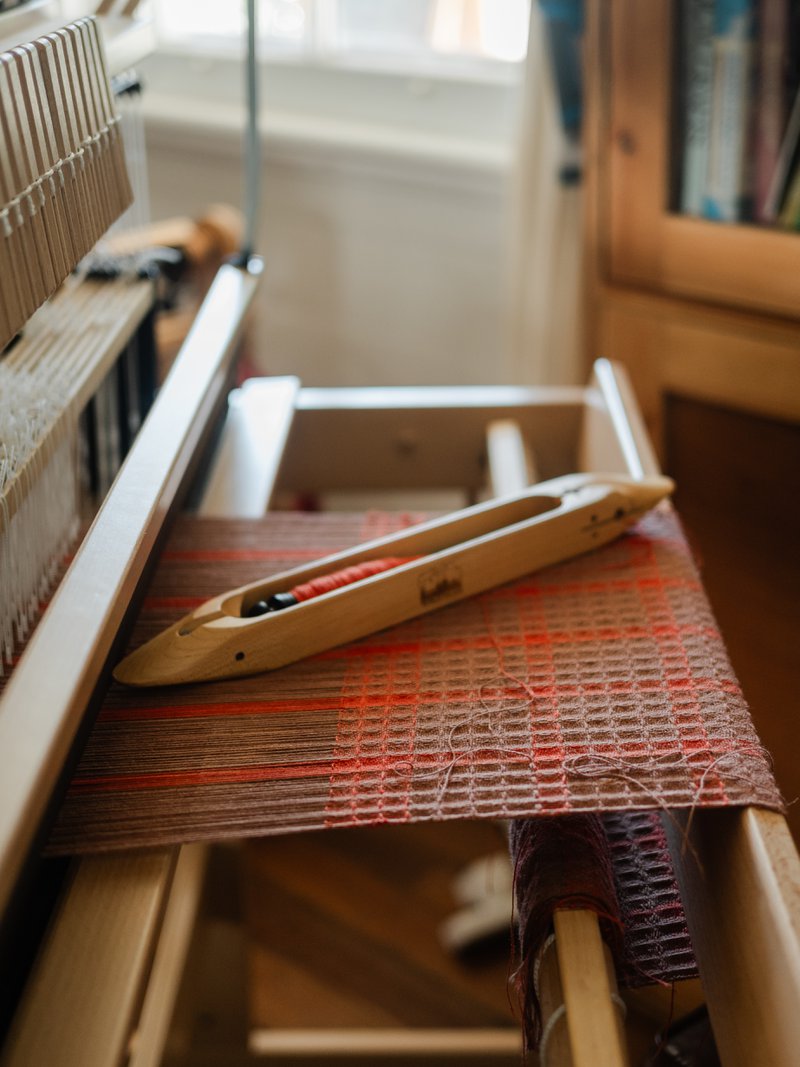
Scarves are satisfying. Tea towels are practical. But sometimes, as your weaving develops, you want more width.
A blanket that spans a lap. A series of matching table linens. A garment panel wide enough to avoid awkward seams. If your loom's weaving width regularly forces you to scale down your ideas, it may be time to look at wider options. Even moving from 40cm to 60cm can open up a range of new projects.
There is something genuinely freeing about not having to compromise your design to fit your equipment.
When You Are Ready to Explore More Complex Structures
Structure is where weaving becomes endlessly interesting.
Plain weave is a solid foundation, and some weavers are content weaving plain weave their entire career, but a four-shaft loom opens up a much wider range of possibilities. Twills, which require a minimum of four shafts on a shaft loom, give your cloth movement and texture. Overshot, also woven on four shafts minimum, has a long history and produces beautifully patterned cloth. Double weave, which lets you weave two layers simultaneously, also starts at four shafts for plain weave layers. Huck lace creates a delicate, open texture that shows off fine yarns especially well.
It is worth knowing that versions of these structures are also possible on a rigid heddle loom, using pick-up sticks, a heddle rod, or a second heddle. You can weave twill-like and huck lace effects this way, and even approximate overshot with a single heddle and the right pick-up technique. The trade-off is time: each pick often needs to be charged or recharged by hand, which is slower than simply treadling on a multi-shaft loom. For weavers who want to work these structures regularly rather than as an occasional project, a multi-shaft loom makes the process far more direct.
Many weavers describe their first experience with a multi-shaft loom as a turning point. Suddenly, drafts start to make sense in a new way. The relationship between threading, tie-up, and treadling becomes tangible rather than abstract.
If you find yourself reaching for pick-up sticks on a regular basis, that is often the clearest sign a multi-shaft loom is worth it.
When You Want Better Tension Control
Tension is one of those skills that quietly defines the quality of your cloth.
When you are starting, you are mostly focused on keeping things even. As you develop, you pay more attention to how different fibres behave under tension, how your beat consistency affects the finished cloth, and how much a stable, smooth warp matters.
Better looms generally feature stronger braking systems, more precise tension adjustments, and beams that handle high-tension warps without issue. If you are working with fine threads, dense sett, or challenging fibres like linen, better tension control can make a real difference to your results.
When You Dream About Weaving as More Than a Hobby
For some weavers, the craft stays a personal practice. For others, it gradually becomes something more: selling pieces at markets, taking commissions, teaching workshops, or building a small collection.
If weaving starts to contribute to your income, reliability and efficiency matter more. A suitable loom will handle longer warps, support repeated project setups, and stand up to regular use. This does not necessarily mean the largest floor loom available. It means choosing equipment that matches your actual workflow and goals.
When You Simply Feel Ready
Sometimes there is no single practical reason.
No technical limitation you can point to. No new structure you are desperate to try. Just a sense that your weaving has outgrown its current home, and it might be time for something different.
You might feel it when you sit at a friend's floor loom and notice how the treadles feel. Or when you browse looms online and find yourself genuinely excited rather than just curious. Upgrading is both a practical and emotional decision, and there is nothing wrong with acknowledging both sides of it.
Weaving is a slow craft, and a good loom will likely be with you for years. Choosing one that genuinely excites you is a thoughtful investment, not an indulgent one.
Choosing the Right Upgrade
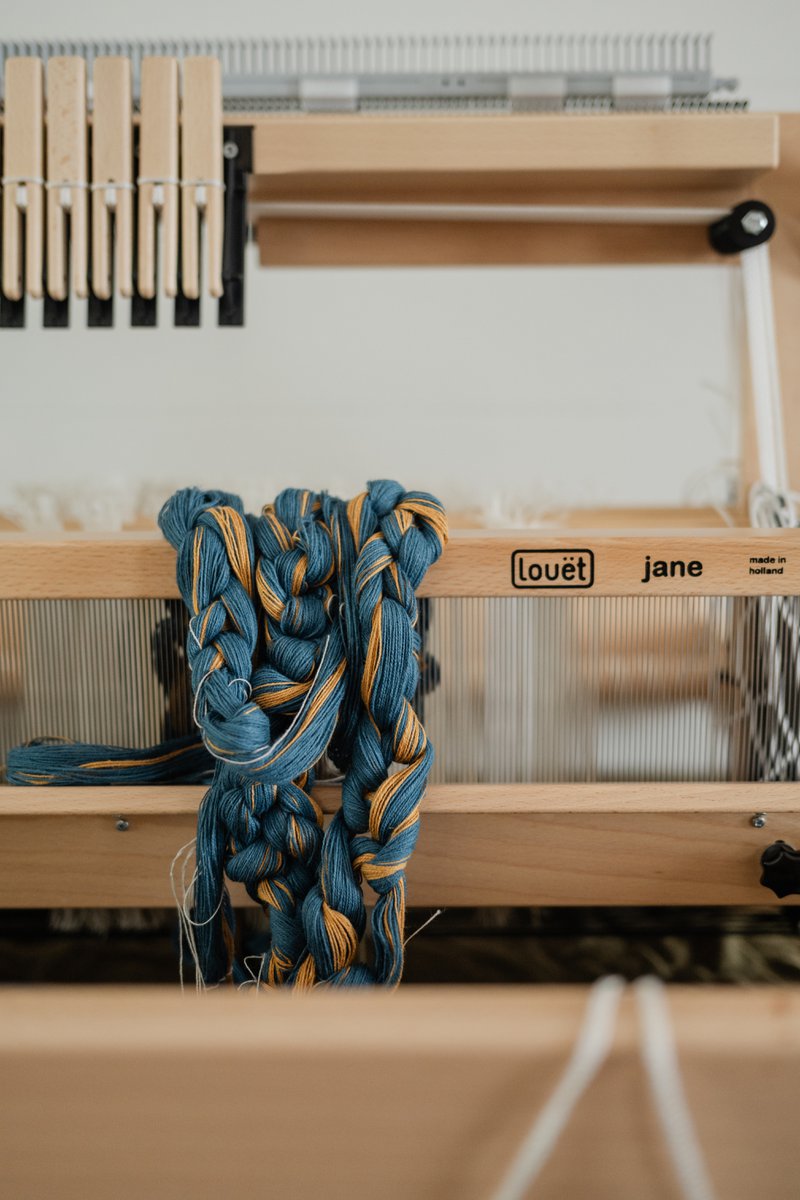
Upgrading does not automatically mean going bigger or spending more. It means finding a loom that better fits where you are as a weaver and where you want to go.
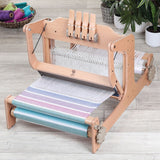
If you love portability and simplicity, a wider rigid heddle loom might be the right next step. It preserves what you already enjoy while expanding your weaving width and options.
If you are drawn to complex structures but short on space, a multi-shaft table loom offers serious capability without the footprint of a floor loom.
If you want efficiency and comfort for longer weaving sessions, a floor loom with treadles can transform how you work.
If you love floor loom weaving but find tying up treadles underneath the loom physically difficult, a mechanical or computer dobby loom removes that step entirely, since the harness combinations are programmed in rather than tied by hand.
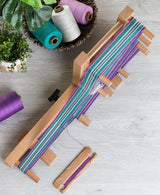
If narrow bands and braided straps are your focus, a quality inkle loom could elevate both your precision and your enjoyment.
And if image-based weaving is calling to you, a dedicated tapestry loom might be the most meaningful upgrade of all.
The right loom is the one that supports the kind of weaving you actually want to do.
Letting Go of Guilt
One barrier many weavers face when considering an upgrade is a quiet sense of guilt.
"My current loom is still perfectly functional." "I probably do not need more." "Maybe I am not advanced enough yet."
Upgrading is not a judgment on your earlier choices. It reflects where you are now. Your first loom did its job well. It introduced you to warp and weft, helped you through the early learning curve, and carried you through your first projects. Outgrowing it does not make it any less valuable. It just means it worked.
Investing in Your Craft With Confidence
If you are weighing whether to upgrade, it can help to sit with a few honest questions:
- Does my current loom regularly limit my project ideas?
- Do I avoid certain weave structures because they are not possible on my current setup?
- Am I weaving often enough that an upgrade would meaningfully change my experience?
- Do I feel excited rather than anxious when I think about upgrading?
If your answers lean toward yes, it may well be time.
When you are ready to move forward, take the time to research properly. Compare features, think about your space and budget, and consider what you actually want to weave in the next few years.
A loom is more than a piece of equipment. It is a long-term creative partner.
Ready to Upgrade? Let Thread Collective Help You Take the Next Step
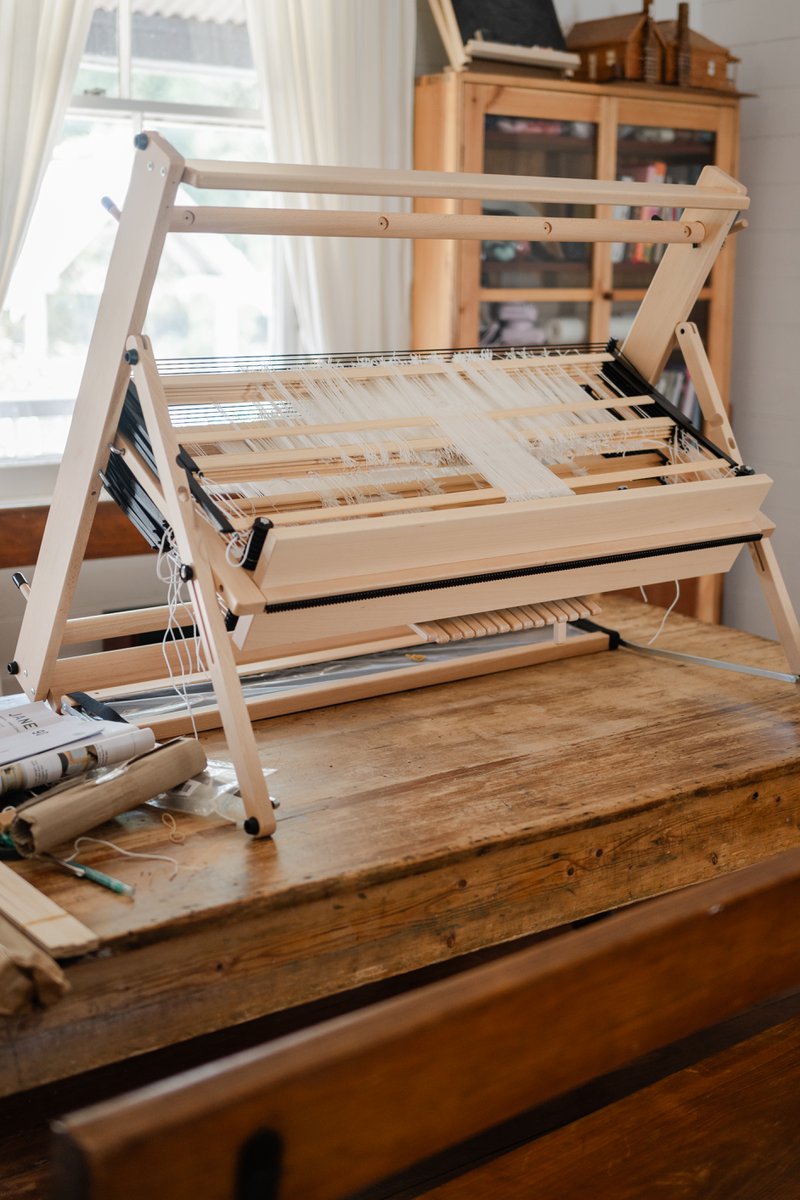
If you have decided it is time for a new chapter in your weaving, we would love to help.
At Thread Collective, we stock a carefully chosen range of looms to suit every stage of growth, from wider rigid heddle loom options to versatile table loom and full floor loom setups. You may wish to refine your craft, or complement an existing loom, with a quality inkle loom, or dive into tapestry weaving. We carry well-loved brands including Ashford, Schacht, and Louet each known for thoughtful design and durability.
Upgrading your loom is not about chasing something bigger for its own sake. It is about choosing a tool that supports the weaver you are becoming.
When you are ready, explore our range at Thread Collective. Ask questions, compare features, and imagine your next project on a loom that feels just right.
Share this article on your favorite platform:
Table of Contents
- The Loom That Started It All
- When Your Ideas Feel Bigger Than Your Loom
- When Projects Take More Effort Than Joy
- When You Are Weaving More Often Than You Expected
- When You Want to Weave Larger Pieces
- When You Are Ready to Explore More Complex Structures
- When You Want Better Tension Control
- When You Dream About Weaving as More Than a Hobby
- Choosing the Right Upgrade
- Investing in Your Craft With Confidence

1 comment
I heartily concur with all of Nicky’s advice! There’s also nothing wrong with owning multiple looms, if you have the space. I have a 25" rigid heddle loom for sampling and small projects, and an 8-shaft 36" floor loom for larger projects and any weave structure that works faster with more shafts. If I had room, I’d get a narrower 8-shaft loom too, but there are limits!