























Weaving Shuttle Essentials: Choosing the Right Bobbin, Quill, and Pirn Size and How to Wind Them
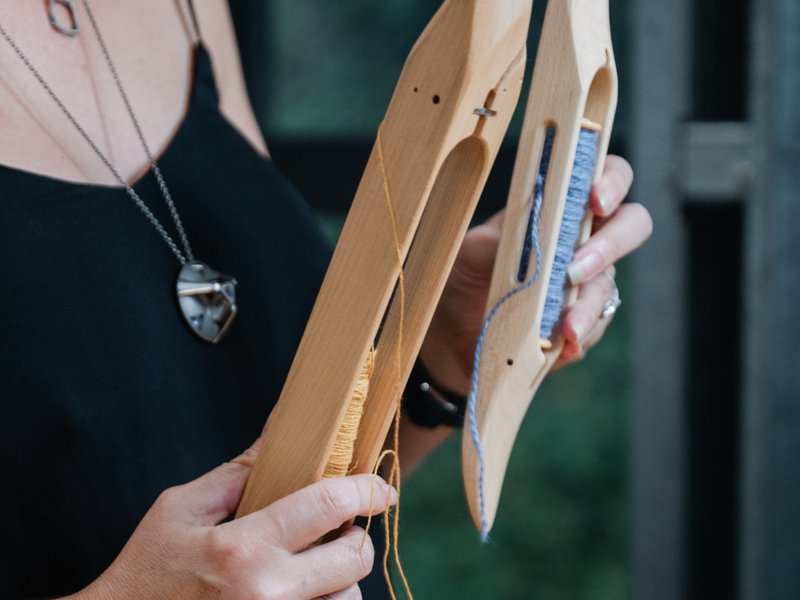
Picture this: you're deep into a weaving project, rhythmically throwing your shuttle back and forth, only to realise your thread is tangling and snagging, the tension is uneven, or your bobbin and shuttle are making an awful rattling sound. Frustrating, right? The culprit often isn't the shuttle itself but the bobbin inside it.
Bobbins, quills, and pirns, and how they're wound, play a crucial role in how smoothly your weaving progresses. Choosing the right one for your shuttle and project helps ensure efficient thread delivery, reduces tension issues, and keeps things moving along. Whether you're working on intricate tapestry designs or larger fabric weaving projects, selecting the correct bobbin type and size makes a real difference.
This guide walks you through the different types of bobbins, tapestry bobbins, quills, and pirns, which suit which shuttles, and how to wind and maintain them. By the end, you'll have a solid foundation to get more out of your weaving setup and enjoy a smoother, more efficient experience.
Already know if you’re seeking a pirn, bobbin or quill but aren’t sure of the size required? Check out our Weaving Shuttle and Bobbin Compatibility Size Guide.
Bobbin, Quill, Pirn and Shuttle Basics
A bobbin, quill or pirn is more than just a spool of thread. It's the mechanism that keeps your shuttle running smoothly. Designed to hold and dispense yarn efficiently, these thread storage and delivery systems influence thread tension, weaving speed, and overall ease of use.
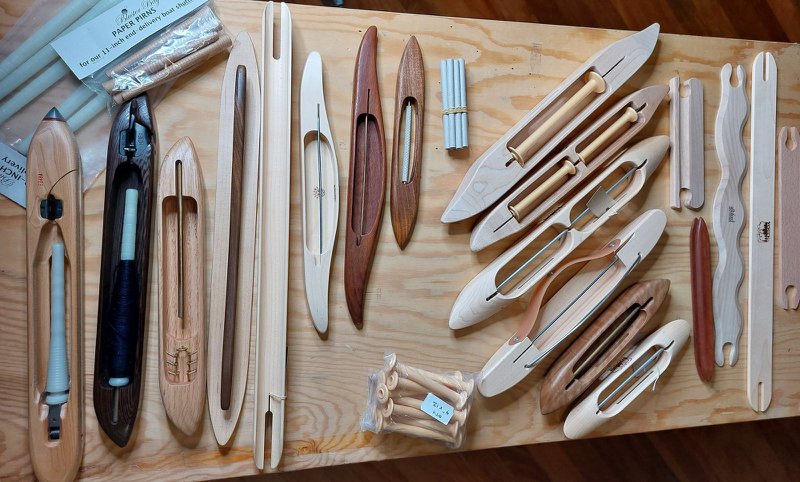
There are several types of shuttles, each requiring specific bobbins:
- Boat shuttles use cylindrical bobbins and quills and are ideal for floor and table looms.
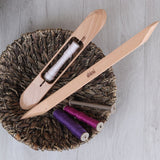
- Stick shuttles hold yarn wrapped around a flat, elongated form, suitable for rigid heddle looms and for some frame and tapestry weaving.
- End-delivery shuttles require tapered pirns to release thread smoothly without adding excess twist.
The material also matters. Wooden bobbins are durable and long-lasting, plastic ones are lightweight and easy to clean, and paper quills are an economical, disposable option. To learn more about weaving shuttles, read our article “Weaving Shuttles: A Beginner's Guide to the Different Types of Weaving Shuttles and How to Use Them”.
Delving Deeper: Bobbins, Pirns, Quills and Their Dimensions
Selecting the right bobbin size and type is important. Too big and it won't fit in the shuttle, too small and it will rattle around, and the wrong type may not fit at all. Here are the most common options:
Boat Shuttle Bobbins
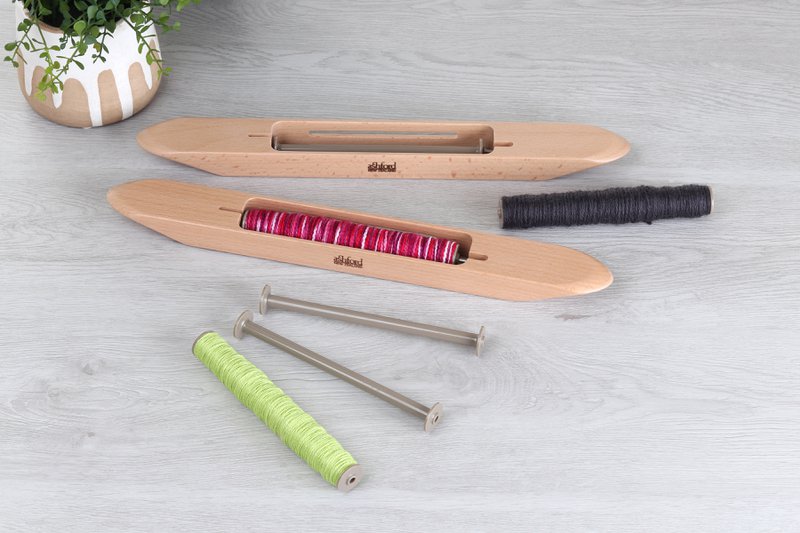
Boat shuttle bobbins are cylindrical and fit snugly into boat and double boat shuttles, which allow for high-speed hand weaving. They come in various lengths, typically ranging from 4" to 6", to match different shuttle sizes. Check your shuttle's instructions to find the size that suits yours.
Paper Quills
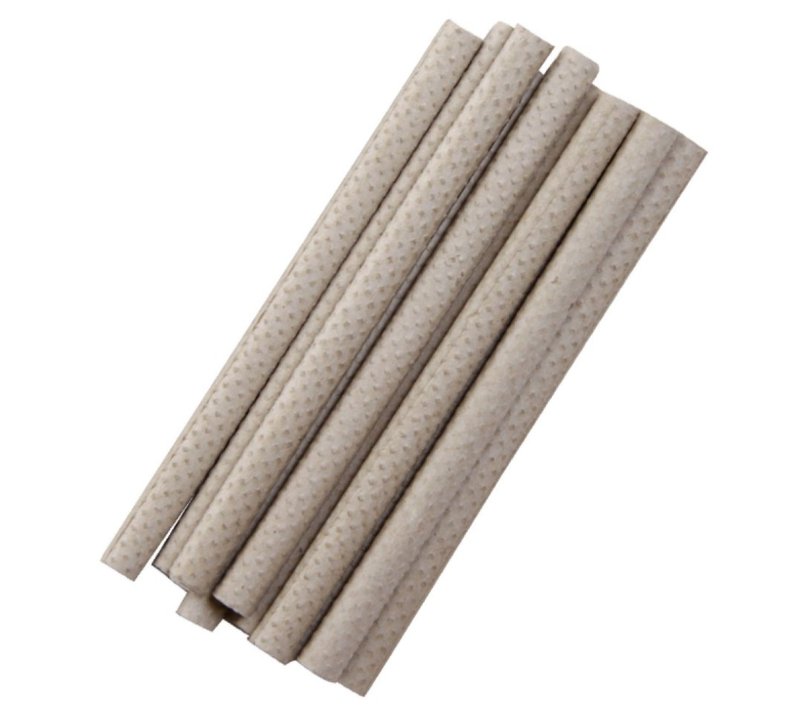
Paper quills are lightweight and disposable, commonly used in boat and double-boat shuttles. They are available in multiple lengths and diameters. If you’re unsure of the required size, a common rule is to choose a quill no more than 2/3 the length of the shuttle cavity to ensure a proper fit. This gives the quill enough room to move side to side as the shuttle is thrown, preventing drag on the yarn.
Pirns
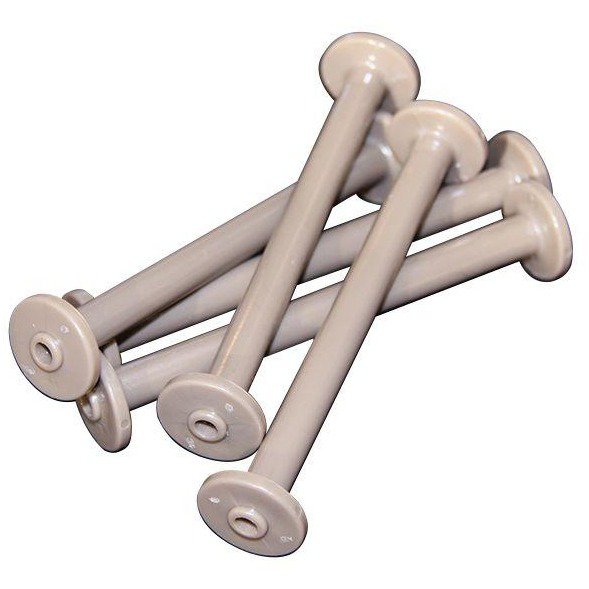
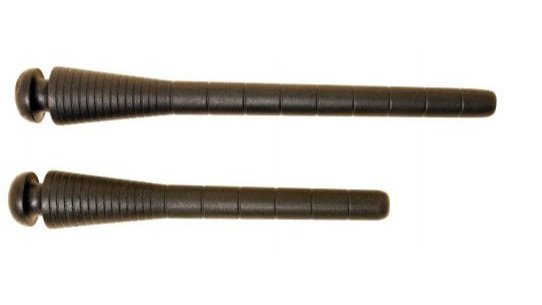
Pirns are tapered bobbins designed for end-feed delivery shuttles. Unlike bobbins and quills, they remain stationary as the yarn winds off them smoothly before going through the tensioning system of these specialised shuttles (available for use by hand or in conjunction with a fly shuttle system). Given the variations of shaft sizes and lengths between manufacturers, it is best to consult your manual for compatible pirns. If you have misplaced your instructions or have an older shuttle, please get in touch so we can help guide you.
Shuttle and Bobbin Compatibility
Using an incorrectly sized bobbin can lead to tension problems, uneven thread release, and frequent interruptions, all of which can affect the quality of your woven fabric. Understanding which bobbins work best with different shuttle types helps you get better results, faster.
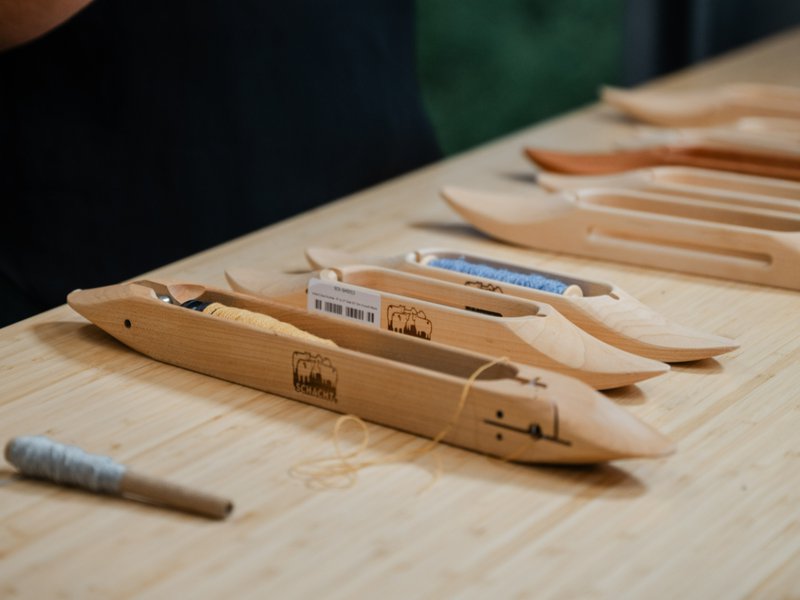
Here’s a breakdown of common compatibility considerations:
- Boat and double boat shuttles require bobbins or quills of the correct length to prevent rattling or slipping within the shuttle. If the bobbin is too short, it may shift excessively; if it's too long, it can cause resistance or simply not fit.
- End-delivery shuttles work with pirns, which provide smooth, continuous yarn flow. Quills and bobbins will not fit onto the specially tapered shaft of these shuttles. Pirns hold tension more consistently, making them ideal for precise weaving where evenness matters.
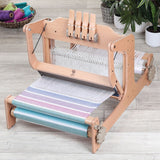
- Rigid heddle weaving benefits from stick shuttles because rigid heddle looms don't have a shuttle race to support other shuttle types. Stick shuttles' slim profile works well with the narrower shed created by many rigid heddle looms.
Before starting a new project, take a moment, particularly if you’re fortunate to have a shuttle collection, to check the size and type of bobbin needed for your specific shuttle.
How to Wind a Bobbin, Pirn, or Quill Properly
Winding your bobbin correctly ensures smooth thread release and helps prevent snags. Here's how to do it for each type:
Winding a Boat Shuttle Bobbin:
- Use a bobbin winder: A mechanical or electric winder ensures even winding.
- Attach your yarn: Manually wrap your yarn around one end to start and secure your thread.
- Keep tension steady: Hold the yarn close to the bobbin and with light tension as you wind.
- Wind: Guide the yarn end to end at a steady speed, filling the ends a little more quickly than the centre. Take care not to overfill at the edges, as yarn can spill over and cause tangles during weaving.
- Avoid overfilling: Stop winding just before the edges to prevent uneven tension and snagging.
- Admire your bobbin! A well-wound bobbin should feel firm, not spongy, and be relatively cylindrical with no big bulges.
Winding a Pirn:
- Prepare the pirn: Start by wrapping the weft yarn a few times around the flat part of the pirn, not where you will start the base of the cone shape. Ideally, do this before placing the pirn on the winder.
- Wind the base: Begin winding at the large end of the pirn, creating a small hump that forms the start of your cone shape.
- Use tension: Gently guide the yarn near the pirn with your hand, but avoid applying direct tension to prevent straining your fingers. If possible, use a tensioning device to apply consistent, firm tension so the pirn is packed tightly.
- Swing the yarn: As you wind, swing the yarn back and forth about an inch to an inch and a half. This movement helps form the cone shape.
- Maintain cone shape: Keep the base of the cone the same diameter throughout, avoiding distinct sections. It should be no larger than the flange of the pirn. Move the yarn down the pirn gradually, keeping a steady progression toward the tip.
- Finish the pirn: Once full, the pirn should be firm with a cone shape that tapers off about 1/2" from the tip.
Winding a Quill:
- Set up your winder: Secure the quill properly before starting.
- Start winding: Hold the quill firmly at the base and begin winding the thread. Do not wind within 1cm of either end.
- Build in layers: As you add each layer, move your hand back and forth across the quill, crisscrossing each successive layer diagonally. Your layers will become progressively shorter as you build up toward the centre.
- Maintain tension: Keep the spirals compact. Wind under firm tension so the quill is tightly packed. A tightly wound quill unspools more smoothly and evenly.
- Admire your quill: A well-wound quill will be cigar-shaped and firm to the touch.
Bobbin, Pirn and Quill Maintenance and Storage
Taking care of your tools extends their lifespan and keeps your weaving process running smoothly. Over time, dust, lint, and general wear can affect their performance, leading to tension issues or breakage. A simple care routine goes a long way.
To prolong the lifespan of your bobbins, quills and pirns:
- Clean them regularly: Remove lint and dust buildup with a soft cloth or gentle brush to prevent yarn snagging and uneven tension.
- Store them properly: Use organisers, storage boxes, or dedicated racks to keep them tidy and prevent tangling. Keeping them separate from other tools also minimises wear and accidental damage.
- Replace when necessary: Inspect periodically for cracks, warping, or excessive wear. Damaged bobbins, quills and pirns can affect thread tension and should be replaced promptly to keep your weaving consistent.
Mastering Your Weaving with the Right Bobbin Choice
Choosing the right bobbin, quill, or pirn isn't just about functionality. It's about making your weaving more enjoyable. The right fit reduces frustration, improves efficiency, and lets you focus on the creative process. Ready to update your collection? Browse Thread Collective's range of bobbins and weaving tools to find the perfect match for your next project!
For more information on shuttle and bobbin compatibility, check out our Weaving Shuttles and Bobbin Compatibility Chart.
Share this article on your favorite platform:
