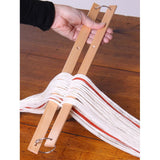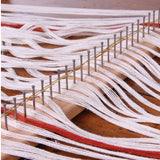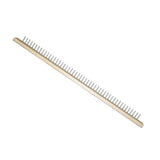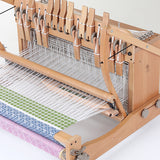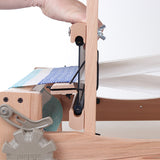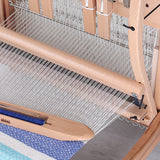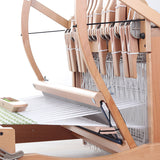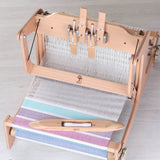


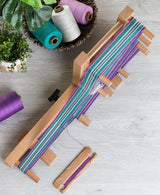




























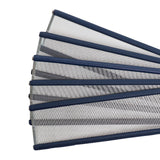
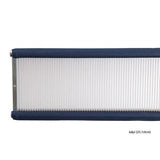
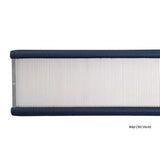
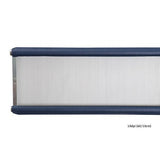
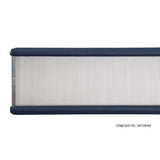

Ashford Stainless Steel Reeds


Struggling with inconsistent sheds or warp tension that just won’t behave? Ashford Stainless Steel Reeds are precision-crafted to help you weave with confidence, rust-resistant, reliable, and made to fit seamlessly into your Ashford loom.
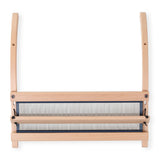
Every weaver knows that a reed can make or break the rhythm of your work. Ashford’s Stainless Steel Reeds are made to support your craft with the consistency and durability you deserve. Whether you’re threading up a new project or deep into a multi-shaft weave, these reeds keep your warp beautifully spaced and your shuttle flowing freely, no snags, no rust, no fuss.
Made in Sweden and designed specifically for Ashford looms, they offer the kind of dependable quality that lets you relax into the process. With a range of dents and sizes to suit your loom, you’ll be able to match the reed to your project, bringing structure and clarity to every pick.
These are the tools you don’t have to think about, and that’s the point. With the right reed in place, your focus returns to the joy of the weave, the feel of the yarn, and the story you’re creating on the loom.
Key Features & Benefits
- Precision-made stainless steel for rust-resistant durability
- Keeps warp threads evenly spaced and tensioned
- Smooth shuttle path helps prevent skips and snags
- Multiple dent options to suit different yarns and project styles
- Designed to fit Ashford table and floor looms perfectly
- Easy to clean and long-lasting, an investment for years of weaving
1 x Stainless Steel Reed (selected size and dent)
- Material: Swedish stainless steel
- Height: 12.5cm (5")
- Available dents: 6, 8, 10, 12, and 16 dpi
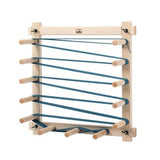
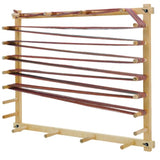
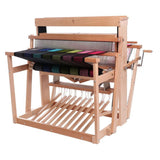
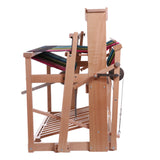
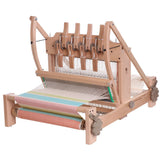
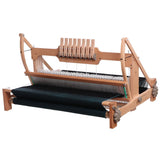
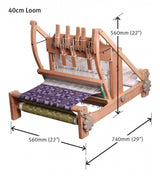
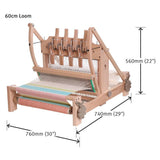
- Compatible looms: Katie Loom (31cm), Table Loom (41cm, 61cm, 80cm), Jack Loom (97cm), Brooklyn Four Shaft Loom, Eight Shaft Table Loom, Four Shaft Table Loom
- Assembly: Fully Assembled

- 2.5 DPI (10/10) - 14 ply yarn (fleece rug, fabric weaving, and art yarns)
- 5 DPI (20/10) - 12ply yarn (fleece rug, fabric weaving, and bulky yarns)
- 7.5 DPI(30/10) - 8ply yarn (double knit and novelty yarns)
- 10 DPPI (40/10) - 4ply yarn
- 12.5 DPI (50/10) - 2ply fine yarn (cotton, silk, etc.)
- 15 DPI (60/10) - 2ply fine yarn (cotton, silk, etc.)
When choosing a dent reed, select the size based on your desired ends per inch (EPI), which determines the spacing of your threads. For example, a 10-dent reed spaces threads at 10 EPI, while a 15-dent reed spaces threads at 15 EPI. If your desired EPI doesn’t match the reed size, you can adjust by placing multiple threads in each slot (e.g., for finer threads at 30 EPI, you might use a 10-dent reed spaced 3,3,3 or a 15-dent reed spaced 2,2). The type of yarn (thicker or finer) also affects the reed choice: thicker yarns may require a lower dent reed, while finer yarns may need a higher dent reed. Always test your reed with a few threads to ensure the correct EPI and thread spacing.
While designed for Ashford looms, they may fit other brands if dimensions match; verify measurements before purchasing.
Wipe with a soft cloth to remove dust; for machine oil residue, use mineral spirits or 99% isopropyl alcohol.
Yes, stainless steel resists rust and corrosion, making them suitable for humid climates.
Stainless steel reeds resist rust and require less maintenance compared to carbon steel reeds.
Gently wipe with a soft cloth; the coating will wear off naturally with use.
Ensure the reed is clean, smooth, and appropriate for the yarn type. Use a reed with a higher dent count for finer yarns to reduce friction. When warping, maintain even tension across all threads to avoid uneven wear, and advance the warp in small increments during weaving to distribute the tension more evenly. By selecting the right reed, maintaining consistent tension, and keeping the reed free of debris (dust/nepps), you can reduce the risk of yarn damage and ensure a smoother weaving process.
Yes, they are versatile and suitable for various yarn types, including cotton and wool.
Store in a dry, clean environment to prevent moisture or dirt from causing damage. It's ideal to wrap the reed in cloth or a protective cover to shield it from dust and physical impact. For long-term storage, always store the reed in a supported position, such as lying flat or hanging vertically, to avoid bending or warping. Proper storage helps maintain the reed's integrity and ensures it remains in optimal condition for future use.