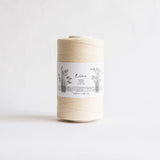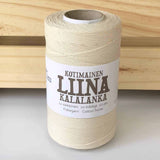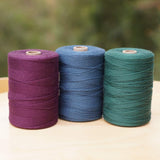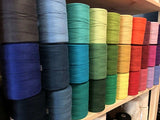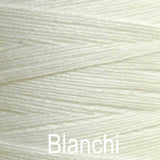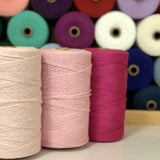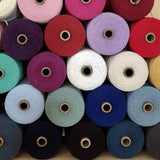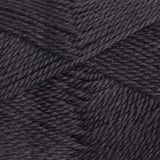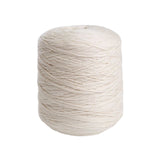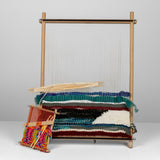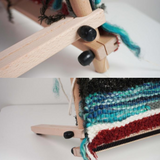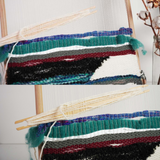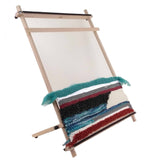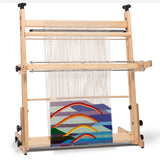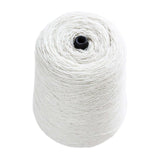
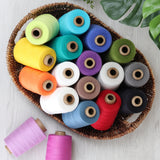
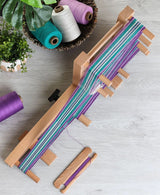
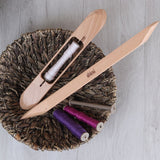
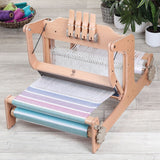
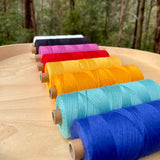




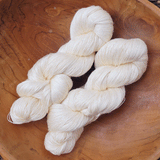






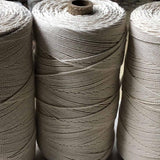
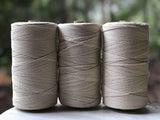
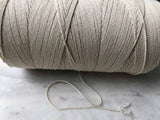


Seine Cotton Twine - Tapestry and Rug Warping Yarn - 454g


If your warps sag, shift, or lose tension midway through a tapestry or rug project, you're not alone. Seine Twine provides a tight, stable base that stays in place—woven from tightly twisted cotton with virtually no stretch, it’s designed to withstand pressure and remain steady.
It’s disheartening to put time and effort into planning a tapestry or rug warp, only to have the fibres slip, stretch, or lose tension partway through. The frustration grows when your materials can’t keep up with your design, and suddenly, your rhythm is gone. You want a warp that’s strong, predictable, and gets out of your way.
That’s why using the appropriate warping yarn makes such a difference. Seine Twine was originally made for the fishing industry, so it's built to be tough, dependable, and highly structured. With its dense twist and no noticeable stretch, it gives your tapestries and rugs the sturdy foundation they need to shine—no mid-project warping, no slipping, no second-guessing your tension. You can settle into your making, knowing your base is solid.
There’s a quiet confidence that comes with using the right materials. You’ll notice your process feels smoother, more focused, and your outcomes more polished. With Seine Twine, it’s easier to stay in flow and bring your creative vision to life, exactly how you imagined it.
Key Features & Benefits:
- Zero-stretch cotton structure: Keeps tension even and secure across large warps
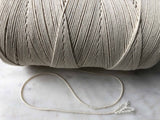
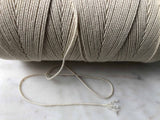
- Rope-style twist: Extremely tight spin for minimal movement under tension
- Three size options: Choose from #12, #9, or #6 to suit your project needs
- Multi-craft use: Great for tapestry, rug weaving, macramé, and structured knotting
- Durable and strong: Originally designed for heavy-duty fishing, now a weaver’s favourite
1 x 454g spool of Seine Cotton Twine in your chosen size (#12, #9, or #6)
- Fibre: 100% Cotton
- Sizes:
- #12 – 1260 yds/lb (2540 m/kg)
- #9 – 672 yds/lb (1355 m/kg)
- #6 – 840 yds/lb (1693 m/kg)
- Spool Weight: 454g (1lb)
- Construction: Rope-like twist (e.g., 4/12/2 or 5/12/3)
- Stretch: Very low
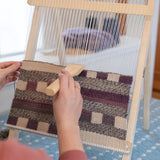
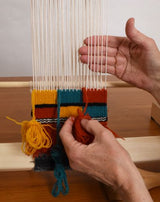
Seine twine is primarily used as warp yarn in tapestry and rug weaving due to its exceptional strength, minimal stretch, and abrasion resistance. It holds high tension well, making it ideal for creating durable and stable woven foundations for intricate designs.
Seine twine is tightly twisted, similar to rope, which results in a strong, stable yarn with very little stretch. This construction enhances its durability and makes it capable of withstanding the tension required in tapestry and rug weaving.
The numbers on the Seine twine indicate how it was constructed. For example, the #12 Seine is made from 4 strands of size 12 thread twisted together (like a single twist yarn) and this 4/12 is plied with another 4/12 (the 2).
Although each size of Seine Cotton Twine uses the same base thread size (12), the number of strands and plies differs, which affects the final thickness:
- #9 (5/12/3) – 5 strands per ply, with a total of 3 plies → thickest
- #6 (4/12/3) – 4 strands per ply, with a total of 3 plies → slightly finer than #9
- #12 (4/12/2) – 4 strands per ply, with a total of 2 plies → finest
Cotton Seine twine is preferred because of its combination of strength, slight stretch, and excellent grip on the loom. Unlike synthetic warps, it absorbs dye well, holds tension consistently, and provides a stable base for detailed weaving patterns.
Yes, Seine twine is strong and durable, making it a great choice for macramé. Its minimal stretch ensures secure knots, while its rope-like texture adds a distinctive look to wall hangings, plant holders, and decorative macramé projects.
Seine twine has a tighter twist than many other warp yarns, providing superior durability and minimal elasticity. Unlike looser twisted cotton warps, which may stretch over time, Seine twine maintains its shape and tension, making it a reliable option for professional tapestry weaving.
Yes, Seine twine is an excellent choice for beginners. Its stability and strength make it easier to warp a loom correctly, reducing the chance of breakage or excessive stretching. Its smooth yet firm texture also helps new weavers create even tension across their projects.
Yes, Seine twine is available in various sizes, including #6, #9 and #12. The size chosen depends on the weaving technique and project requirements, with finer twines used for delicate work and thicker ones for larger, more durable pieces.
Yes, while typically used in its natural color, Seine twine can be dyed using fiber-reactive dyes for cotton. Pre-washing the twine before dyeing helps achieve even color absorption, making it possible to customize warp colors for specific weaving projects.
The recommended sett for 12/6 Seine twine depends on the weft thickness and desired fabric density. It typically ranges from 6 to 12 ends per inch (epi). A looser sett works well for decorative wall hangings, while a denser sett is used for functional rugs and tightly woven tapestries.