



The Lifecycle of Handmade Fabric
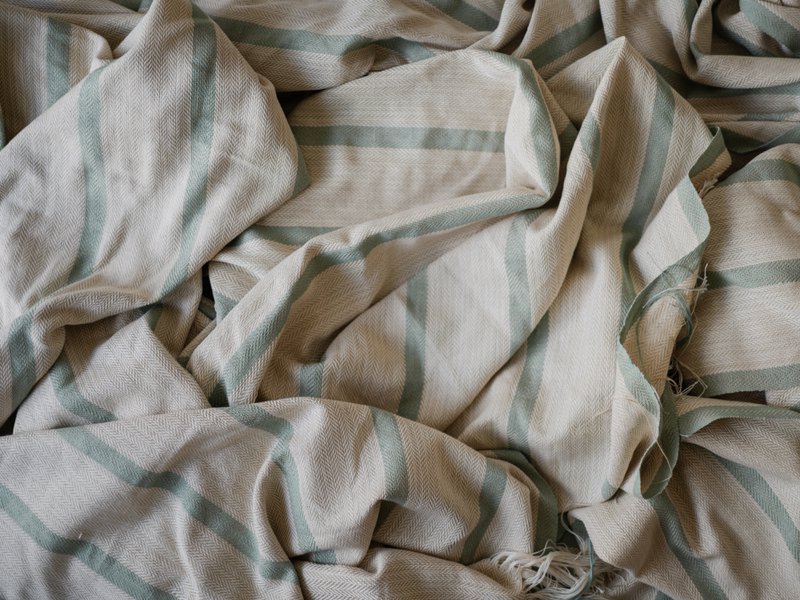
Handmade fabric takes hours to make and, if you care for it well, years to wear out. That gap between quick and slow is where most of its value sits. Whether you're weaving cloth on a loom, knitting a garment on needles, crocheting with a hook, or spinning your own yarn from raw fibre, you make dozens of small decisions that a factory would otherwise make for you. Each one shapes how your handmade fabric looks, wears, and eventually breaks down.
This guide walks through the full lifecycle of handmade fabric, from where the fibre comes from to what happens once the piece wears out.
The Seed of an Idea
Every handmade fabric starts as an idea. Maybe it's a jumper for winter, a scarf for a friend, a set of placemats, or a shawl in colours that remind you of somewhere you love. The idea matters because it sets the intention for everything that follows. This stage costs nothing and needs no materials, just a bit of thinking about what you actually want to make and why.
Choosing Materials
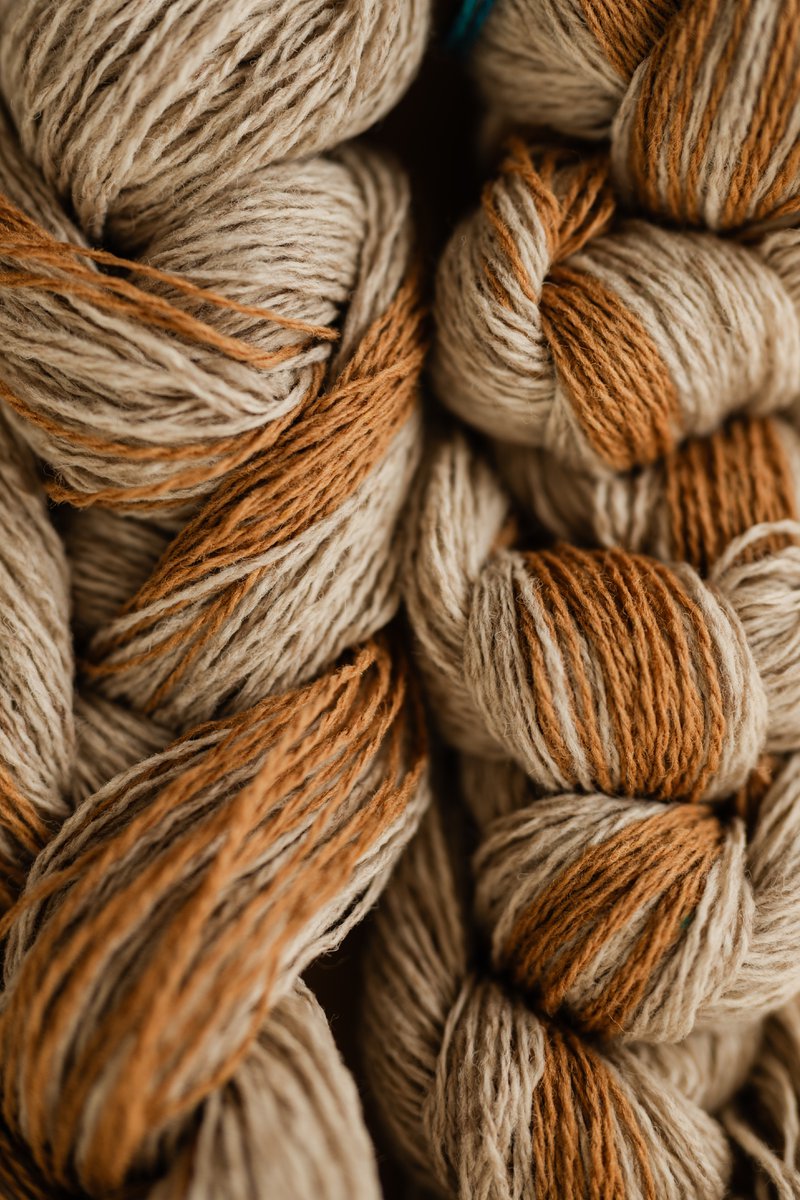
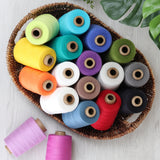
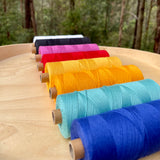
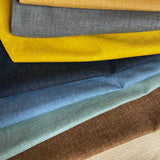
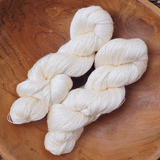
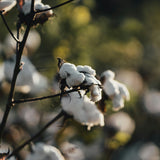
Once you have an idea, the next step is choosing fibre. This is one of the most consequential decisions in the whole process. Wool insulates and felts. Linen is strong and cool to the touch, and it softens with every wash. Cotton takes dye evenly and is easy to care for. Silk drapes and holds a sheen no other fibre quite matches. Each one behaves differently on a loom, on needles, on a hook, or on a spinning wheel.
Where the fibre comes from is worth a closer look too. Sheep produce wool. Plants produce cotton and linen. Each has its own farming footprint in terms of water use, land management and animal welfare. If sourcing matters to you, look out for certifications. The Global Organic Textile Standard (GOTS) covers organic fibre production from farm through to finished yarn, including environmental and labour standards at every stage. Something similar exists specifically for wool: the Responsible Wool Standard (RWS), which covers animal welfare and land management, and requires that the wool isn't from mulesed sheep. Neither certification is compulsory, so plenty of good yarn won't carry a logo, but they're worth learning to recognise.
Thread Collective stocks a range of fibres so you can match the materials behind your handmade fabric to your own values, whether that's organic cotton, responsibly sourced wool, or a base you already know and trust.
Planning and Design
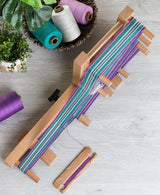
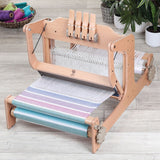
With your fibre chosen, the next stage is planning. A knitter or crocheter might start by picking a pattern and swatching for gauge. Deciding on structure, colour, sett and loom comes first for a weaver: a rigid heddle loom for smaller pieces, a floor loom for wider or more complex fabric. A spinner, meanwhile, needs to settle on the yarn's twist, ply and weight before a single fibre is drafted.
Good planning also means thinking about end use and the durability that use actually requires, rather than defaulting to "sturdier is better" across the board. A lace shawl or an openwork wrap sees very little friction in daily life. A finer, more delicate yarn is not just acceptable here but often the right choice, since it lets the pattern and drape do their job without fighting a heavy fibre. A tea towel, a dishcloth, or anything handled and washed constantly needs the opposite: a tightly spun yarn or a firmly beaten weave that can take repeated abrasion without pilling or wearing through. Matching the structure to how the piece will actually be used is what makes it last as long as it should.
Preparing the Yarn
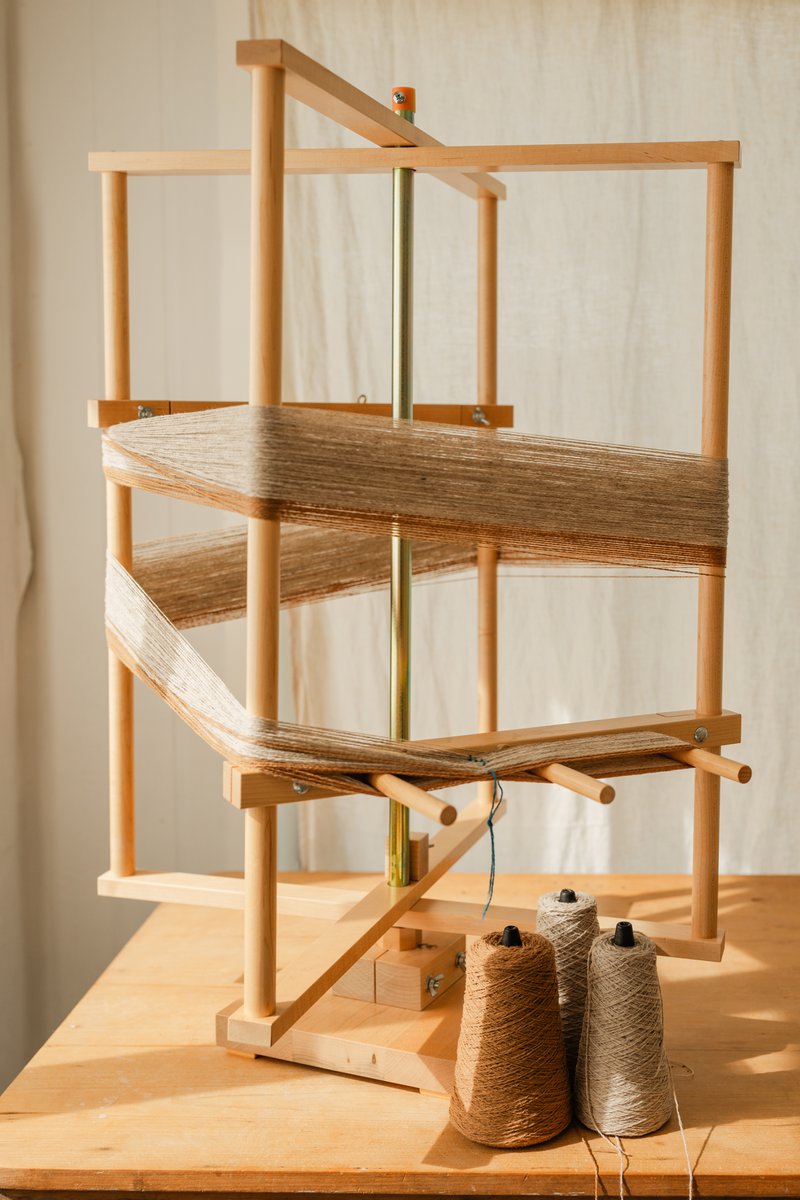
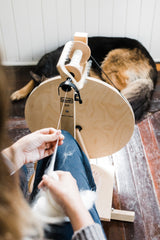
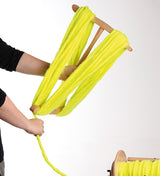
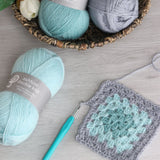
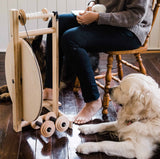
There's usually preparation before the making really begins. A weaver winds and threads a warp, the lengthwise threads that form the foundation of the cloth, at an even tension through the heddle and reed. A knitter or crocheter winds skeins into balls or cakes. A spinner drafts raw fibre, drawing it out and adding twist to turn it into usable yarn.
This stage is unglamorous but it sets up everything that follows. Uneven tension in a warp shows up later as puckering. Inconsistent drafting in handspun yarn shows up as thick and thin patches in the finished skein. Taking the time here pays off later.
The Act of Making
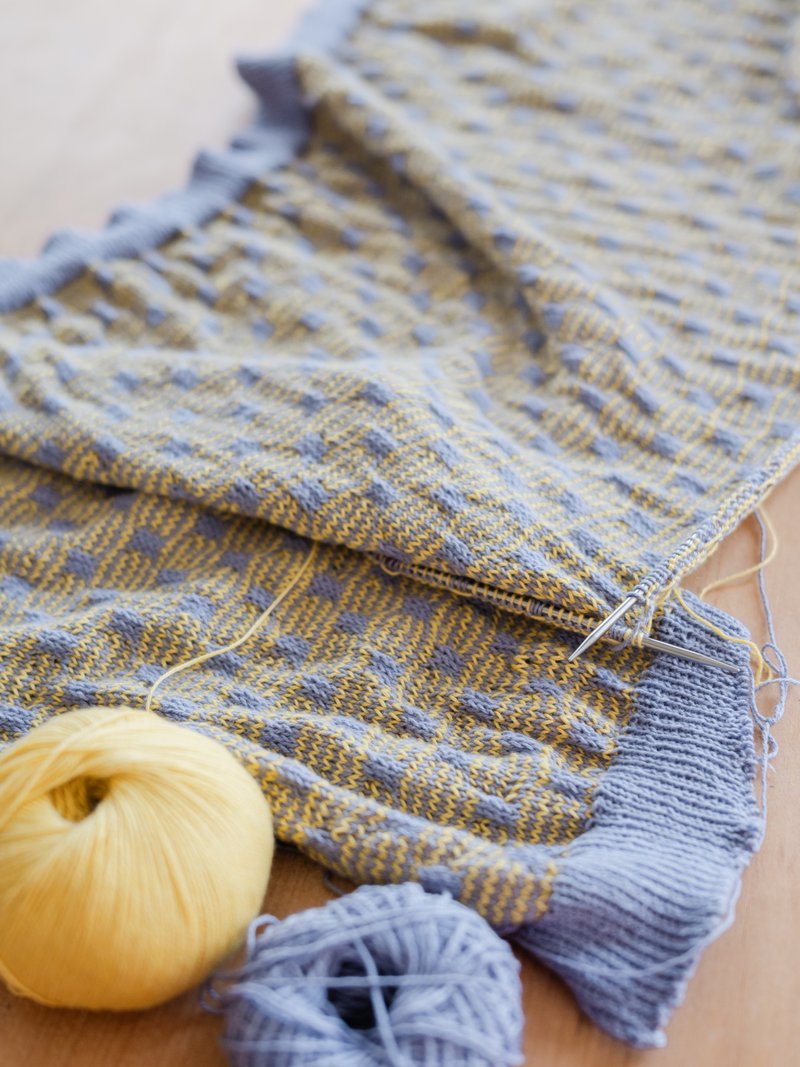
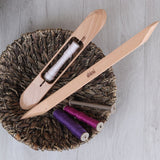
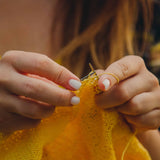
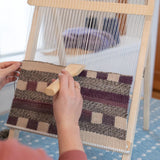
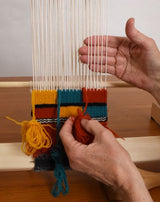
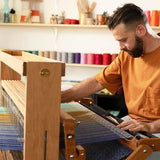
This is where warp and weft actually meet for weavers: throw the shuttle, beat the weft into place, change the shed, repeat. It's repetitive in the best sense, and many weavers find a rhythm in it that borders on meditative. Knitting and crochet have their own version of this rhythm, stitch after stitch, row after row. Spinning has it too, in the steady draft and twist of fibre becoming yarn.
No handmade piece is perfectly even, and that's worth saying plainly. Selvedges pull in slightly on a woven piece, tension varies row to row in knitting, and small inconsistencies show up in every handspun skein. These aren't defects so much as evidence that a person, not a machine, made the piece.
Finishing Touches
Most pieces need finishing once the main work is done. A weaver usually wet finishes woven cloth: washing and pressing it to set the fibres and even out the weave. A knitter or crocheter blocks their piece, washing and shaping it to size before letting it dry flat. A spinner sets handspun yarn with a wash and a snap to help the twist settle.
Finishing considerably changes the hand of a piece. Many makers are surprised by how much a plain-looking fabric transforms once it's been washed, pressed or blocked.
To learn more about finishing your handmade items, please visit our articles relevant to your specific craft:
- How to Block Your Knitting and Crochet for a Professional Finish
- Finishing Handspun Yarn: The Essential Techniques
- A Beginner's Guide to Finishing Your Handwoven Projects
The First Use
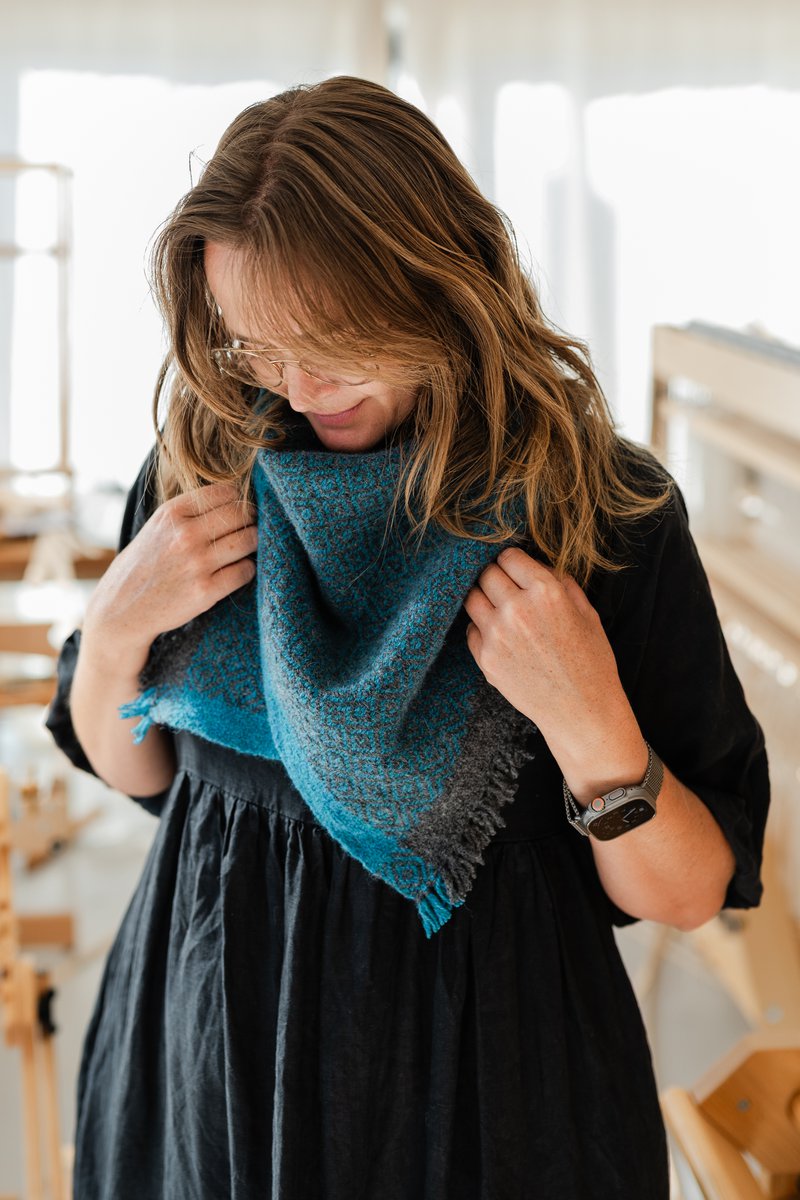
The first time you use a piece of handmade fabric, whether it's worn, hung or laid across a table, is the point where all the earlier decisions pay off. Take a moment to notice everything that had to happen for that piece to exist.
Everyday Interactions
The lifecycle of your handmade fabric depends heavily on how it's used and cared for from here. Natural fibres age in a way synthetic ones don't with regular use. Wool softens. Cotton and linen grow more supple. Colours mellow slightly over time. This is a normal and often welcome part of a fabric's life, not a sign it's wearing out.
Caring for Your Textile
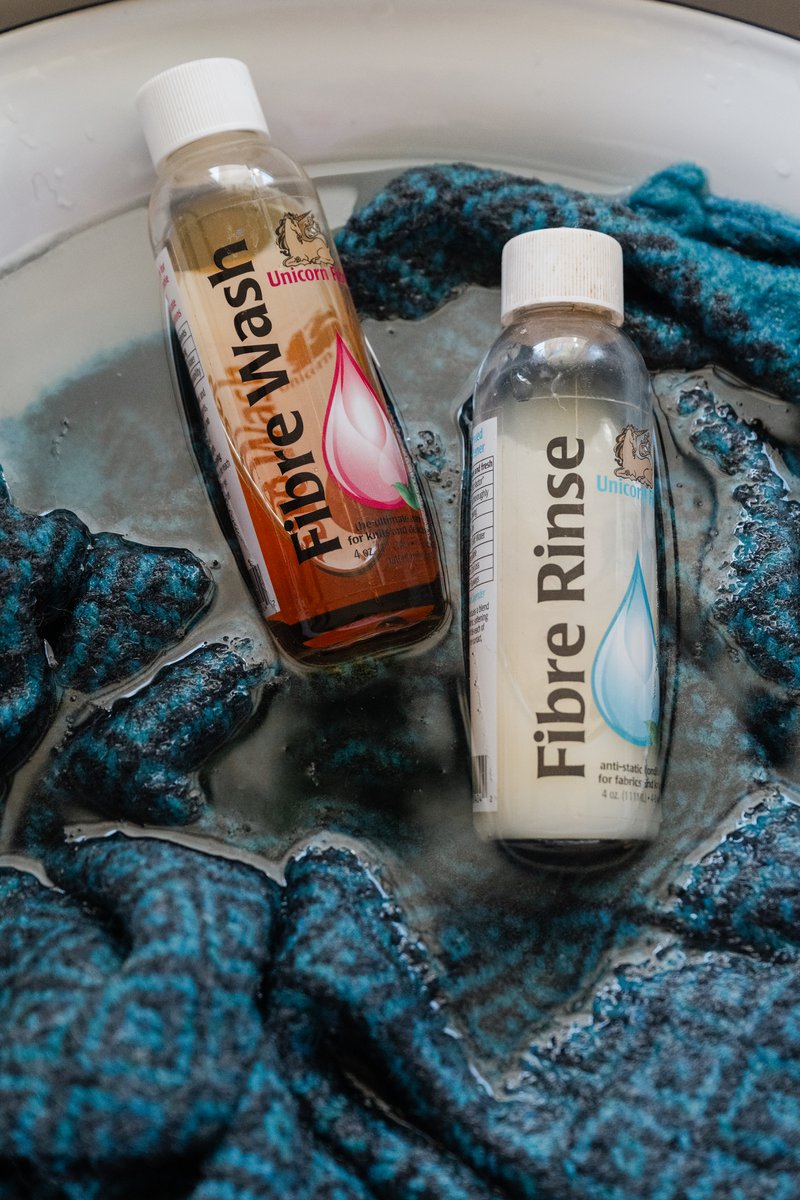
Natural fibre generally rewards gentle handling: cooler washes, air drying, and mending small issues before they become large ones. This matters more than it might seem. Australians currently send more than 200,000 tonnes of clothing to landfill every year, and a significant share of what's discarded could have stayed in use with basic repair or better care. Keeping a handmade fabric mended and in circulation for years does more for the planet than replacing a piece after one season, no matter how it was made.
The Emotional Life of Textiles
Handmade pieces tend to carry more meaning than bought ones. A jumper knitted for a new baby, a shawl woven for a wedding, a blanket crocheted through a hard year: these things accumulate memory in a way mass-produced items rarely do. This isn't a marketing line, just a fairly common experience among people who make things by hand. It's part of why mending and keeping a piece matter more than replacing it.
The Environmental Impact
Fibre choice has its biggest long-term consequence here. Natural fibres are biodegradable, meaning microorganisms can break them down under the right conditions. Wool is composed of keratin, the same protein found in hair. It decomposes over months to a few years in soil, releasing nitrogen back into the ground as it goes. Cotton and linen, being plant-based, break down even faster under good composting conditions.
None of this happens quickly in landfill, where a lack of oxygen and moisture slows decomposition for any material, natural fibre included. Synthetic fibres like polyester and nylon tell a different story. They don't biodegrade at all, and instead persist for decades before gradually breaking into microplastic fragments. Choosing to make handmade fabric from wool, cotton, linen or silk gives the piece somewhere to go at the end of its life, rather than leaving it to fragment and linger.
The Social Dimension
Fibre crafts have always been social. Weaving guilds, knitting groups, crochet circles and spinning gatherings exist in most communities, and real skill gets passed on there, often more effectively than any written pattern can manage. Sharing your work, asking for help when a project goes wrong, and teaching someone else a skill you've learned are all part of how these crafts continue.
Transcending the Ordinary
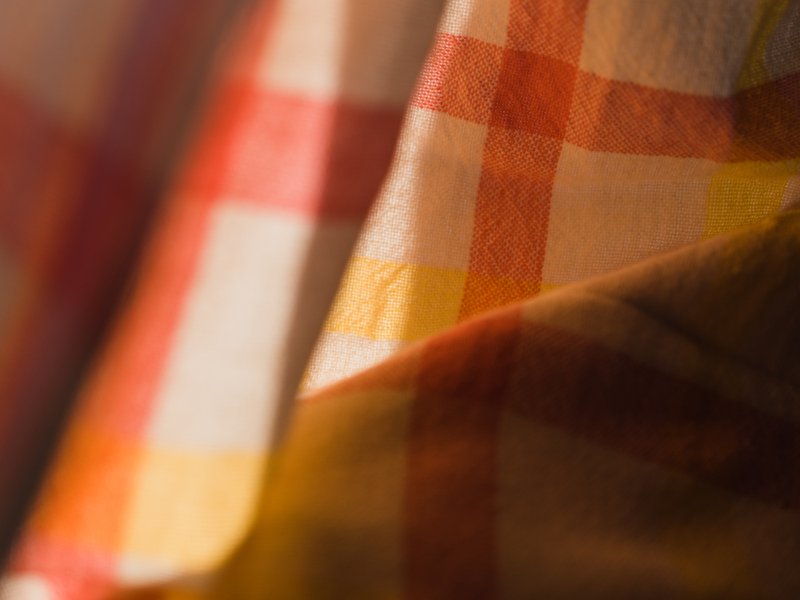
It's hard to look at bought textiles the same way again once you've made your own handmade fabric, even just once. You'll start noticing sett, gauge, ply and finish in things you'd never have looked twice at before. That shift in attention is one of the quieter rewards of making things by hand.
Beginning Your Own Journey
The barrier to entry is lower than it looks if any of this has you keen to start, or to pick up a craft you've let lapse. A rigid heddle loom, a set of needles, a crochet hook, or a drop spindle are all reasonably accessible starting points. Thread Collective carries a wide range of tools and fibre to suit beginners through to experienced makers.
Embracing Creativity and Purpose
Making your own handmade fabric isn't only about ending up with a finished object. It's a chance to slow down, choose your materials deliberately, and see a piece through from raw fibre to something you'll actually use.
A Life Made by Hand
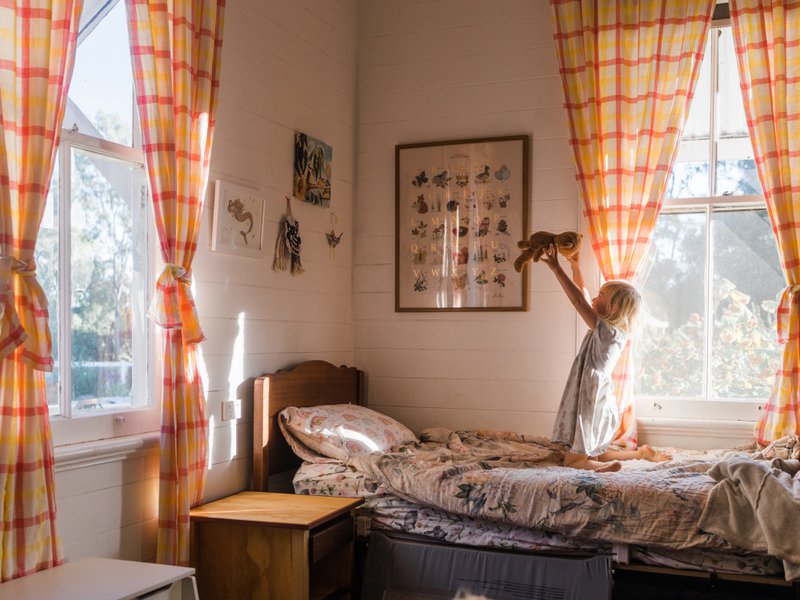
Consider the curtains pictured, woven by a mother for her daughter's bedroom. They started as an idea, then fibre, then hours at the loom, thread by thread. Now they hang in the afternoon light, filtering it into something softer, marking the start and end of a thousand ordinary days: bedtime stories, sick days home from school, mornings too bright to sleep in. Years from now, that fabric will have softened with handling and sun, maybe been taken down and remade into something else, maybe patched at a worn corner rather than replaced. Eventually, the fabric will return to the earth it came from, as natural fibre always does.
That's the real shape of a handmade fabric's life: not a single moment of finishing, but decades of being lived alongside. Few things you buy off a shelf get to hold that kind of history.
If you're ready to start weaving, knitting, crocheting or spinning something that might hang in a window or wrap around someone you love for years to come, Thread Collective's range of looms, needles, hooks and fibre is a good place to begin.
Share this article on your favorite platform:
Table of Contents
- The Seed of an Idea
- Choosing Materials
- Planning and Design
- Preparing the Yarn
- The Act of Making
- Finishing Touches
- The First Use
- Everyday Interactions
- Caring for Your Textile
- The Emotional Life of Textiles
- The Environmental Impact
- The Social Dimension
- Transcending the Ordinary
- Beginning Your Own Journey
- Embracing Creativity and Purpose
- A Life Made by Hand
