





Crochet Gauge Swatch: What It Actually Tells You
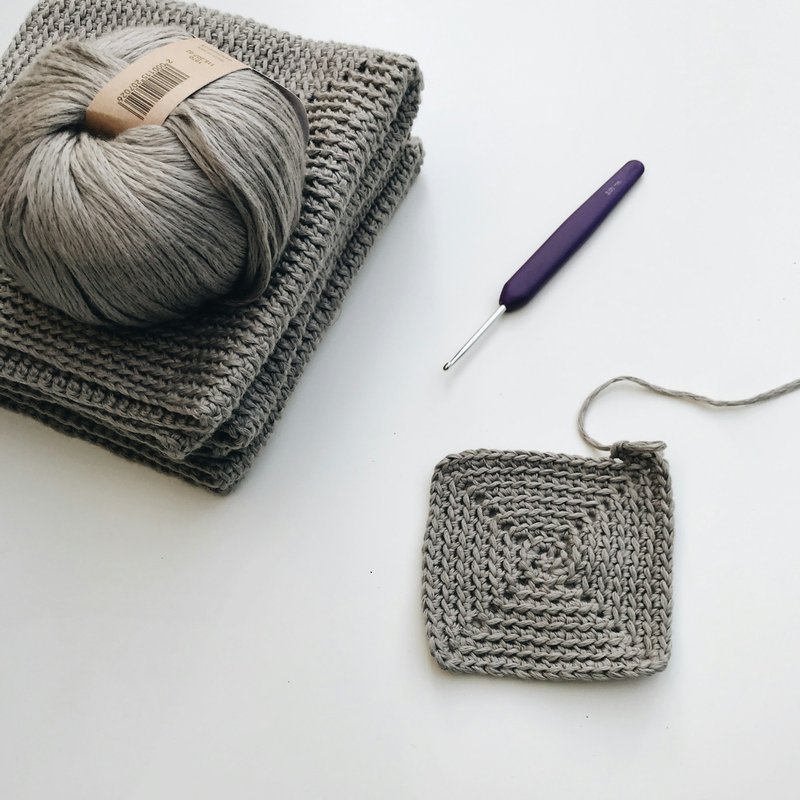
Starting a new crochet project is always exciting, but making a crochet gauge swatch rarely tops anyone's list of fun. After choosing your yarn and hook, you're eager to jump in, so pausing to create a sample that won't even be part of your final masterpiece can seem like a detour you'd rather skip.
A lot of crocheters skip this step, thinking that using the suggested yarn and hook will guarantee the right size. Some think gauge only matters for clothing, or that experience means you can skip it. But these ideas often lead to projects that don't fit or look the way you want.
A crochet gauge swatch does more than help you match a pattern's numbers. It shows how your yarn, hook, and technique work together. A swatch lets you see if your stitches are too loose or tight, if the yarn and stitch size give you the fabric you want, and how your project might change after washing and blocking.
You can think of a gauge swatch as a preview of your finished project. Instead of finding problems after hours of work, a swatch lets you make small changes before you use a lot of time or yarn. This habit can save you frustration, help you improve, and make you feel more confident whenever you start something new.
What Is a Crochet Gauge Swatch?
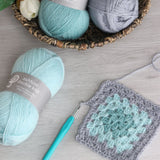
A crochet gauge swatch is a small piece of fabric made with the same yarn, hook, stitch pattern, and technique as your project. It might only take about half an hour to make, but it gives you important information that can help your whole project turn out well.
Most crochet patterns include a gauge measurement, which might look something like this:
16 single crochet stitches and 18 rows = 10cm (4 inches)
This doesn't mean you crochet a 10cm square and hope it works out. It means that if you crochet with your normal tension, you should have 16 stitches and 18 rows in a 10cm square. The goal is to see if your crochet matches the designer's.
If your gauge matches, you can be confident your finished project will be close to the pattern's measurements. If it doesn't, you'll know to make changes before starting the full project.
Why Crochet Gauge Matters
Gauge affects nearly every part of a crochet project, from the final size to how it drapes and feels. Even small changes in stitch size can make a big difference over many stitches.
A small increase in stitch size might not seem like much, but over a whole garment or blanket, it can add several centimetres to the final size. On the other hand, tighter stitches can make your finished piece much smaller.
For things like dishcloths or simple scarves, exact gauge isn't as important. But for garments, hats, gloves, socks, or anything that needs to fit, getting the gauge right is essential. These projects rely on precise measurements, and even small changes can affect how they fit and look.
Checking your crochet gauge swatch at the beginning can save you hours of disappointment later. It's much easier to change your hook size after making a small swatch than to undo a big part of your project.
What Your Crochet Gauge Swatch Actually Tells You
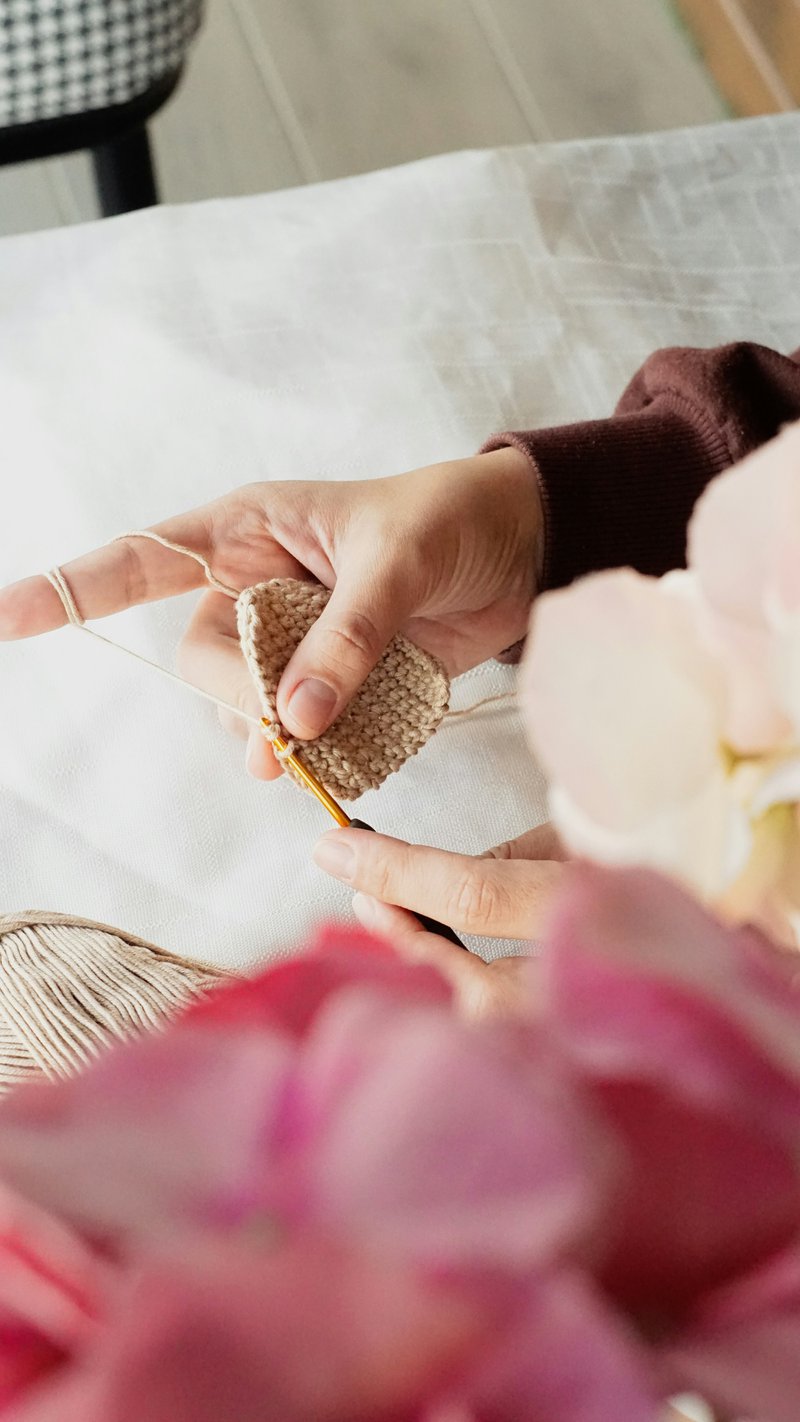
Many crocheters think a gauge swatch is just for finding the right hook size. In fact, it gives you helpful information about your technique, your materials, and how your project will probably turn out.
1. It Shows Whether Your Tension Matches the Designer's
Every crocheter has their own tension. Some crochet tightly, while others are looser. This means two people using the same pattern, yarn, and hook can still get different results.
A gauge swatch lets you compare your tension to the designer's. If your stitch count matches, your project will probably be the right size. If not, you can adjust before spending a lot of time. Always make gauge swatches. No matter how skilled you get, your personal tension is always unique.
2. It Helps You Choose the Right Hook Size
A common misconception is that the hook size in a pattern is mandatory. In fact, it is simply the size the designer used to achieve the stated gauge.
If your stitches are larger than specified, use a smaller hook. If they are too tight, try a larger hook. The recommended hook is a starting point, not a guarantee of matching results.
This flexibility is why crochet hook sets include multiple sizes with small increments. Minor adjustments can significantly affect your finished fabric.
3. It Reveals Whether You Like the Fabric
Matching gauge is not the only objective. Your swatch also helps you determine if you like the resulting fabric.
Check if the fabric is soft enough for a garment, too stiff for a shawl, open enough for lace, or denser than you want. Think about whether the drape and weight fit your project.
You'll only notice these things after making a sample. If the fabric isn't right, you can try a different hook or yarn before starting the full project.
4. It Shows How Your Yarn Behaves
Yarns of the same weight can behave differently. For example, two DK weight yarns may produce distinct textures depending on fibre content, twist, and construction.
A merino wool yarn may create a soft, springy fabric, while a cotton yarn of the same weight might produce crisp stitch definition with very little stretch. Linen often softens after washing, and alpaca can become noticeably heavier once worked into a larger project.
Your crochet gauge swatch gives you an early idea of how your yarn will act. It helps you decide if it works for the pattern or if you should try a different yarn to get the result you want.
5. It Gives You a Chance to Practise the Stitch Pattern
If you're trying a new stitch pattern, the gauge swatch is also good practice. By the time you finish, the pattern will probably feel more familiar.
This way, when you start your real project, you're less likely to make mistakes or stop often to check the instructions. It's a small benefit that's easy to miss, but it can make the rest of your project much more enjoyable.
Why Measuring a Small Square Isn't Enough
A common mistake is making exactly the number of stitches and rows in the gauge instructions, then measuring the square. While this seems logical, it usually doesn't give you an accurate result.
The stitches at the edges of a swatch aren't as stable as those in the middle. Foundation and turning chains can pull the edges out of shape, which can make your measurements less accurate.
Instead, most experienced crocheters make a swatch that's bigger than the measurement you need. If the pattern says to measure 10cm, it's better to make a swatch about 15 to 20cm wide and tall. This way, you can measure the centre, where the stitches have settled, for a more accurate gauge.
A bigger swatch also helps you see the fabric's drape, texture, and stitch definition better than a small sample would.
How to Crochet a Gauge Swatch Properly
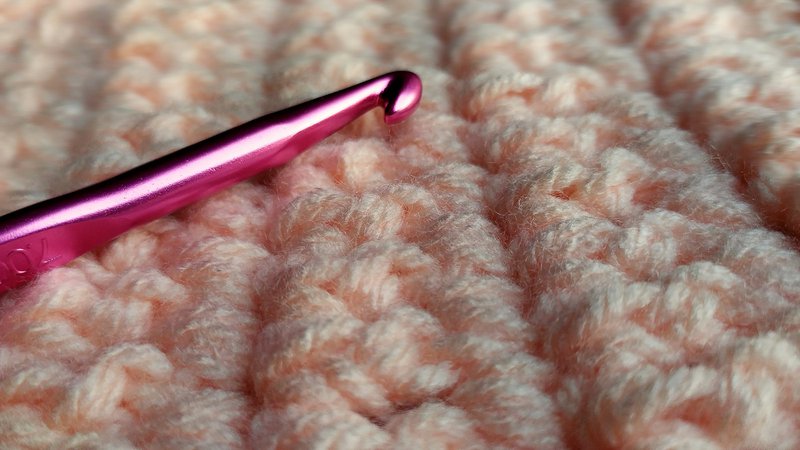
Every crochet project is unique, but the process of making a crochet gauge swatch is much the same regardless of the pattern you're following. Taking the time to make your swatch properly will give you the most accurate results, helping you avoid sizing issues and ensuring your finished project looks and fits as intended.
Use the Stitch Pattern Specified in the Pattern
Always crochet your swatch using the exact stitch pattern listed in the gauge instructions. If the pattern specifies half double crochet, don't substitute single crochet because it's quicker or more familiar. Different stitches naturally produce different gauges, even when worked with the same yarn and hook, so matching the stitch pattern is essential for accurate results.
Make Your Swatch Larger Than the Gauge Measurement
Rather than crocheting a square that's exactly 10cm, make your swatch larger than the area you'll be measuring. This gives the stitches room to settle and allows you to measure the centre of the swatch instead of the edges, where stitches are often distorted. Spending a few extra minutes on a larger swatch will give you a much more reliable measurement.
Crochet as You Normally Would
Resist the temptation to tighten or loosen your stitches just to match the pattern's gauge. Crochet naturally, using the same tension and technique you would throughout the actual project. If you alter your tension while making the swatch, you'll almost certainly return to your normal crochet style once you begin the project, making the swatch inaccurate.
Finish the Swatch the Same Way You'll Finish the Project
Once you've completed your swatch, fasten it off and treat it exactly as you intend to treat the finished item. If the pattern recommends washing and blocking, do the same with your swatch before measuring it. Many fibres relax, shrink, or soften after their first wash, so measuring before this step can give misleading results.
Measure the Swatch Correctly
After the swatch has dried completely, lay it flat on a smooth surface without stretching it. Using a ruler or gauge measuring tool, measure the centre 10cm of the swatch rather than the edges, then count both the stitches and the rows within that area. Comparing these numbers to the pattern's gauge will tell you whether your tension matches the designer's or whether you need to adjust your hook size before starting your project.
Following these steps only takes a little extra time, but it can make a significant difference to the outcome of your crochet. A well-made crochet gauge swatch gives you confidence that your project will have the correct size, drape, and fit, allowing you to start crocheting knowing you're setting yourself up for success.
What to Do If Your Gauge Doesn't Match
It's totally normal if your first gauge swatch doesn't match the pattern. Many experienced crocheters expect to make at least two swatches before getting the right gauge, especially with a new yarn or stitch pattern.
If you have more stitches in 10cm than the pattern says, your stitches are smaller than the designer's. This means your tension is tighter, and your finished project will probably be smaller. The easiest fix is to use a larger hook and make another swatch.
If you have fewer stitches in 10cm, your stitches are bigger, and your crochet is looser than the designer's. In this case, using a smaller hook should help you get the right gauge.
It's best to make these changes one step at a time. Changing your hook by 0.5mm is often enough to see a difference, and making small changes helps you find the right gauge without going too far.
Don't Forget About Row Gauge
When people talk about gauge, they usually focus on stitch count. While stitch gauge is often the most important, row gauge matters too, especially for garments. Rows determine the length of sleeves, the depth of armholes, the placement of waist shaping, and the overall proportions of many wearable projects. If your row gauge is significantly different from the designer's, these elements may not line up correctly, even if your stitch count is perfect.
Some crochet patterns are flexible, letting you adjust measurements as you go if your row gauge is a bit off. Others are much stricter, so getting your row count just right really matters. If you find that your stitch gauge matches but your row gauge is a little different, try reading through the pattern to figure out which measurement matters most to the designer.
If only your rows are off, try adjusting your stitch height rather than changing hooks, since a new hook size will shift your stitch count too.
The "golden loop" technique is one way to do this. Pull the first loop of each stitch up a little higher before finishing it, and you'll get taller stitches with fewer rows per 10cm. Keep that loop tighter for the opposite effect.
Extended stitches work in a similar way. An extended single crochet, for example, adds a chain step into the base stitch, adding height without needing a different hook.
It's also worth checking your hand habits. Tugging down on your working yarn straight after pulling up a loop compresses row height without you realising it, so easing off that tug can bring your row gauge back in line on its own.
Why Fibre Content Makes Such a Difference
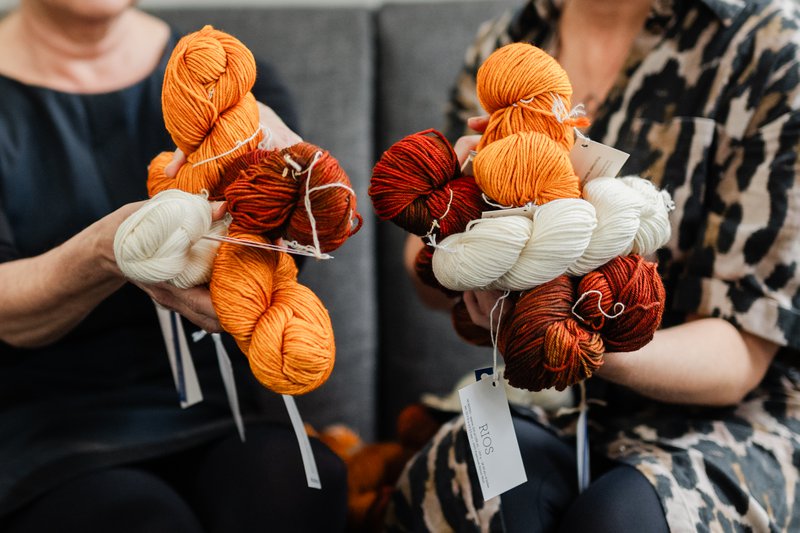
Many crocheters think yarn weight is all that matters when swapping yarns, but fibre content is just as important. Two yarns with the same weight can make very different fabrics, even if they have the same gauge.
Wool
Wool is naturally stretchy and helps stitches bounce back into shape. This makes it great for garments because it's flexible and comfortable but still holds its shape.
Cotton
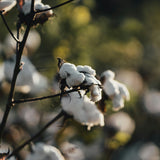
Cotton behaves very differently. It has very little stretch, giving excellent stitch definition and creating crisp fabrics that hold their shape well. However, cotton is also heavier than wool, particularly in larger garments, so the finished piece may drape quite differently than the designer intended.
Linen
Linen is another fibre that often surprises crocheters. Fresh from the ball, it can feel firm and slightly stiff, leading some people to think they've chosen the wrong yarn. After washing, however, linen softens beautifully and develops a lovely drape. A crochet gauge swatch lets you see this transformation before committing to an entire project.
Alpaca
Alpaca creates wonderfully soft fabrics with exceptional drape, but it lacks memory and can also stretch under its own weight. A cardigan that fits perfectly straight off the hook may become noticeably longer after several wears if the behaviour of the yarn wasn't taken into account. Swatching and blocking provide a much clearer picture of how alpaca will perform.
Acrylic
Even acrylic yarns vary considerably between brands. Some remain stable after washing, while others soften or relax. Testing your chosen yarn first helps eliminate surprises later.
Common Gauge Swatch Mistakes
A gauge swatch is only as useful as the care you put into making and measuring it. Even experienced crocheters can make mistakes from time to time, but the good news is that most gauge problems are easy to avoid. By watching out for these common pitfalls, you'll get more accurate measurements and set yourself up for a successful project.
Making the Swatch Too Small
One of the most common mistakes is crocheting a swatch that's only the exact size of the gauge measurement. Measuring just a few stitches doesn't accurately reflect your natural tension because the edge stitches are often distorted. Making a larger swatch allows you to measure the centre section, where the stitches have settled naturally.
Measuring the Swatch Too Soon
It's tempting to measure your gauge as soon as you've fastened off, but crochet fabric continues to relax after it's finished. Many fibres also change noticeably after washing and drying. Measuring before your swatch has been washed, blocked if necessary, and completely dried can result in inaccurate gauge readings and unnecessary hook size adjustments.
Using Different Materials or Changing Your Style
Your gauge swatch should be made with the same yarn, hook, and crochet technique you'll use for the finished project. If you normally crochet while relaxing in the evening but rush through your swatch during a lunch break, your tension may be quite different. Working under similar conditions will give you the most reliable results.
Ignoring Row Gauge
While stitch count is often the main focus, row gauge is equally important for many projects, especially garments and items with shaping. If your row gauge differs significantly from the pattern, it can affect sleeve lengths, armholes, necklines, and other carefully planned dimensions, even if your stitch gauge is correct.
Avoiding these common mistakes will help ensure your crochet gauge swatch provides an accurate preview of your finished project. A little extra attention at this stage can save you from having to unravel hours of work later, making the entire crochet experience much more enjoyable.
Do You Always Need to Make a Gauge Swatch?
Not every crochet project requires the same level of precision. If you're making a simple dishcloth, face washer, or rustic blanket where exact measurements aren't important, skipping the swatch is unlikely to cause major problems.
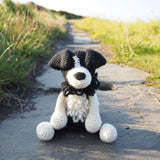
However, for projects where size and fit matter, a gauge swatch is well worth the effort. This includes garments, hats, socks, gloves, baby clothing, and many accessories. It's also particularly valuable when crocheting amigurumi, as tighter gauge helps prevent stuffing from showing through the stitches while creating a firmer, more polished finish.
Whenever a project relies on carefully calculated dimensions, spending a little time checking your gauge almost always pays off.
Build a Personal Swatch Library
Once you've made a few crochet gauge swatches, you'll start noticing patterns in the way you crochet. You may discover that you're consistently a little tighter than most designers or that certain fibres suit your crochet style better than others.
Rather than throwing your swatches away, consider keeping them in a folder or storage box. Attach a small label recording the yarn brand, fibre content, hook size, stitch pattern, and the date you made it. You might also note whether the swatch was washed, blocked, or steam blocked before measuring.
Over time, this collection becomes an incredibly useful reference. If you're considering a new project, you can compare previous swatches to predict how a similar yarn might behave. You'll also develop a much better understanding of which hook sizes typically help you achieve gauge with different fibres.
Seasoned crocheters often turn to their swatch collections for inspiration and guidance, whether they're swapping out yarns, tweaking a pattern, or dreaming up their next big project. This simple habit doesn't just save time and effort; it's like building a personal library that keeps rewarding you, project after project, year after year.
A Small Step That Makes a Big Difference
It's easy to think of a gauge swatch as an obstacle standing between you and the fun part of crocheting. In reality, it's one of the quickest ways to improve the outcome of your projects. Spending twenty or thirty minutes on a swatch is a small investment compared to the many hours you might spend crocheting a garment or blanket.
More importantly, swatching builds confidence. Instead of wondering whether your project will fit or whether the yarn will behave as expected, you begin with reliable information. You know your tension is correct, you understand how the fabric feels, and you've already had a chance to practise the stitch pattern.
As you keep crocheting, making a crochet gauge swatch can start to feel less like a chore and more like a natural part of creating something new. It's a great chance to get familiar with your yarn and hook, practice your stitches, and begin your project feeling prepared and confident.
Ready to Start Swatching?
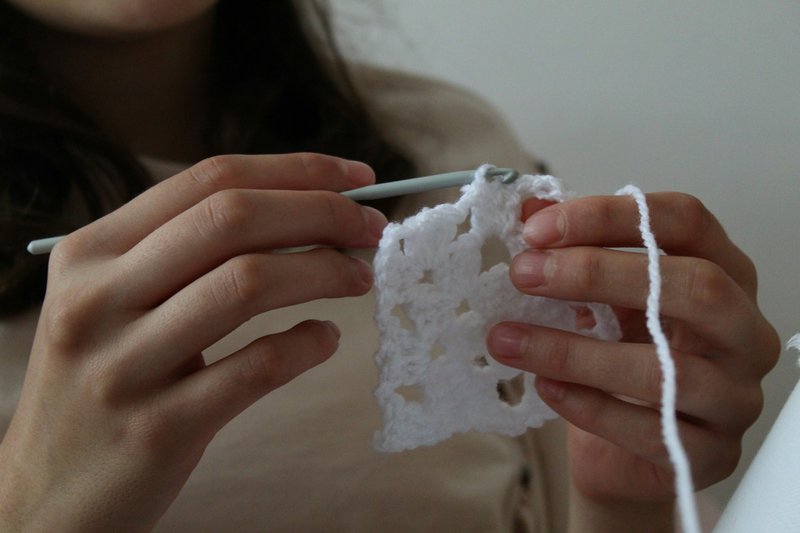
A crochet gauge swatch does far more than tell you whether you're using the right hook size. It gives you valuable insight into your tension, the behaviour of your chosen yarn, the drape and texture of the finished fabric, and whether your project is likely to match the designer's intended measurements. Those few extra minutes spent making and measuring a swatch can save countless hours of frustration, frogging, and disappointment later on.
So, if you're crocheting your first wearable or you're an experienced maker trying a new fibre or stitch pattern, always keep in mind that taking the time to swatch is one of the best habits you can develop. With quality crochet yarns, crochet hooks, crochet notions, and crochet patterns from Thread Collective, you'll have everything you need to create beautiful projects that fit well, feel wonderful, and are a pleasure to make from the very first stitch.
Share this article on your favorite platform:
