






















The Psychology of Amigurumi: Why Tiny Plushies Bring Joy
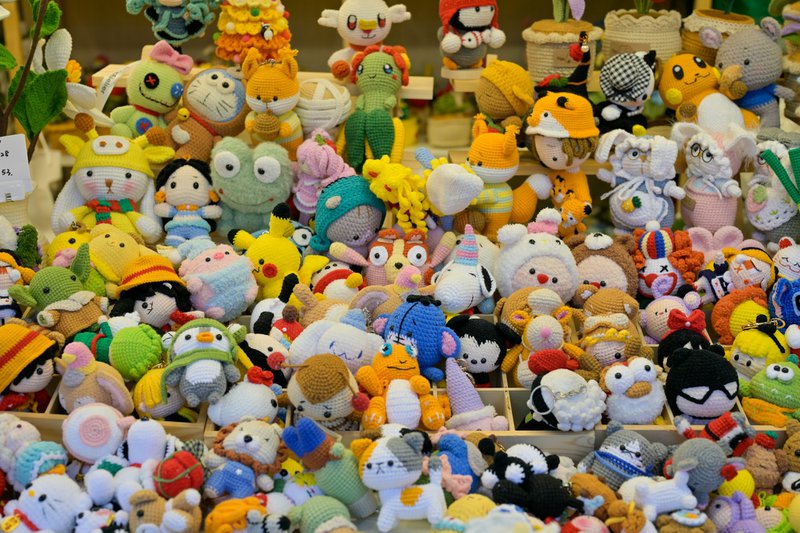
There’s something quietly magical about Amigurumi, wouldn’t you agree?
Maybe it’s the slow transformation as stitches build, round by round, into something that feels almost alive. Or the quiet satisfaction of holding a finished piece in your hand, soft, imperfect, and undeniably yours. Sometimes it’s as simple as adding a tiny face and realising you’ve created something entirely new.
Amigurumi, the Japanese art of crocheting small stuffed toys, has captured the hearts of makers around the world. From playful animals and dolls to comfort objects and keepsakes, these small creations offer a unique kind of joy. They are tactile, expressive, and deeply human, even when they’re a little wonky.
Part of their appeal is how approachable they are. Amigurumi projects are small, portable, and quick to finish, making them satisfying for beginners and experienced crocheters alike. With clear instructions and the right materials, even a first project can feel achievable rather than intimidating.
So why does amigurumi bring so much joy?
In this post, we’ll explore the psychology behind these small but meaningful projects and why perfection has very little to do with what makes them special.
What Is Amigurumi, Really?
At its core, Amigurumi is about shaping yarn into three-dimensional forms using crochet stitches, most often worked in the round. On a deeper level, it’s about storytelling, comfort, creativity, and connection.
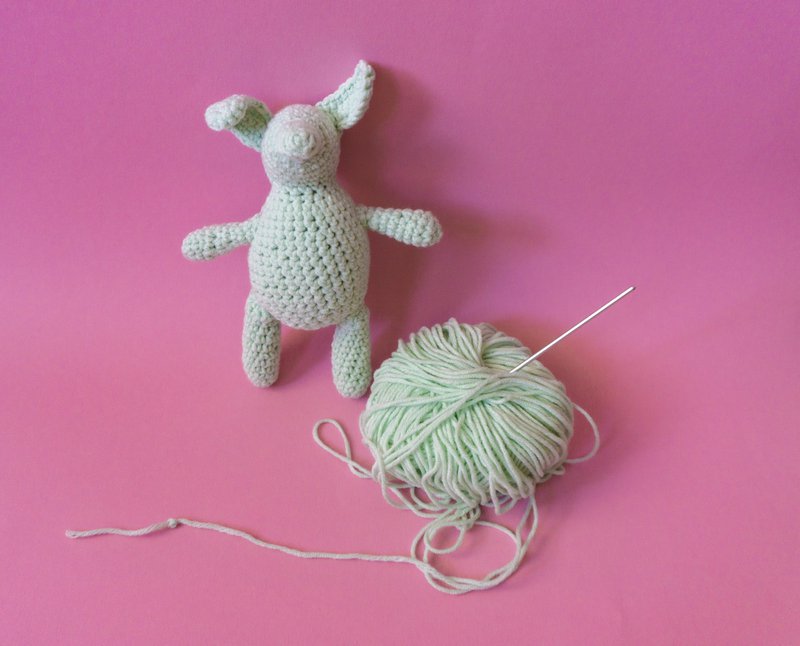
Unlike flat crochet projects such as blankets or scarves, amigurumi invites you to think spatially. You build curves, shape heads, add limbs, and bring personality to life with small details like a stitched smile, a pair of safety eyes, or the gentle tilt of a head.
Each piece feels personal. Even when following the same pattern, no two amigurumi ever turn out quite the same. That individuality is part of their charm, and part of what makes them so satisfying to create and to give.
Why Tiny Things Make Us Happy
Psychologists have long noticed our attraction to small, cute objects. This response is often linked to what’s known as the “baby schema”, a set of features such as round shapes, large eyes, and soft textures that naturally trigger feelings of care, affection, and warmth.
Amigurumi taps directly into this instinct. Tiny plushies feel non-threatening and emotionally safe. Holding something small can create a sense of calm and reassurance, especially in a world that often feels loud and overwhelming. Their size invites closeness, making them easy to keep nearby.
That’s why people tuck little toys onto desks, shelves, or bedside tables. They act as quiet emotional anchors, offering comfort without demanding attention.
When you’ve made that object yourself, the effect is even stronger. Each stitch carries time, intention, and care, turning a small handmade piece into something deeply personal and surprisingly powerful.
The Joy of Creating a Character
One of the most delightful aspects of amigurumi is that you’re not simply making an object. You’re creating a character.
As you crochet, small questions begin to surface.
- Is this dinosaur shy or cheeky?
- Does this doll look curious or thoughtful?
- Would the ears feel more expressive if they sat a little higher?
This quiet imaginative play engages parts of the brain connected to creativity and storytelling, areas many adults don’t realise they’ve been neglecting until they reconnect with them through making.
For children, amigurumi often becomes a cherished companion. For adults, it can be a grounding and nostalgic experience, one that gently reconnects us with play, care, and imagination.
Mindfulness in Every Stitch
Like many fibre crafts, amigurumi encourages a state of flow. It’s a calm, focused feeling where time softens, and worries quietly recede.
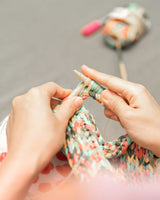
Counting stitches and watching shapes grow is inherently soothing. The repetition, combined with the tactile presence of yarn in your hands, helps anchor you in the moment.
Amigurumi adds an extra layer of satisfaction because the progress is visible. Each round brings you closer to something recognisable. A head takes shape. Legs appear. What began as simple stitches starts to feel almost alive.
That moment of transformation carries a quiet sense of triumph. You haven’t just passed the time. You’ve brought something into being.
Is Amigurumi Suitable for Beginners?
Here’s the truth: Amigurumi isn’t always the easiest place to start for complete beginners, and that’s okay.
It involves shaping, working in the round, and maintaining steady tension, which can feel fiddly at first. Techniques like magic rings, decreases, and counting stitches may seem intimidating when they’re new.
But here’s the reassuring part.
- You don’t need to be perfect.
- Your stitches don’t need to be identical.
- Your finished piece doesn’t need to look exactly like the photo.
In fact, those small imperfections are often what make handmade toys especially endearing. They give each piece character and warmth, something mass-produced objects can’t replicate.
If you already know basic crochet stitches, amigurumi is a wonderful next step. And if you’re newer to crochet, starting with clear instructions and a thoughtfully designed kit can make the process feel far more approachable and enjoyable.
Imperfection Is Part of the Magic
One of the most freeing lessons amigurumi teaches is that handmade doesn’t mean flawless. Maybe one eye sits slightly higher than the other. Maybe the stuffing is firmer than you planned. Maybe the ears lean in different directions.
Instead of seeing these details as mistakes, many makers grow to love them. These small quirks give each amigurumi its own character and sense of presence. They’re reminders that the piece was shaped by human hands, not produced by a machine.
In a culture that often prizes perfection, amigurumi offers a gentler perspective. Joy comes not from flawlessness, but from effort, intention, and creativity.
Amigurumi for All Ages
Amigurumi naturally spans generations.
For children, small handmade figures often support imaginative play and emotional development. Psychologists note that tangible, character-based objects can help children explore feelings, relationships, and stories in a safe and manageable way.
Teenagers are often drawn to amigurumi for its balance of creativity and structure. Following a pattern while making something expressive offers a clear sense of progress and competence, which can be especially meaningful during periods of growth and self-definition.
For adults, amigurumi frequently holds symbolic value. Creating or gifting a small figure can express care, memory, or identity in ways that words sometimes cannot. The finished piece becomes a marker of intention rather than just an object.
Across all ages, amigurumi carries particular meaning as a gift. Whether it’s a tiny dinosaur for a child, a lovey for a newborn, or a doll shaped with personality and care, these pieces hold emotional significance that extends well beyond their size.
Starting Your Amigurumi Journey with a Kit
If you’ve ever felt drawn to amigurumi but unsure where to begin, a kit can be a reassuring place to start. Having everything thoughtfully curated removes much of the guesswork and allows you to focus on what matters most: the simple pleasure of making something by hand.
Baby Dinosaur Amigurumi Kits
Few things spark joy quite like tiny dinosaurs.
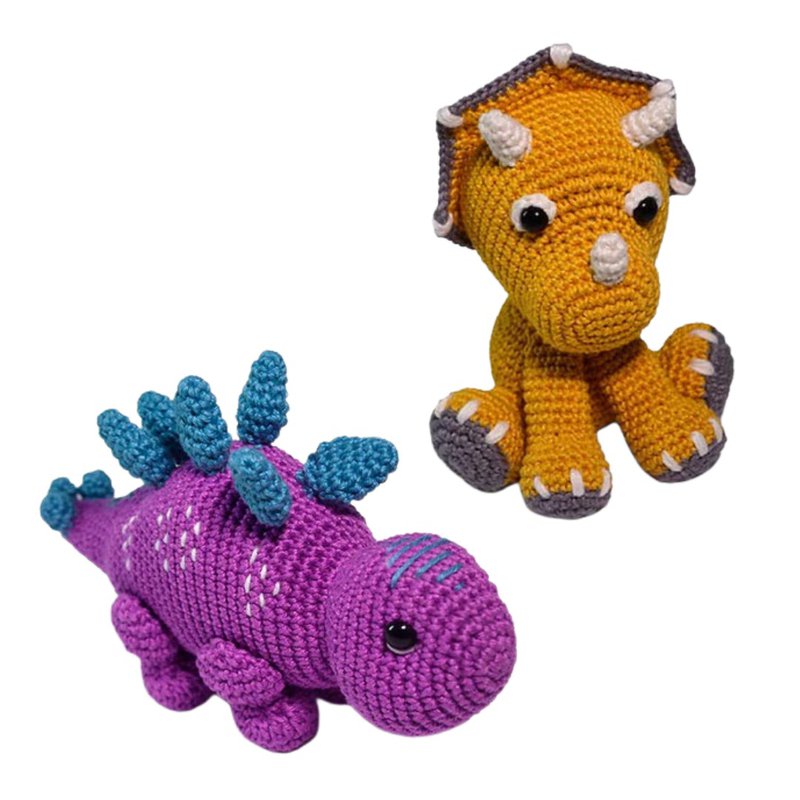
Baby Dino Amigurumis are playful, approachable, and full of personality. With their rounded shapes and friendly expressions, they strike a lovely balance between charm and simplicity.
Options like the Baby Triceratops Amigurumi Kit and Baby Stegosaurus Amigurumi Kit are especially satisfying to make. The forms are clear and intuitive, making the process engaging without feeling overwhelming. Each piece comes together gradually, offering that steady sense of progress that makes amigurumi so enjoyable.
These dinosaurs are also much loved as gifts. They’re small enough to feel manageable as a project, yet meaningful once finished, whether they’re made for a child, a new arrival, or simply as a cheerful handmade keepsake.
Lovey Blanket Amigurumi Kits
Lovey blankets blend the softness of a small comfort blanket with the character of amigurumi, creating pieces that feel both soothing and engaging. Designed for little hands, they invite touch, familiarity, and a sense of reassurance.
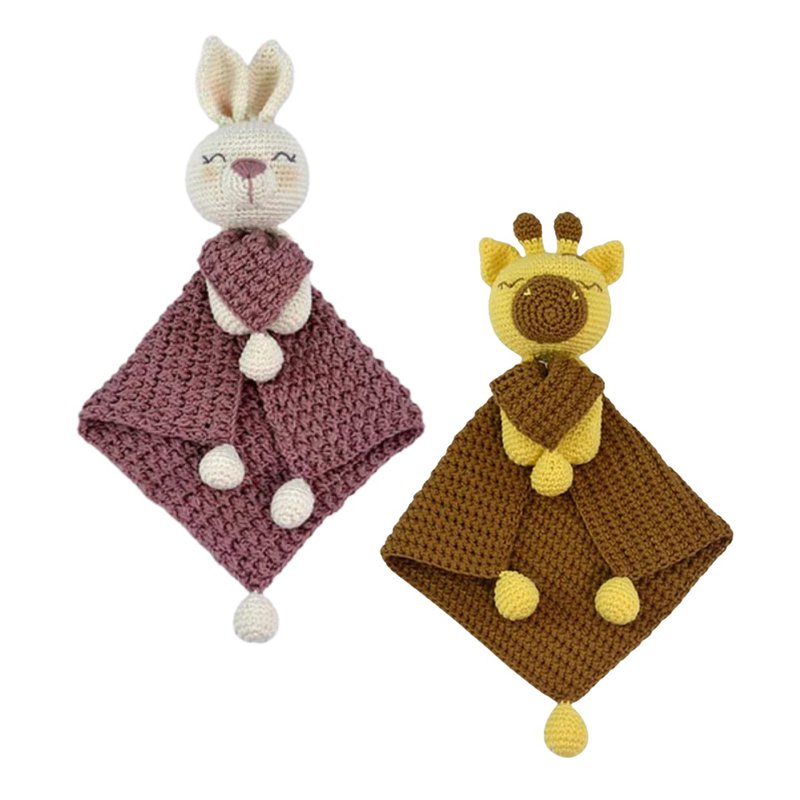
Lovey blanket amigurumis often pair simple, gentle shapes with approachable construction. Options such as the Lovey Giraffe Blanket and Lovey Bunny Blanket feel calm and friendly, making them especially well-suited to babies and young children.
These projects are often deeply meaningful to make. They’re not just practical items, but early companions that may be held, carried, and loved over time. Handmade loveys have a way of becoming keepsakes, quietly woven into a child’s earliest memories.
Amigurumi Doll Kits
Amigurumi dolls invite you to explore shaping, expression, and storytelling within a single project. From the curve of a face to the placement of hair or clothing, each choice contributes to a sense of personality.
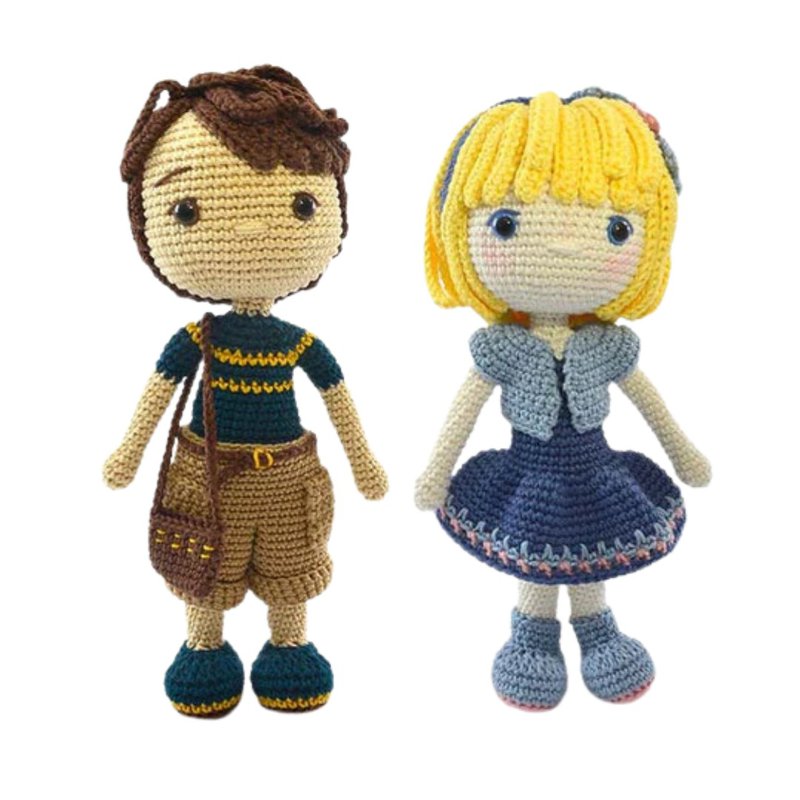
Dolls are a lovely option if you’re ready for something with a little more character. Designs such as the Circulo Dan Amigurumi Kit and Circulo Amy Amigurumi Kit offer structure while still leaving room for interpretation.
Dolls are especially rewarding to make because no two ever feel the same. Small variations in tension or assembly subtly change the final expression, creating pieces that feel truly individual. They’re a quiet reminder that handmade doesn’t aim for sameness, but for presence and personality.
Let Go of Intimidation, Pick Up the Hook
It’s easy to look at finished Amigurumi and think, “I could never make that.” This reaction is psychologically common. When we only see the polished result, our brains tend to overestimate the gap between ourselves and the maker, forgetting the learning, trial, and adjustment that came before.
In reality, every amigurumi begins in the same place, with curiosity, a hook, and a willingness to try. Early uncertainty, uneven stitches, and small corrections are not signs of failure, but essential parts of the learning process. Repetition builds familiarity, and familiarity builds confidence.
The act of making also matters. Repetitive, tactile crafts like crochet support focus and emotional regulation by anchoring attention in the present moment. Stitch by stitch, the mind settles, and visible progress reinforces motivation in a way few digital activities can.
What you create carries meaning because it carries care. Handmade pieces hold emotional value precisely because they reflect time, effort, and intention. Whether kept or gifted, amigurumi becomes more than an object. It becomes a small marker of presence.
In a fast-paced world, amigurumi offers something quietly powerful. A slower rhythm. A creative pause. A reminder that joy doesn’t need to be loud or perfect. Sometimes, it’s something you can hold in the palm of your hand.
If you’ve been curious about amigurumi, let this be your gentle encouragement. Don’t wait until you feel ready or worry about getting it right. Pick a project, take up your hook, and let your stitches tell their own story.
Share this article on your favorite platform:
Table of Contents
- What Is Amigurumi, Really?
- Why Tiny Things Make Us Happy
- The Joy of Creating a Character
- Mindfulness in Every Stitch
- Is Amigurumi Suitable for Beginners?
- Imperfection Is Part of the Magic
- Amigurumi for All Ages
- Starting Your Amigurumi Journey with a Kit
- Let Go of Intimidation, Pick Up the Hook

2 comments
Thank you Nicky. I needed to be reminded that mistakes are ok and creatvity is personal. I stopped learning and crafting due to social media and the expectation to be perfect in place of unique.
With huge appreciation.
Ingrid
Excellent, and I entirely agree with the benefits of slow “hand work”. If only we could corral our leaders and
politicians and sit them down down to some mindful crochet we might have a calmer world and no wars!!