



















How to Set Up an Efficient Needle Felting Workspace
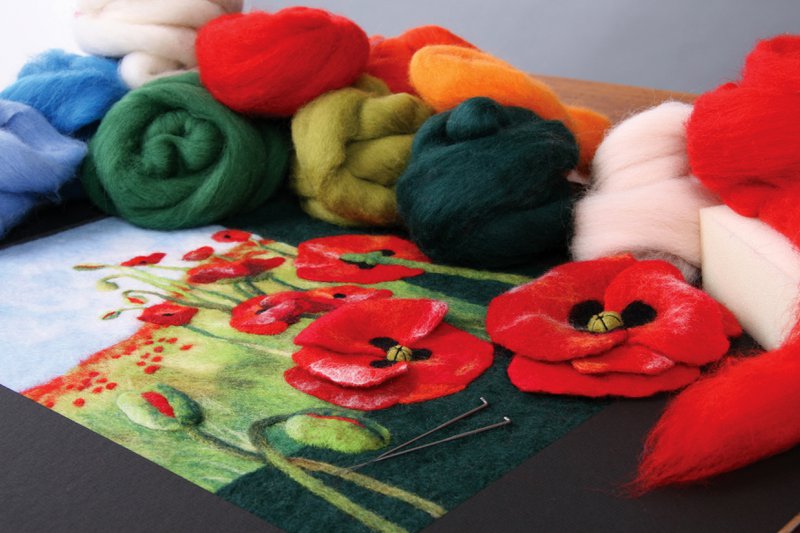
The soft sound of fibres brushing together, the rhythmic tap of a needle entering wool, and the growing shape forming in your hands all form the heartbeat of needle felting. Yet for many makers, the space around them does not always support that creative flow. A cluttered desk, poor lighting, or sore wrists can turn a joyful session into a frustrating one.
Contrast that with the calm of sitting down at a tidy table where everything you need is within reach, where your tools and materials are thoughtfully arranged, and where your workspace feels comfortable and welcoming. Whether you are working by a window or under a well-positioned lamp, good lighting supports your focus without dominating the space. Your body feels supported, your posture improves, your concentration deepens, and you lose yourself in the slow, satisfying rhythm of felting. This is the power of an intentional workspace.
In this article, we’ll gently guide you through designing your own efficient needle felting setup. You will discover the essential tools every felter should have, creative layout strategies for both small nooks and larger studios, and practical ways to optimise your environment with lighting, ventilation, and storage. You will also find tips for protecting your surfaces, budget-friendly ideas for building your setup gradually, and routines that keep your workspace safe and inspiring. By the end, you will have a clear plan for creating a creative haven that reduces strain, encourages regular practice, and nurtures your imagination.
Essential Tools for Needle Felting Success

Needle felting may appear simple, but having the right tools makes the difference between frustration and flow. At its core, the craft requires very little, yet each item plays a critical role in shaping your experience and your results.
- Felting needles: These specialised barbed needles are what transform loose fibre into firm, sculpted forms. Different gauges and shapes produce different effects. Fine needles are ideal for detail work, while coarser needles are better for building structure quickly. Keeping a small variety on hand allows you to move smoothly from rough shaping to finishing. Explore our collection of felting needles to build a versatile toolkit.
- Felting surface: Stabbing needles into a bare table is not only ineffective but also unsafe. A quality felting mat, foam block, or wool pad absorbs impact, protects your needles, and reduces strain on your wrists. A reliable surface, such as that provided by Ashford needle felting foam, also helps you work more confidently and comfortably for longer sessions.
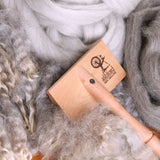
- Fibre preparation tools: Hand cards allow you to blend colours and textures, creating subtle gradients and preparing fibres for smoother felting. Thread Collective's hand Cards are durable, comfortable, and designed for repeated use.
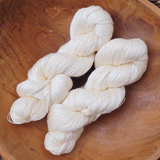
- Wool and fibres: At the heart of felting is, of course, the fibre. Beginners will often find that carded wools felt most easily and respond well to shaping. High-quality options, such as merino or corriedale fibres, give more consistent results and help reduce frustration as your skills develop.
Investing in quality tools from the start saves time and helps prevent disappointment. A bent or dull needle, an uneven surface, or low-grade wool can quickly sap your enthusiasm. By equipping yourself with well-made essentials, you give your creativity the strongest possible foundation.
Layout Strategies for Small and Spacious Studios

Not everyone has a spare room to dedicate to felting, but every maker can shape their workspace to suit their needs. The key is to work with the space you have and prioritise comfort, efficiency, and good ergonomics.
Small spaces
Many felters begin at kitchen tables, in spare corners, or wherever life allows creativity to fit in. Consider incorporating some or all of these ideas to enhance your experience.
- Vertical storage: Install floating shelves, wall hooks, or pegboards to keep tools off your work surface while remaining easy to see and reach.
- Foldable setups: A collapsible table or lap tray allows you to set up quickly and pack away just as easily when needed.
- Rolling carts: A multi-tier trolley can hold wool, tools, and unfinished projects and be wheeled out of the way when not in use.
- Multi-purpose furniture: Storage ottomans, drawers, or under-bed bins can double as fibre storage without taking up valuable floor space.
Larger studios
If you are fortunate enough to have a dedicated room or garage studio, organising your space into zones can greatly improve workflow.
- Fibre preparation: Set up a table or bench for blending, carding, and preparing fibres.
- Felting station: Keep your felting mat, needles, and current projects together at a comfortable, well-lit desk.
- Finishing area: Dedicate space for trimming, sewing, shaping, and adding final details to your pieces.
Regardless of whether your workspace is small or large, keep high-use tools within easy reach and avoid clutter on your main work surface. Fibres should ideally be stored in breathable, pest-proof, and light-protected containers. This helps preserve colour and prevent compaction, which is particularly important for natural fibres.
Lighting and Ventilation for Comfort and Safety
Needle felting demands close attention to detail. Without proper lighting, your eyes can tire quickly, and fine work becomes harder to control.
- Natural light: Position your workspace near a window if possible. Soft morning light or gently diffused daylight is ideal, as it reduces glare and makes colours easier to judge.
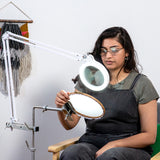
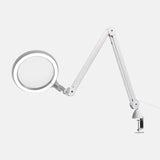
- Task lighting: If natural light is limited, choose a daylight-balanced LED lamp. These bulbs mimic sunlight and show the true colours of your wool. Lamps with adjustable arms allow you to direct light exactly where you need it, supporting both accuracy and comfort. Some models also incorporate a magnifying lens, which can be especially helpful for detailed work and fine finishing.
Equally important is ventilation. Carding and blending fibres can release small particles, and some fibres may still carry traces of lanolin or natural oils. A well-ventilated space helps prevent stuffiness and reduces potential irritation. For longer sessions, an open window or a gentle fan can keep fresh air circulating and your workspace feeling comfortable.
Surface Protection and Fibre-Safe Workstations
Felting needles are sharp, fragile tools that require a forgiving surface to ensure longevity. A felting mat or foam pad creates a cushioned zone where you can work confidently without fear of snapping needles or damaging furniture.
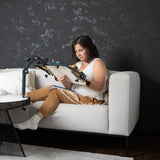
If you enjoy working in different areas of your home, a portable setup can be especially helpful. A lap tray with a built-in felting pad allows you to move easily from desk to sofa while keeping your projects stable and secure. Choose work surfaces that can be cleaned easily, as wool fibres tend to cling and spread.
It is also important to create a dedicated, safe storage space for unfinished pieces. This helps prevent fibres from being squashed, distorted, or covered in dust, ensuring your projects stay in good condition between sessions.
Storage Solutions That Support Flow and Focus
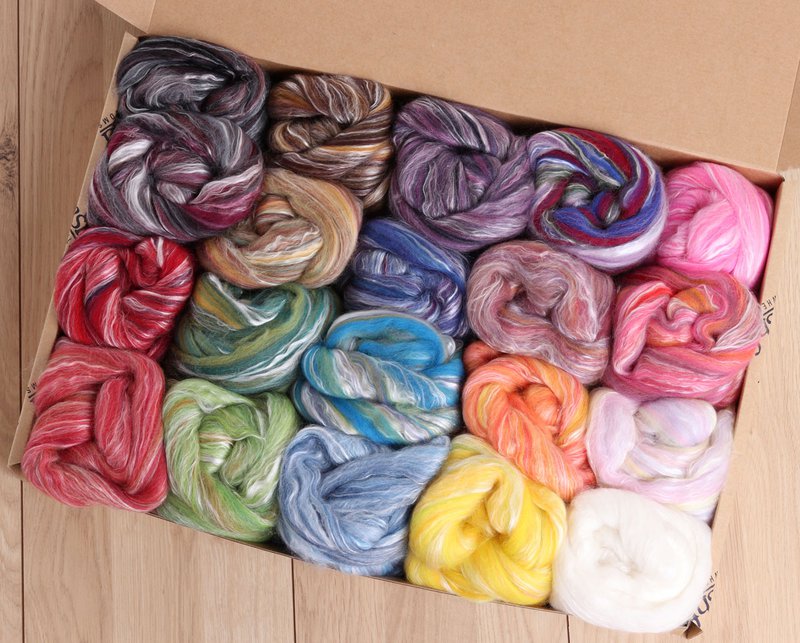
Organisation is one of the simplest ways to reduce creative frustration. A drawer that opens easily. A row of colours you can see at a glance. A needle case that feels familiar in your hands. When tools and fibres are easy to find, your attention stays on your work instead of being distracted by searching for supplies.
Practical storage ideas include:
- Jars or clear boxes for colour-coded fibre storage
- Breathable cotton bags (or pillow slips) for natural wools
- Needle cases with labelled compartments to organise sizes and types while reducing the risk of accidents
- Compartment trays for small amounts of fibre when working on projects with many colours
- Rolling carts or stackable bins for flexible, space-saving storage
Consider your personal workflow when arranging your space. Keep the tools you use every session within easy reach, while less frequently used supplies can be stored on higher shelves or in closed containers. A thoughtful system saves time, protects your materials, and helps maintain a calm, creative environment.
Budget-Friendly Setup Tips Without Sacrificing Quality
Setting up a needle felting workspace does not need to happen overnight. Many felters begin with a simple foam mat, a small pack of needles, and a bundle of wool. From there, they gradually add new elements as their skills and confidence grow.
- Start with essentials: Begin with a good felting pad, a few reliable needles, and a small selection of quality fibres. These core tools will support most beginner and intermediate projects.
- Invest gradually: Upgrade your setup over time. Improve your lighting, add storage solutions, or invest in hand cards when you feel ready. Spreading out purchases helps you build a space that truly suits your working style.
- Prioritise quality fibre: Poor quality fibre may resist felting or produce lumpy results. High-quality fibre, such as Ashford fibre, tends to felt more willingly and predictably, making the learning process far more enjoyable.
By pacing your investments, you avoid unnecessary spending and give yourself time to discover which tools, layouts, and materials genuinely enhance your creative process.
Safe and Simple Maintenance Routines
Keeping your workspace clean and safe supports both creativity and wellbeing. A few small, consistent habits can make a significant difference over time.
- Always return felting needles to a secure case immediately after use. Loose needles are a safety risk and easy to lose.
- Clean your felting pad regularly by brushing away stray fibres and debris.
- Store wool in cool, dry, breathable containers to help prevent pests, mould, and moisture damage. Lavender sachets and cedar wood can also help deter moths naturally.
- After each session, spend two minutes tidying. Clear away excess fibre, reset your tools, and prepare your workspace for next time.
These simple routines create a calm, welcoming environment that makes it easier to return to your craft day after day, feeling organised, confident, and inspired.
Workflows to Streamline Your Creative Process
Beyond tools and storage, the rhythm of your workspace plays a powerful role in shaping your creative flow. Creating small, repeatable systems within your space helps make the process feel smoother and more natural and keeps your attention on making.
Consider introducing simple “micro-systems” such as:
-
Project Trays or Bins
Assign one container to each project so nothing is misplaced between sessions. -
In Progress
Use separate baskets or trays for fibre blending, felting in progress, and finishing touches. This makes it easy to move projects through each stage. -
Inspiration Corner
Create a dedicated space using a corkboard, sketchbook, or wall area to display colour swatches, sketches, photos, and ideas that spark creativity.
Begin each session by setting out only the materials needed for your current project. This simple ritual reduces decision fatigue, supports concentration, and helps you settle quickly into a focused, enjoyable rhythm of making.
Build a Space That Nurtures Your Creative Flow

Ultimately, your needle felting workspace should be more than functional. It should be a sanctuary where your imagination feels at home. Every detail, from the softness of the wool at your fingertips to the organisation of your tools, can either lead to frustration or support you in creating with ease and confidence.
At Thread Collective, we believe in spaces that celebrate the maker’s journey. With carefully curated felting tools, artisan-crafted hand cards, and natural Ashford fibres, you can shape a workspace that reflects your commitment to quality and creativity. By choosing sustainable, thoughtfully sourced materials, you are not only elevating your craft but also contributing to a community of makers who value purpose and intention.
Take a moment to imagine your ideal felting space. Then begin with one small change, whether it is a clearer desk, better lighting, or a secure needle case. Each step brings you closer to a workspace that truly feels your own. A place where tools and wool meet imagination, and where every movement of the needle draws you deeper into the joy of making.
Share this article on your favorite platform:
