











Why Does My Felt Shrink?
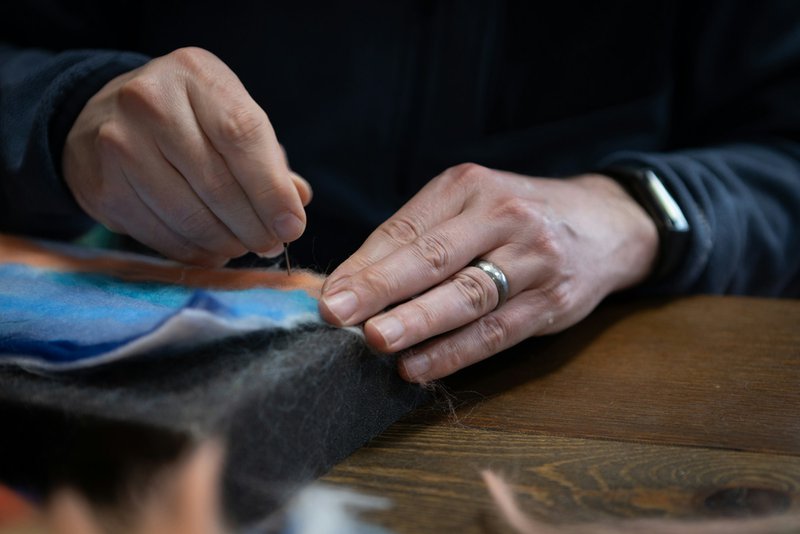
There’s something deeply satisfying about felting. Whether you choose specialised felting needles or the warmth of soapy water on your hands, the soft wool beneath your fingers, and the moment when loose fibres transform into firm fabric, make the process feel quietly magical.
But here’s the thing: every felted project shrinks. Sometimes a little, sometimes a lot, and occasionally more than you planned.
If you’re new to felting, shrinkage can feel unpredictable. You might begin with what seems like the right size, only to end up with something too small or oddly shaped. The good news is that shrinkage is not a problem to solve. It is a natural part of felting that you can learn to predict and control.
This guide explains what causes felting shrinkage, how different wools behave, and how to plan your projects so you achieve the size and shape you want.
What Causes Shrinkage in Felted Wool?
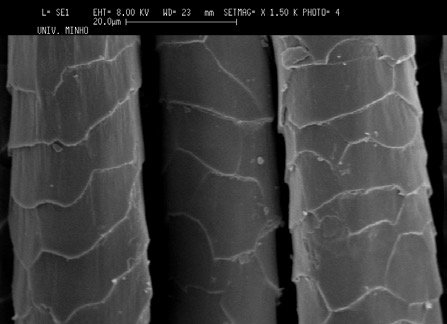
(Source: CSIRO, via Wikimedia Commons (CC BY 3.0))
Felting happens when we deliberately use special barbed felting needles to tangle and compact fibre, or apply heat, moisture, and movement to encourage wool fibres to open and catch onto one another. As this agitation continues by either method, the fibres gradually lock together and pull closer. This creates the dense, strong felted fabric we love, but it also causes your project to shrink, often significantly.
Different wool breeds behave differently during felting. For example, Corriedale Sliver, with its medium-coarse fibres and higher crimp, often felts more quickly when needle-felting than finer, softer Ashford Merino Sliver does. In contrast, Merino tends to felt more readily during wet finishing.
The type of fibre you choose affects how quickly it felts, the final texture, and how much effort you’ll need to put in. In addition, fibre from the same breed, but from different animals or commercial batches, may vary in fineness and staple length. This is why testing your chosen fibre before starting a large project helps you understand what to expect.
Key Factors That Influence Shrinkage
Several factors influence shrinkage. Understanding them helps you predict what will happen before you begin a project.
Fibre Type and Scale Structure
Not all animal fibres will felt in the same way. The main factor is fibre structure, including the scales, crimp (waviness), and diameter, which all affect how firmly wool felts and the type of surface it produces.
Medium-coarse fibres such as Ashford Corriedale Sliver have slightly larger scales and higher crimp, allowing the fibres to catch and lock easily. This makes Corriedale well-suited to 3D needle felting and sturdy forms. It is often used as core wool because it creates firm, solid structures with less effort.
Ashford Merino Sliver and Ashford Alpaca/Merino Sliver, being much finer and softer, build structure more gradually. The fine, flexible fibres compress smoothly, creating delicate surfaces that are ideal for surface decoration and refined finishes.
In wet felting, fine Merino responds well to heat, moisture, and movement, making it suitable for projects where an even, soft fabric is desired. Once fibres interlock and full completely, shrinkage occurs and cannot be reversed.
Choosing the right fibre depends on your project. Corriedale is ideal for beginners and strong, supportive forms. Merino offers luxurious softness and refined texture.
Fibre Layout and Direction
The way you arrange your wool makes a big difference to how your felt shrinks. If you lay all your fibres in one direction, you will see more shrinkage along that line, because wool tends to shrink more along the length of the fibre.
Alternating layers in a criss-cross pattern (like a hashtag: #) helps balance shrinkage between length and width. It also makes needle felting easier by giving the fibres more points of contact. Be sure to layer your fibres evenly, as thicker areas shrink differently from thinner ones, which can lead to puckering or warping.
If you are working on a large project, it is worth making a small test piece first. This allows you to see how your layout affects the final result and helps you decide whether you prefer the visual or tactile feel of criss-crossed layers or more aligned fibres.
Degree of Agitation and Fulling
Once your fibres begin to felt, the process of fulling, whether through needle felting, rolling, rubbing, or tossing, determines how much more the wool will tighten. The longer and more vigorously you full, the more your piece will shrink.
This increased agitation creates a stronger, denser fabric, but it can also reduce the size significantly if it is not monitored closely. Measuring your work periodically during fulling helps you stay in control of your final dimensions and stop at the point that best suits your project goals.
How to Calculate and Plan for Shrinkage
The simplest way to predict shrinkage is by making a test swatch. Create a small felt sample using the same fibre, thickness, and method as your planned project. Measure it before and after felting, then use this formula:
(Original size – Finished size) ÷ Original size × 100 = Shrinkage %
If your swatch shrinks by 25 per cent, you’ll know to adjust your starting dimensions by the same proportion so your finished piece matches your intended size. Keeping a record of shrinkage rates for different fibres and techniques will also help make your felting practice more consistent over time.
Preventing Excessive Shrinkage and Distortion
While some shrinkage is inevitable, excessive shrinkage or uneven distortion can be avoided with mindful handling. Keep agitation gentle in the early stages and increase it gradually as the fibres begin to bond. When wet felting, apply even pressure and moisture across your entire piece to encourage balanced results. If you prefer a lighter, loftier finish, stop fulling earlier, before the fibres compact too tightly. Remember, you can always return and felt more later, but you cannot reverse felting once it has occurred.
For more structured or detail-focused work, needle felting can be used on its own or alongside wet felting to give you greater control. Many makers begin with wet felting to establish the base fabric, then use needles to refine edges, reinforce weak areas, or add surface detail.
Kits such as the Ashford Needle Felting Kit – Beagle offer a supportive starting point for learning how wool behaves, while also providing greater precision and control. Paired with Ashford Fine Felting Needles, they allow for delicate surface shaping without the unpredictability of further wet felting shrinkage.
Caring for Your Felted Wool Creations
Proper care keeps your felt looking beautiful and helps prevent further shrinkage. Always hand-wash gently in lukewarm water using a mild, wool-safe soap, such as the Unicorn Clean & Fibre Rinse Gift Set. Avoid hot water and rough agitation, as both can trigger additional felting. After washing, gently reshape while damp and dry flat to maintain the original form.
Treat your felted creations as lasting heirlooms. The fibres are strong, but they respond best to gentle handling, rewarding your care with beauty and longevity in return for the time and effort you have invested.
Take Your Felting Further with Confidence
Shrinkage is not the enemy of felting. It is its heartbeat. Once you understand how and why it happens, you can use it to your advantage, shaping your projects with skill and intention. By measuring shrinkage rates, learning how different fibres behave, and refining your technique, you gain the confidence to transform wool into pieces that truly match your creative vision.
At Thread Collective, we share your passion for high-quality, ethically sourced fibres. Whether you're working with soft Merino, versatile Corriedale, or luxurious Alpaca/Merino blends, our curated collection is designed to support mindful making and beautiful results.
Explore our felting supplies and let each project take you one step deeper into your craft with confidence.
Share this article on your favorite platform:
Table of Contents
- What Causes Shrinkage in Felted Wool?
- Key Factors That Influence Shrinkage
- Fibre Type and Scale Structure
- Fibre Layout and Direction
- Degree of Agitation and Fulling
- How to Calculate and Plan for Shrinkage
- Preventing Excessive Shrinkage and Distortion
- Caring for Your Felted Wool Creations
- Take Your Felting Further with Confidence
