



Crochet Hook Comparison: Aluminium, Wood, Ergonomic, Inline vs Tapered
Years ago, I would have told you a crochet hook is just a crochet hook. Pick one up, get on with it.
After making everything from lace shawls to chunky blankets and Tunisian scarves, though, I've learned that's not quite true. The material, shape, and handle of a hook all affect how it feels to use, and matching the right hook to your project makes a real difference to your stitches and your hands. Some hooks move smoothly through stitches, others feel warm and comfortable for long sessions, and certain hooks are great for beginners, while others work best for detailed patterns.
So, if you've ever wondered whether aluminium or wood is better, whether ergonomic hooks are worth trying, or what actually sets inline and tapered hooks apart, this guide will help you pick the best crochet hook for your projects.
At Thread Collective, we’ve selected a variety of crochet hooks from top brands, including KnitPro, ITO, Addi, and LYKKE. Whatever you're working on next, from a first amigurumi to an ambitious Tunisian blanket, there's a hook in our range to suit it.
Why Crochet Hook Choice Matters
Crocheters tend to focus on yarn selection and treat the hook as an afterthought, but it plays just as big a role. The right hook can:
- Reduce hand fatigue
- Improve stitch consistency
- Speed up your crocheting
- Make tricky fibres easier to work with
A hook that's perfect for a chunky blanket won't necessarily suit lace crochet, and Tunisian crochet needs a different hook again.
Aluminium Crochet Hooks
What Are Aluminium Crochet Hooks?
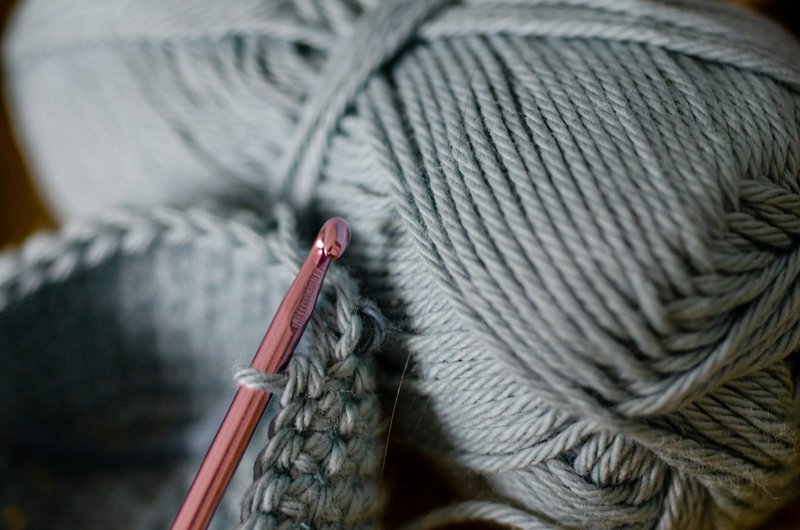
Aluminium hooks are made from lightweight, anodised metal with a smooth, polished surface that lets yarn glide easily across the hook. That glide is especially noticeable on cotton, bamboo, linen, and other tightly spun yarns, where a rougher surface would drag and slow you down.
They're also durable. Aluminium won't chip, splinter, or wear down the way wood can over years of use, and because the metal itself is light, your hands stay comfortable even through longer sessions. Combined with being the most affordable option, that's why so many crocheters start here and never really leave.
Best for: amigurumi, garments, home décor, cotton dishcloths, and lace crochet in lace-weight yarn (not crochet thread; that's a job for steel hooks, below).
Examples available at Thread Collective include:
Steel Crochet Hooks
Steel hooks look similar to aluminium at a glance, but they're really a different tool. Anything under 2mm is generally made from steel rather than aluminium, since steel holds its shape and edge at that scale in a way softer metal doesn't; a fine aluminium hook would bend and blunt far too easily to be practical. Steel hooks also share aluminium's smooth glide, which matters even more with thread, since it's easy to split.
They use their own sizing system too, and it runs in reverse of regular hook sizing: the higher the number, the finer the hook. If your pattern calls for a specific thread size, such as size 10 or size 20 cotton, it will usually specify a matching steel hook size, since regular yarn hooks are simply too large for thread work.
Best for: doilies, lace edgings, fine motifs and snowflakes, thread jewellery, bead crochet, and repairing fine-gauge knitwear.
At Thread Collective we offer ITO Crochet Lace Hooks (12cm) (0.6mm–1.75mm)
Wooden Crochet Hooks
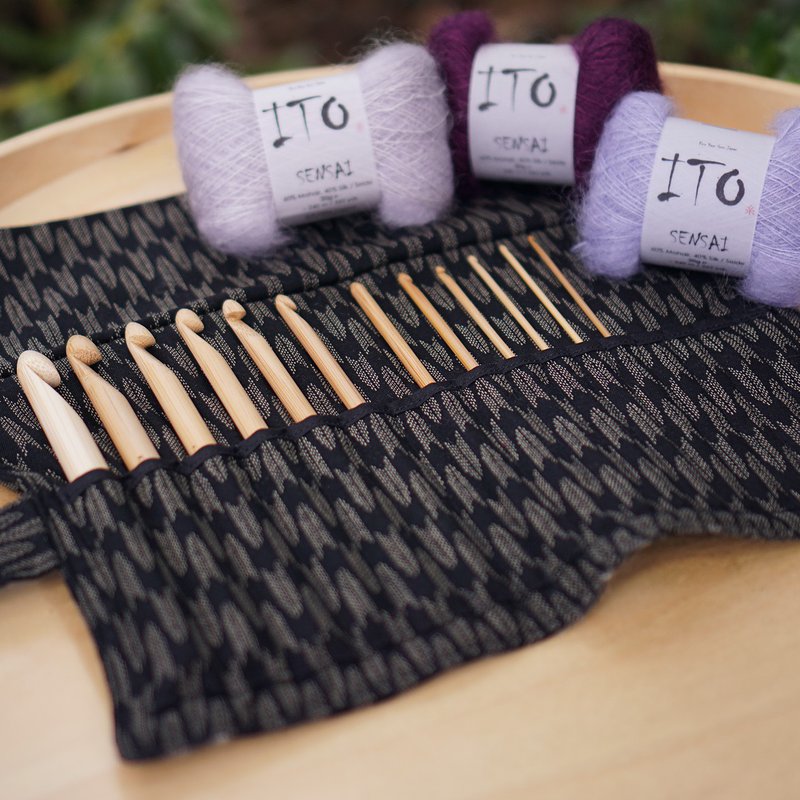
Wooden and bamboo hooks trade the speed of aluminium for warmth and control. In particular, wood feels warmer in the hand, which makes a genuine difference over a long session, and it also has slightly more friction than metal. That extra grip helps tame slippery fibres like silk, Tencel, rayon, and bamboo blends, which can otherwise slide right off a smooth aluminium hook before you're ready. The same grip, meanwhile, makes wooden hooks a good choice for anyone still building consistent tension, since the yarn is less likely to slip mid-stitch. Beyond the practical side, many crocheters simply prefer the look and feel: natural grain, warm colour, and a polished finish that ages well with use.
Best for: shawls, garments, textured stitch patterns, luxury yarns, and beginners.
Popular options at Thread Collective include:
Ergonomic Crochet Hooks

If your hands or wrists get tired or sore after crocheting, an ergonomic hook can help. These have larger, softer handles shaped to fit comfortably in the hand, which spreads out pressure and reduces fatigue, particularly over long sessions or if you deal with arthritis.
Best for: blankets, large garments, charity crochet, and any project you'll be picking up daily.
Examples include:
Inline vs Tapered Crochet Hooks
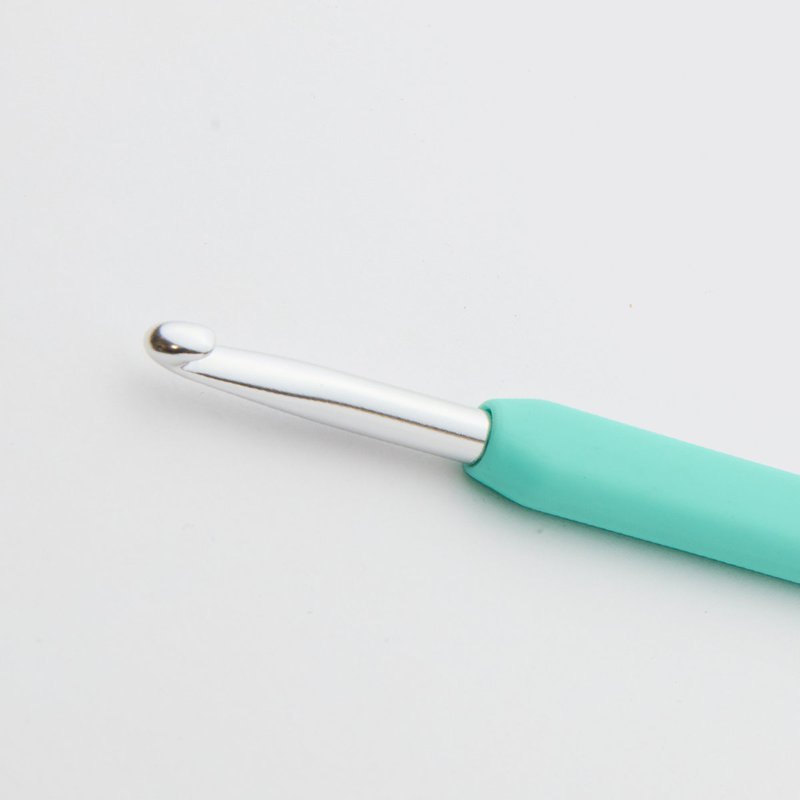
Material aside, the shape of the hook head also changes how it feels to use.
Inline hooks
Have a straight shaft with the hook head aligned to it, along with a deeper, more angular throat. Typically, the neck and shaft are the same width, which gives a consistent channel for the yarn. As a result, this tends to produce more uniform stitches and better tension consistency, and the deeper throat holds loops securely through complex patterns. Inline hooks work well for amigurumi, structured garments, and any project where precise tension matters.
Tapered hooks
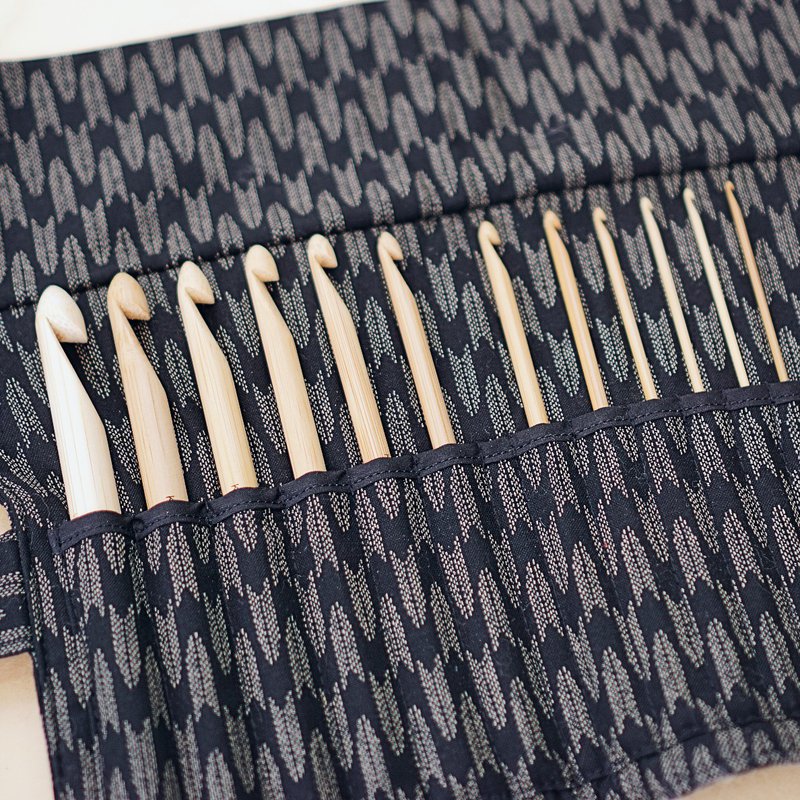
Narrow gradually from the shaft to the head, with the head projecting slightly outward and rounded rather than flush with the shaft. Because of this, they make for faster stitching and easier insertion, which is why a lot of crocheters, especially beginners, find them more intuitive. They suit blankets, garments, and fast, repetitive stitch patterns; likewise, most modern ergonomic hooks are also tapered.
Which Hook Shape Is Better?
Honestly, neither style is better; it really depends on what feels best to you.
Some crocheters swear by inline hooks because of the stitch consistency they achieve. Others, meanwhile, love the fluid movement of tapered hooks and would never switch.
Either way, I suggest trying both styles to see which one feels better in your hands. In the end, the best crochet hook is the one that matches your project, your yarn, and your crocheting style.
Crochet Hooks for Tunisian Crochet
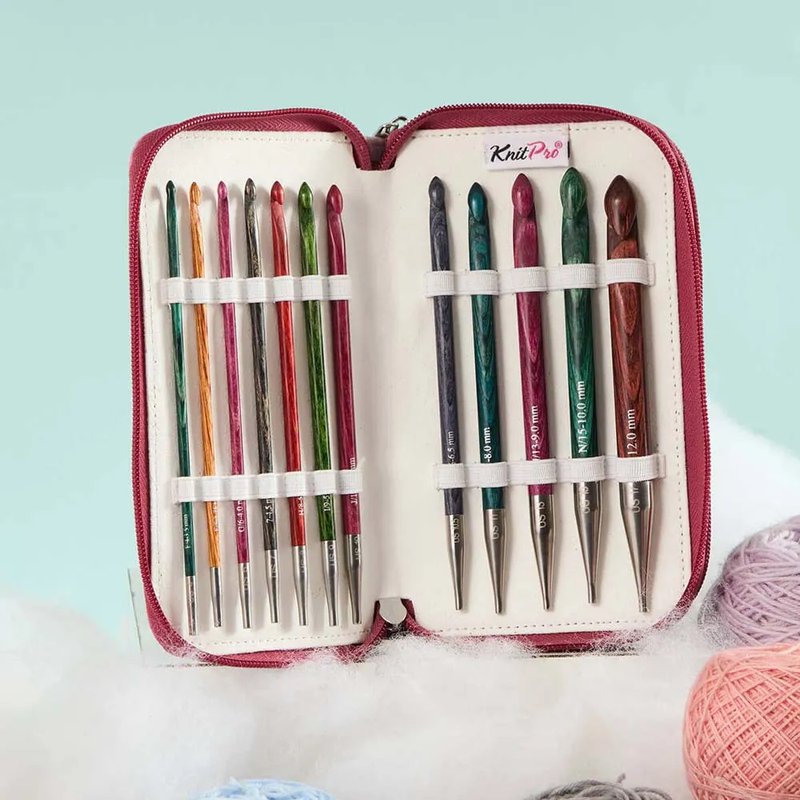
Because Tunisian crochet keeps multiple stitches live on the hook at once, standard hooks generally aren't suitable.
KnitPro Dreamz Tunisian Crochet Hook
The KnitPro Dreamz Tunisian Crochet Hook is made from smooth, polished birchwood, giving you a good balance of glide and grip. As a result, it suits Tunisian scarves, cushions, blankets, garments, and home décor.
Addi Double-Ended Tunisian Crochet Hook
The Addi Double-Ended Tunisian Crochet Hook has a hook on each end, which in turn opens up double-ended Tunisian crochet, colourwork, circular Tunisian crochet, and other advanced techniques.
Many experienced Tunisian crocheters, therefore, enjoy the extra flexibility these hooks provide.
Crochet Hooks for Jumbo Yarn Projects
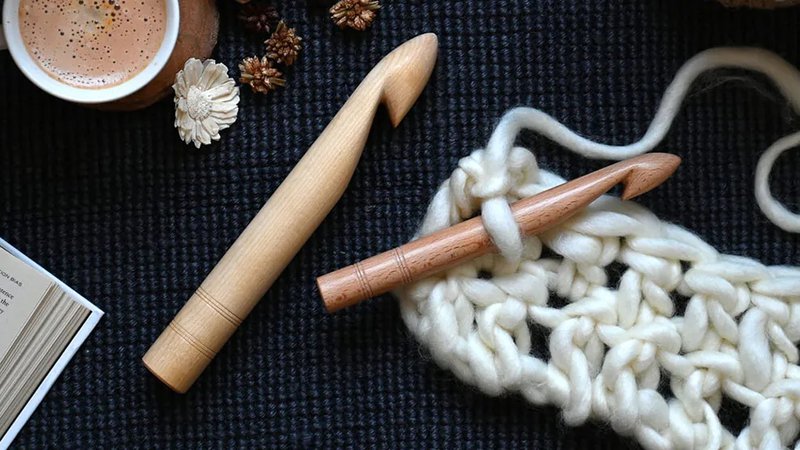
Chunky and jumbo yarns need oversized tools. The KnitPro Jumbo Crochet Hook, for example, is made from lightweight birch wood, so it stays strong without weighing your hands down over a big project. Consequently, it's the right choice for chunky blankets, armchair throws, floor cushions, giant baskets, and other bold, oversized décor.
Matching Hook Materials to Yarn Types
As a general rule:
- Cotton yarn → aluminium hooks. The smooth surface prevents dragging.
- Wool yarn → wooden, bamboo, or ergonomic hooks. The gentle grip keeps the yarn soft and controlled.
- Silk and bamboo blends → wooden or bamboo hooks, for extra grip on slippery fibres.
- Chunky yarn → ergonomic or jumbo hooks, for comfort with heavier weights.
- Crochet thread → steel hooks. Regular yarn hooks are simply too large.
How Beginners Can Choose Their First Crochet Hook
If you're just starting out, you can't go far wrong with a KnitPro Waves 2.0 Crochet Hook or an ITO Premium Bamboo Crochet Hook. Both are comfortable and easy to use while you're learning, and naturally, you'll develop a feel for which materials and shapes you prefer as you go.
Building a Crochet Hook Collection
Most crocheters, in fact, eventually collect a few different types of hooks. Your collection could include:
- Aluminium hooks for everyday yarn work
- Steel hooks for thread crochet and lace
- Bamboo hooks for delicate fibres
- A Tunisian hook for specialised techniques
- A jumbo hook for chunky yarn adventures
After all, different projects need different tools, and having a variety on hand makes crocheting more enjoyable.
Finding the Right Crochet Hook for Your Crafting Style
Ultimately, the best crochet hook is the one that feels just right in your hand.
Aluminium hooks are quick and smooth. Steel hooks, meanwhile, handle fine thread work that yarn hooks can't. Wooden and bamboo hooks feel warm and give you more control, while ergonomic hooks are comfortable for long sessions. Inline hooks, by contrast, are precise, and tapered hooks help you crochet smoothly.
So, whether you're drawn to the intricate lace made with ITO Crochet Lace Hooks or the bold, oversized pieces made possible by KnitPro's Jumbo hooks, each tool brings something different to your crochet.
Thread Collective offers a thoughtfully selected range of crochet hooks, so you can find the perfect hook for any project. As you improve and try bigger projects, the right hook can make every stitch more enjoyable and every finished piece more rewarding.
Share this article on your favorite platform:
