









Maintenance & Care of Handwoven Items: Washing, Blocking, Storage

A handwoven textile, whether it's a lightweight scarf, a kitchen towel, a cosy blanket, or a luxurious wrap, is more than a functional object. Whether you've woven a piece yourself or brought one home from an artisan market, there's real skill and intention in every thread. Caring for these pieces properly means they'll stay beautiful for years and, in many cases, become true heirlooms.
The good news is that proper care doesn't need to feel complicated. Once you understand the fibre content and the basics of washing, blocking, and storage, it becomes straightforward and even satisfying.
Washing Handwoven Items
Washing is one of the most important parts of textile care. That first wash is particularly significant; it removes dirt and oils, helps set the weave structure, and enhances the fabric's drape. Subsequent washes should be done thoughtfully and only when needed. Because handwoven items often use natural fibres and unique constructions, they need gentler care than mass-produced textiles.
Understanding Fibre Content
Before washing any handwoven piece, work out what fibre it's made of. This makes all the difference.
- Wool and other animal fibres such as alpaca, cashmere, and silk are sensitive to heat, agitation, and sudden temperature changes. During an initial wash, slight fulling may be desirable, but when done unintentionally, it can cause irreparable felting or shrinkage.
- Plant fibres like cotton and linen tolerate water well and can even be machine-washed on appropriate settings. They can distort, however, if handled roughly when wet.
- Blends require a balanced approach based on the most delicate fibre in the mix.
If you're unsure what the piece is made from, treat it as delicate and hand-wash in cool water. You won't regret being cautious.
Test for Colourfastness
Dyed yarns may release some excess dye during the first wash, especially deep or vivid colours. Before submerging the whole piece, dampen a small hidden section and press it with a white cloth. If dye transfers, wash the piece separately in cold water. If your item is woven in multiple colours, or if you wish to err on the side of caution, we recommend using colour catchers with each wash until they no longer catch colour.
Choosing the Right Wash Products
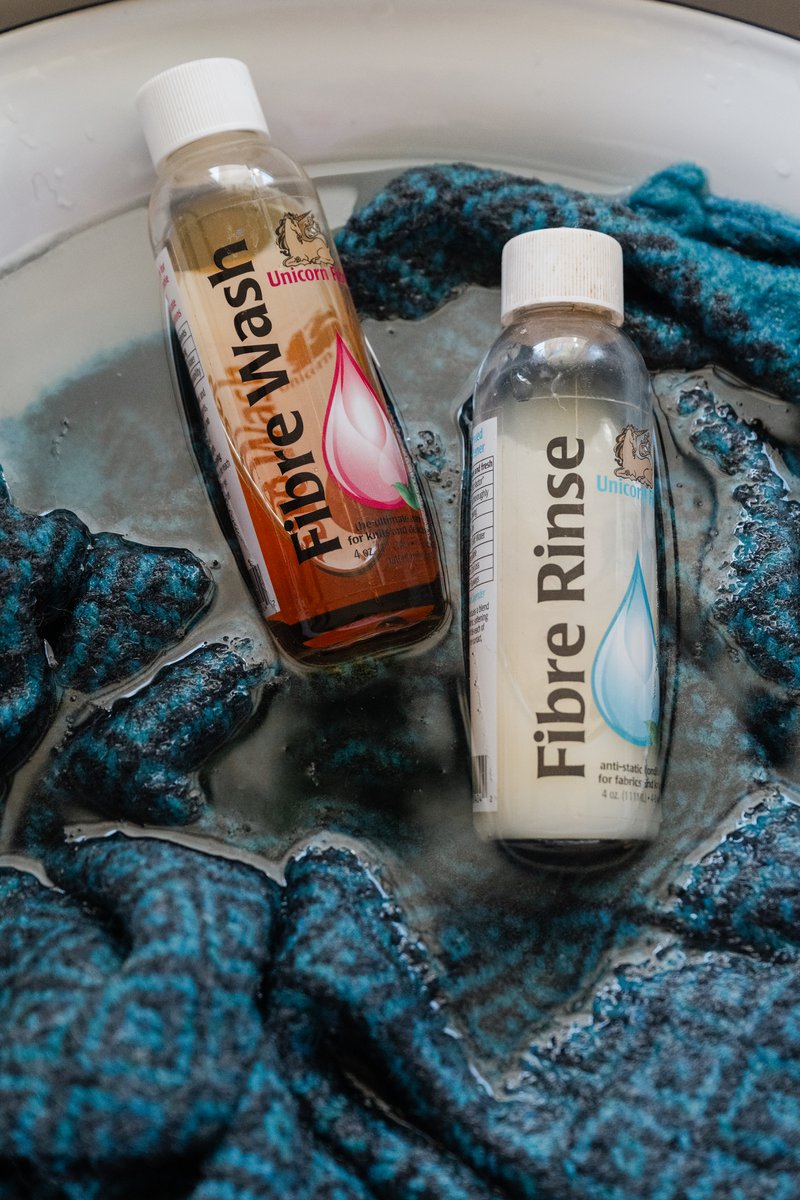
Standard laundry detergents are generally too harsh for handmade textiles. They can strip natural fibres of their softness and, over time, affect the structure of the weave. A dedicated fibre wash makes a noticeable difference.
At Thread Collective, you can explore the full Unicorn Clean collection — a range of plant-based, biodegradable, and concentrated fibre care products designed specifically for handmade textiles, yarns, and delicate garments. A little goes a long way.
Below are featured options that work beautifully for handwoven items.
Unicorn Clean Fibre Wash, Fibre Rinse and Power Scour Sampler Kit
The Unicorn Clean Fibre Wash, Fibre Rinse, and Power Scour Sampler Kit (16oz) is a versatile and popular starting point with a fresh lavender scent if you're new to fibre care products. It includes:
- Fibre Wash — for everyday gentle cleaning
- Fibre Rinse — for conditioning and softening
- Power Scour — for when a piece needs a deeper clean
It works for handwoven textiles, handspun yarn, and delicate garments. Individual bottles are also available within the range.
Unicorn Clean Beyond Clean, Beyond Soft and Beyond Wash Sampler Kit
The Unicorn Clean Beyond Clean, Beyond Soft and Beyond Wash Sampler Kit (16oz) is the fragrance-free version of the same gentle formula. It's ideal for:
- Sensitive skin
- Baby items
- Anyone who prefers fragrance-free laundry care
Like the original range, individual bottles are available separately so you can choose exactly what suits your needs.
For more options in different sizes and variations, visit the full Unicorn Clean collection here.
How to Hand-Wash Handwoven Items

Hand-washing is the safest method for most hand-woven pieces. Here's how to do it well.
Step 1: Prepare the Wash Bath
Fill a clean sink or basin with cool water for silk, or lukewarm water for wool. Add a small amount of Fibre Wash or Beyond Wash. These products are concentrated, so follow the recommended dosage on the bottle.
If desired, add a colour catcher to catch potential dye runoff.
Step 2: Submerge Gently
Place your textile in the water and gently press it down so it becomes fully saturated. Avoid rubbing, twisting, or scrubbing.
Let it soak for around 10 to 15 minutes.
Step 3: Drain and Rinse
Drain the water carefully while supporting the fabric's weight. Refill the basin with clean water at a similar temperature and gently press the textile to rinse. Repeat until the water runs clear.
Step 4: Condition if Desired
If you’d like to condition the piece, add Fibre Rinse or Beyond Soft during the final rinse. This helps:
- Restore softness
- Reduce static
- Improve drape
- Minimise itch in wool
Step 5: Remove Excess Water
To remove excess water, don’t wring or twist. Instead:
- Lift the item carefully.
- Press gently against the side of the basin.
- Lay it flat on a towel.
- Roll the towel with the textile inside and press to remove excess water.
Machine Washing When Appropriate
Some woven cotton items or sturdy blends can handle a machine wash. If you're confident in the fibre content and the piece is relatively robust, you can try it — but take precautions.
- Use a mesh laundry bag to protect the textile.
- Select the gentlest cycle available.
- Use cold water and a small amount of Fibre Wash or Beyond Wash.
- Avoid high spin speeds, which can distort the weave.
Harder-wearing items such as towels and baby blankets that see more regular use and become more soiled are well-suited to machine washing. A few things worth knowing:
- Wash at 40°C or lower to reduce shrinkage. You can go up to 90°C if needed, but keep this for items that genuinely require it.
- Items containing linen fibre will crease with a fast spin cycle. A slower spin is the better choice for these.
- To avoid lint on napkins, tea towels, dish cloths, and placemats, wash fluffy towels in a separate load.
When in doubt, hand-wash. It's always the safer option.
Blocking: Shaping and Finishing Your Textile
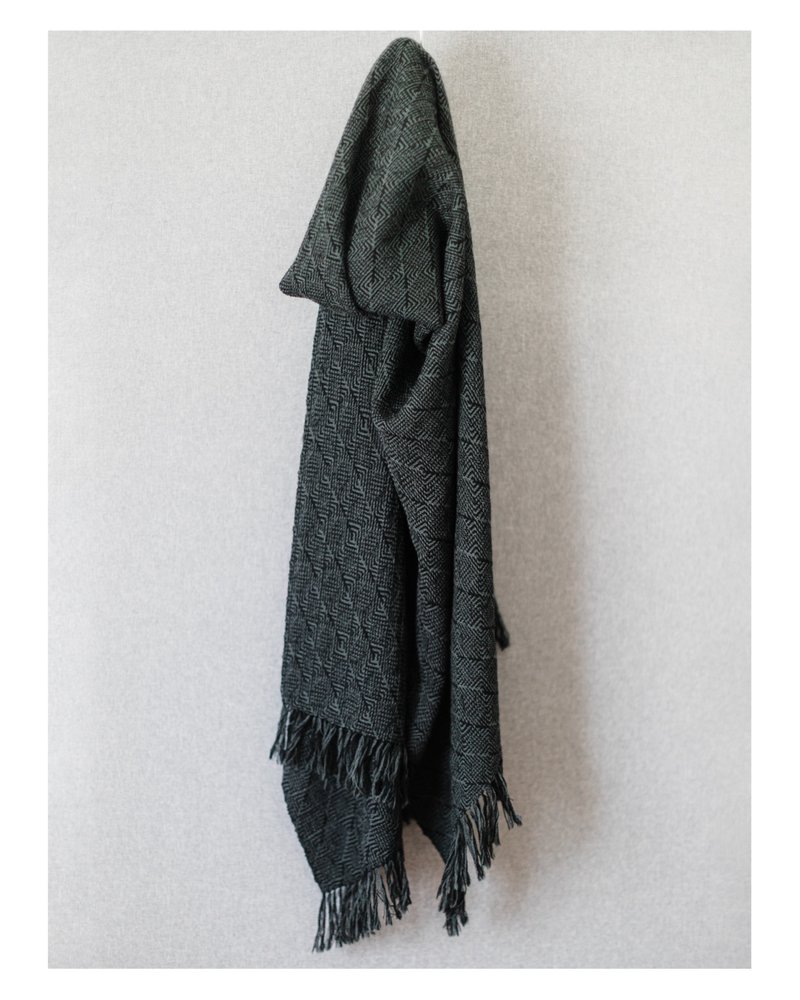
Blocking is the process of shaping and setting a textile while it dries. It's especially useful for scarves, shawls, wraps, and decorative pieces where drape and even edges matter. Weavers benefit from blocking just as knitters do; sometimes more so, since the structure of the weave can really open up and shine once it's been properly set.
Why Blocking Matters
Blocking helps to:
- Even out tension irregularities.
- Refine edges.
- Enhance drape.
- Open lace or textured structures.
- Set the final dimensions.
Washing and blocking often reveal the true beauty of a handwoven piece. Fibres relax and bloom, and the weave structure becomes more defined.
How to Block a Handwoven Item

Step 1: Lay Flat to Dry
After removing excess water, lay the piece on a clean towel or blocking mat. Ensure the surface is flat and free from anything that might snag fibres.
Step 2: Shape Carefully
Gently smooth the textile into its intended shape and dimensions. Align corners, straighten edges, and ease out any areas that look pulled or uneven. Rust-proof pins or knit blockers can help maintain shape as the textile dries for a professional-looking finish.
Step 3: Allow to Dry Completely
Leave the piece completely undisturbed until it's fully dry. Avoid direct sunlight, radiators, and heaters. Avoid hanging wet pieces to dry; the weight of the water in the fibres can distort the weave over time.
Cotton items may, at your discretion, be tumble-dried. Baby blankets in particular, can come out beautifully soft and fluffy this way. However, line drying or blocking as described above is generally recommended to reduce shrinkage, structural changes to the weave, and long-term wear.
If line drying instead of blocking, gently pull the cloth straight as you hang it to minimise wrinkling. Once dry, folding it flat will allow any remaining creases to settle naturally.
If you intend to tumble dry your projects, test first with a swatch and check periodically during the cycle.
Cotton, linen, and cottolin can all be pressed using a hot iron if needed.
What to Avoid
- Don't bleach or dry clean.
- Avoid fabric softeners — they reduce the absorbency of the cloth, which matters especially for towels, dish cloths, and anything designed to do a job.
Storage: Protecting Your Handwoven Pieces

Good storage habits protect your textiles from moisture, insects, and damage in the long term. A few simple practices make a big difference.
Always Store Clean
Never store a piece that's damp or that hasn't been washed recently. Residual oils from skin contact and any moisture left in the fibres attract insects and create the conditions for mould.
Wash, dry, and make sure the piece is completely cool before putting it away.
Choose the Right Environment
Handwoven textiles store best somewhere cool, dry, dark, and well-ventilated. Avoid sheds, laundry rooms, attics, and basements, which tend to be prone to humidity and temperature fluctuations.
Use Breathable Storage Solutions
Opt for cotton or linen storage bags, or acid-free boxes lined with acid-free tissue. Avoid plastic bags as they trap moisture and can cause damage over time. For pieces folded in boxes or drawers, a layer of acid-free tissue between folds helps prevent creasing and fibre stress.
Folding and Supporting Textiles
Heavy pieces like blankets and rugs should be folded rather than hung. Hanging stretches the fabric under its own weight and can distort the weave structure over time. If you do fold items for storage, refold them occasionally along different lines to prevent permanent crease marks.
For heirloom or exhibition-quality pieces, flat storage is ideal.
Preventing Moth Damage
Animal fibres are particularly attractive to moths. To protect your textiles:
- Store only clean and dry items.
- Use cedar blocks or lavender sachets.
- Inspect stored items periodically.
- Air textiles occasionally in a shaded outdoor area.
Avoid chemical mothballs, especially near delicate fibres, as these can cause issues such as staining, persistent odour and skin irritation.
Long-Term Care Tips for Handwovens
Caring for handwoven textiles is not only about how you wash or store them. The small habits you develop over time make a significant difference to the fabric’s longevity and appearance. A little ongoing attention helps preserve both the fibres and the weave's structure.
Tip #1: Rotate the use of frequently worn items.
If you have favourite scarves, wraps, or blankets that you reach for often, try rotating them with other pieces in your collection. Natural fibres need time to rest and recover their shape, especially wool and other animal fibres that rely on elasticity. Rotating use reduces stress on specific areas, such as edges, folds, and fringe, and helps prevent premature thinning.
Tip #2: Avoid excessive washing.
Handwoven textiles do not need to be washed after every use. Overwashing can gradually weaken fibres and reduce softness. Often, airing an item outside in the shade for a few hours is enough to refresh it. Wool, in particular, has natural odour resistance and benefits more from gentle airing than from frequent washing. Wash only when genuinely needed.
Tip #3: Spot clean when possible.
For small spills or marks, spot cleaning is often the safest option. Blot gently with a damp cloth and a small amount of fibre wash rather than immersing the entire piece. Always blot rather than rub as rubbing can distort the weave and cause pilling.
Tip #4: Repair small issues early before they worsen.
Loose threads, small pulls, or minor edge wear are much easier to fix when addressed promptly. Use a needle to gently ease a snag back into place rather than cutting it. If you notice thinning areas or small holes, reinforce them with careful stitching before they expand. Early intervention prevents structural damage and preserves the integrity of the weave.
Tip #5: Be mindful of friction and stress points.
For example, where a bag strap crosses a scarf, or where elbows rest on a woven garment, wear faster. Adjusting how you wear or use a piece can extend its life considerably.
Tip #6: Protect from prolonged sunlight.
Natural fibres and dyed yarns can fade with extended exposure to strong sunlight. When drying or airing pieces, choose a shaded spot. When displaying textiles at home, keep them out of direct sunlight to maintain colour vibrancy.
With proper care and thoughtful handling, handwoven textiles can last decades and even become heirloom pieces. Each act of care honours the time and craftsmanship invested in its creation.
Honour Your Craft with Proper Care
Handwoven textiles are remarkably durable when properly looked after. With thoughtful washing, careful blocking, and mindful storage, they can last decades, and with a little luck and the right care, become pieces that are handed down through generations.
Using fibre-specific products, such as those in the Unicorn Clean collection, ensures that your textiles are treated with the respect they deserve. Whether you choose the classic Fibre Wash, Fibre Rinse, and Power Scour Sampler Kit or the fragrance-free Beyond Clean, Beyond Soft and Beyond Wash Sampler Kit, and whether you opt for kits or individual bottles, you are investing in the longevity of your handmade pieces.
Every wash, every careful fold, every cedar block placed in a storage drawer is a small act of respect for the time and skill that went into making the piece. It's worth it.
Share this article on your favorite platform:

1 comment
Excellent article especially for new weavers.