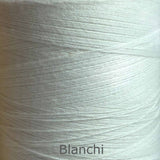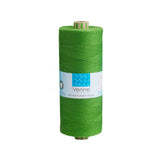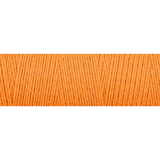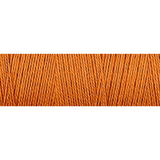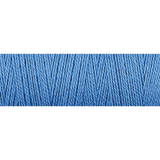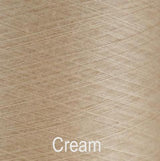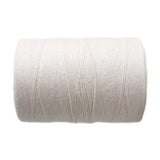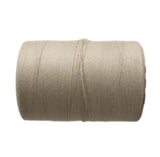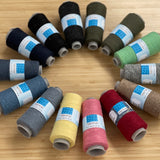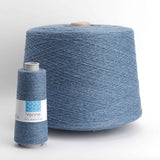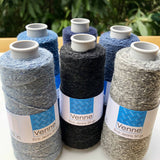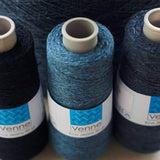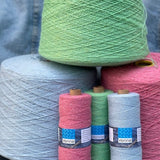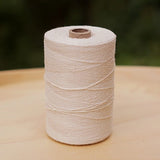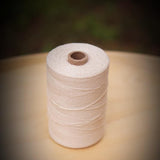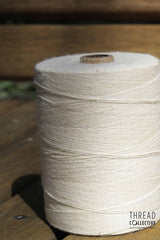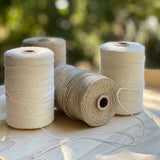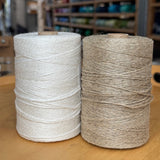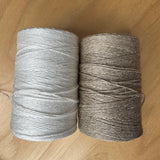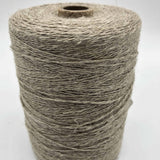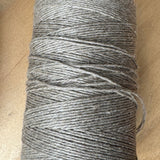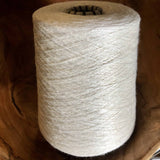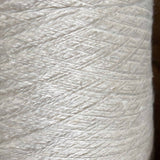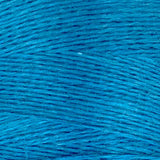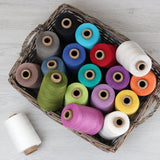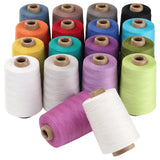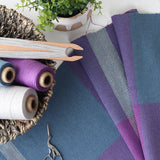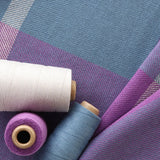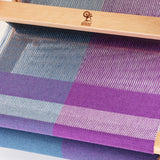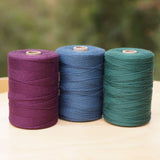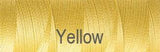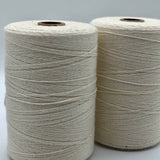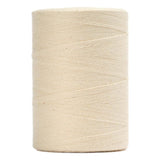
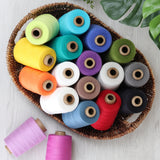
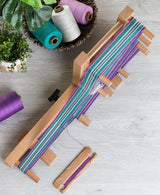
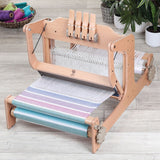
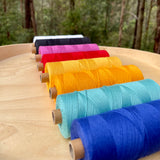

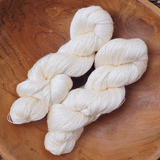
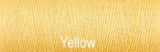
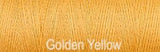
Organic Cottolin - Nel 22/2 (Ne 8/2) | Venne - 100g
Ever wished for a yarn that gives you the softness of cotton and the crisp texture of linen? Venne’s Organic Cottolin offers both in perfect balance, making it ideal for towels, table linens, and garments that feel beautiful and wear beautifully. Certified organic for peace of mind and quality you can trust.
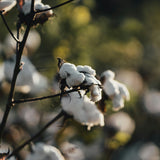
Some yarns can’t strike the right balance, but this organic cottolin blends silky Egyptian cotton with crisp linen for fabric that’s soft yet substantial. Perfect for heirloom-quality pieces, it offers both strength and drape, and its GOTS certification ensures every thread is made to the highest ethical and sustainable standards.
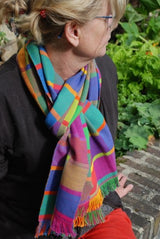
The result is cloth that’s as beautiful as it is practical—plush yet strong towels, table linens with a gentle sheen, and garments that stay breathable and comfortable year after year. With this yarn, you can create pieces that feel as good to make as they do to use.
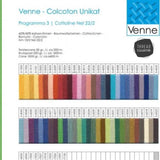
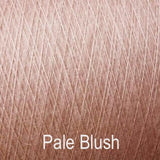
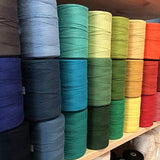
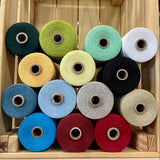
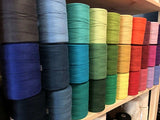
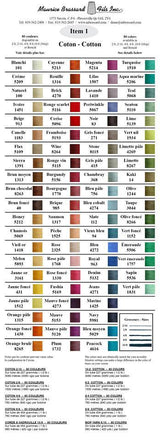
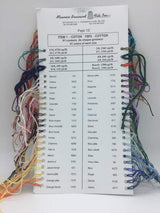
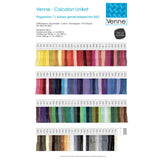
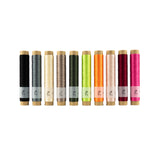
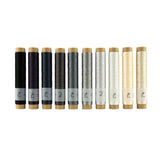
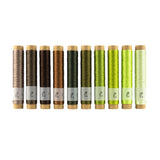
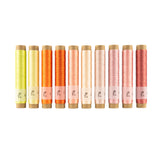
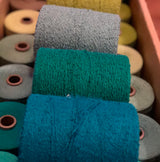
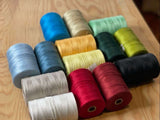
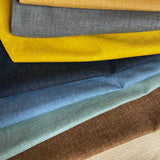
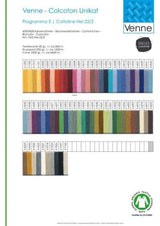
Not sure which colours to get? Purchase a Venne Cottolin Sample Card to see your options. Sample cards are recommended for true colours.
Key Features & Benefits
- Premium Organic Blend – 70% Egyptian cotton for softness, 30% linen for strength and texture.
- GOTS Certified – Sustainable and ethical production for peace of mind.
- Natural Lustre – Adds a subtle sheen that enhances your weave.
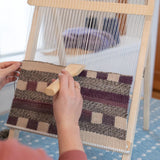
- Soft Yet Structured – Perfect for towels, table runners, and garments. Use it for weaving, knitting, and crochet.
- Fine 2-Ply Construction – Strong and easy to work with on the loom.
Generous Yardage – 6,400 m per kilo, ideal for large or multiple projects.
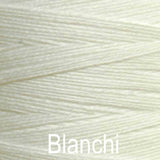
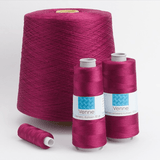
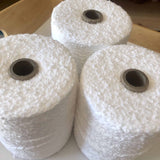
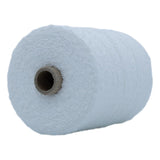
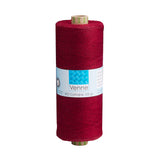
1 x 100 g spool of Organic Cottolin Yarn by Venne
- Fibre: 70% Organic Egyptian Cotton / 30% Organic Linen
- Weight: 100 g spool
- Yarn Count: Nel 22/2 (≈ Ne 8/2)
- Meters per Kilo: 6,400 m
- Yards per Pound: 3,175 yds
- Ply: 2-ply
- Suggested Sett: 18–24 epi
- Delivery: Spool
Cottolin is a blend of cotton and linen fibers, combining the softness of cotton with the strength and crispness of linen. This results in a durable yarn that offers both absorbency and a pleasant texture, making it ideal for weaving items like towels and table linens.
Yes, Venne's Organic Cottolin is excellent for weaving household items such as kitchen towels, table runners, and napkins. Its blend of organic cotton and linen provides durability and absorbency, essential qualities for functional textiles.
Cottolin may shed more fibre during weaving and can feel stiffer on the loom compared to pure cotton. However, it softens significantly after wet-finishing, resulting in a supple and absorbent fabric.
For plain weave structures, a sett of 18-24 ends per inch (epi) is recommended. Adjustments may be necessary based on the specific weave structure and desired fabric density.
Fabrics woven with cottolin can be machine washed and dried. To maintain their quality, wash them in warm water and use a low to medium heat setting for drying. Removing them from the dryer while slightly damp and pressing with an iron can help maintain a crisp appearance. It is recommended to line dry in the shade for maximum longevity.
Yes, cottolin fabric typically experiences some shrinkage after the initial wash. It's advisable to weave your fabric slightly wider and longer than the intended finished dimensions to account for this shrinkage.
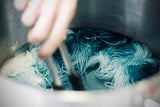
Yes, both cotton and linen fibres in cottolin absorb dyes well. However, due to the different properties of the fibers, achieving uniform coloration may require careful dyeing techniques.
Cottolin fabric tends to soften and become more absorbent with each wash and use, enhancing its suitability for items like towels and napkins.
Organic cottolin is made from organically grown cotton and linen, ensuring that the fibres are produced without synthetic pesticides or fertilizers. This results in a more environmentally friendly and potentially healthier product for both the weaver and the end user.
While cottolin is primarily designed for weaving due to its strength and durability, experienced knitters or crocheters seeking to experiment with unique textures might find it suitable for certain projects. However, its lack of elasticity compared to pure cotton or wool yarns may present challenges in knitting or crochet applications.