








Warp vs Weft Yarn: What’s the Difference and Why It Matters in Weaving
If you're new to weaving, or even if you've been weaving for a while, you've probably come across the terms warp and weft yarn. They can sound a bit technical at first, but understanding the difference is one of the most important foundations in weaving.
Choosing the right yarn for warp versus weft doesn't just affect how your project looks. It changes how stable, durable, and enjoyable the whole weaving process is.
In this guide, we'll break down what warp and weft actually mean, how they behave differently on the loom, and which yarn fibres work best for each role. We'll also look at some popular weaving fibres, including cotton, bamboo, merino, and Tencel, and when to reach for each one.
What is Warp Yarn?
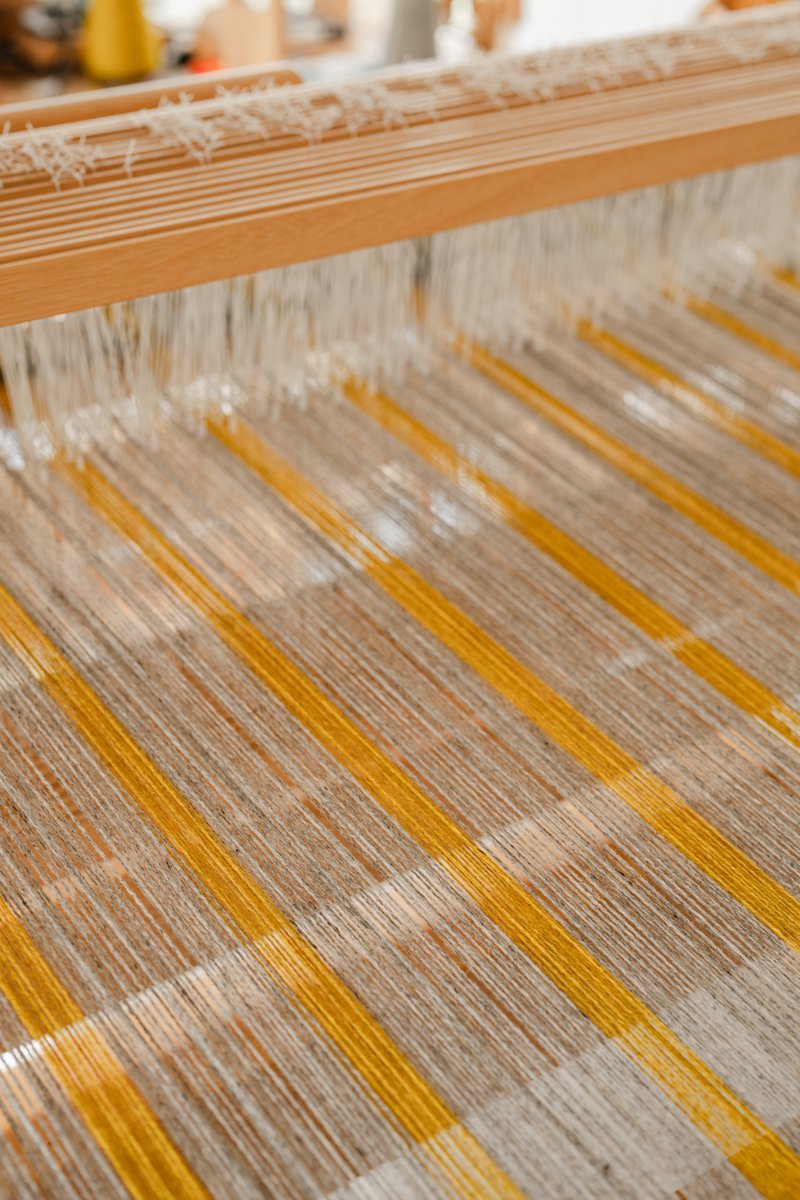
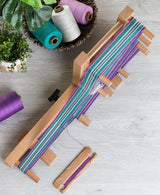
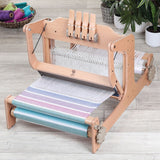
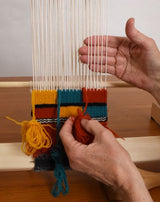
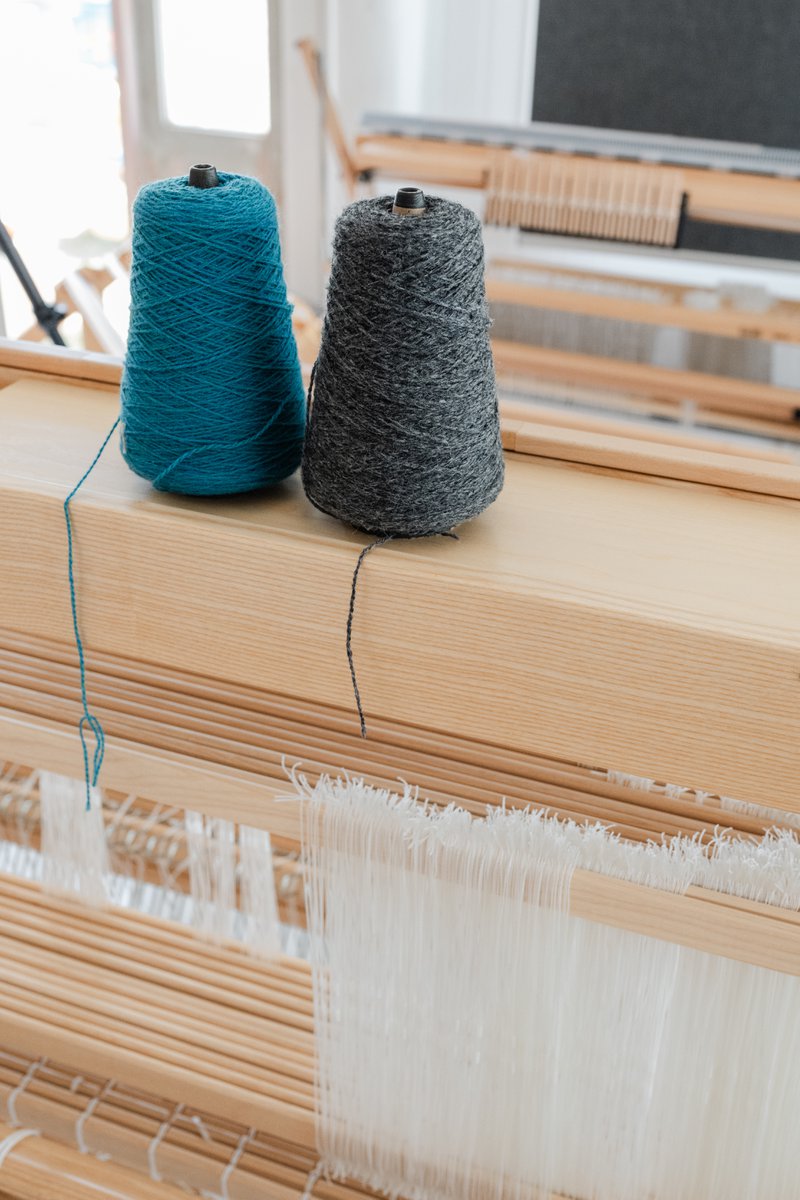
The warp is the set of yarns stretched vertically (up/down) on your loom. These threads stay under tension the whole time you weave.
Because of that constant tension, warp yarn needs to be strong, stable, and minimally elastic, with enough abrasion resistance to survive being lifted and lowered by the heddles and the friction of the reed hundreds of times over the course of a project. Think of warp yarn as the skeleton of your woven piece. If it isn't strong enough, it can snap, sag, or throw off the tension across your whole loom.
Warp yarn is wound onto the loom first and stays fixed in place while you weave your design into it.
What is Weft Yarn?
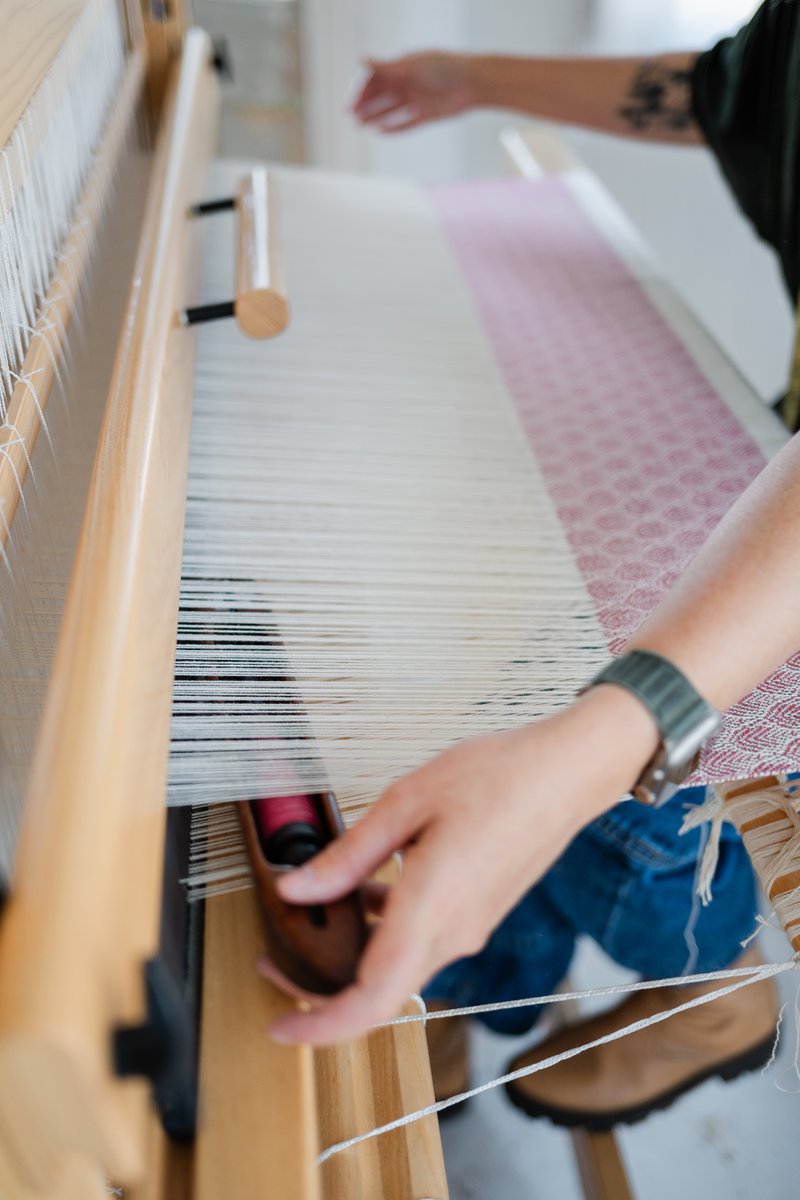
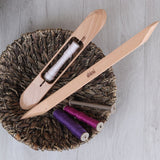
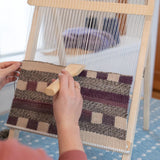
The weft is the yarn you weave horizontally (left to right) across the warp threads using a shuttle, bobbin, or needle.
Unlike warp, weft yarn isn't held under tension. It moves over and under the warp threads, building the structure and pattern of your fabric as it goes. This gives you a lot more room to play: weft can be softer, more textured, or more decorative than warp, since it doesn't need to survive the same constant pulling.
In simple terms: warp gives your fabric its bones, and weft gives it its character.
Why the Difference Matters
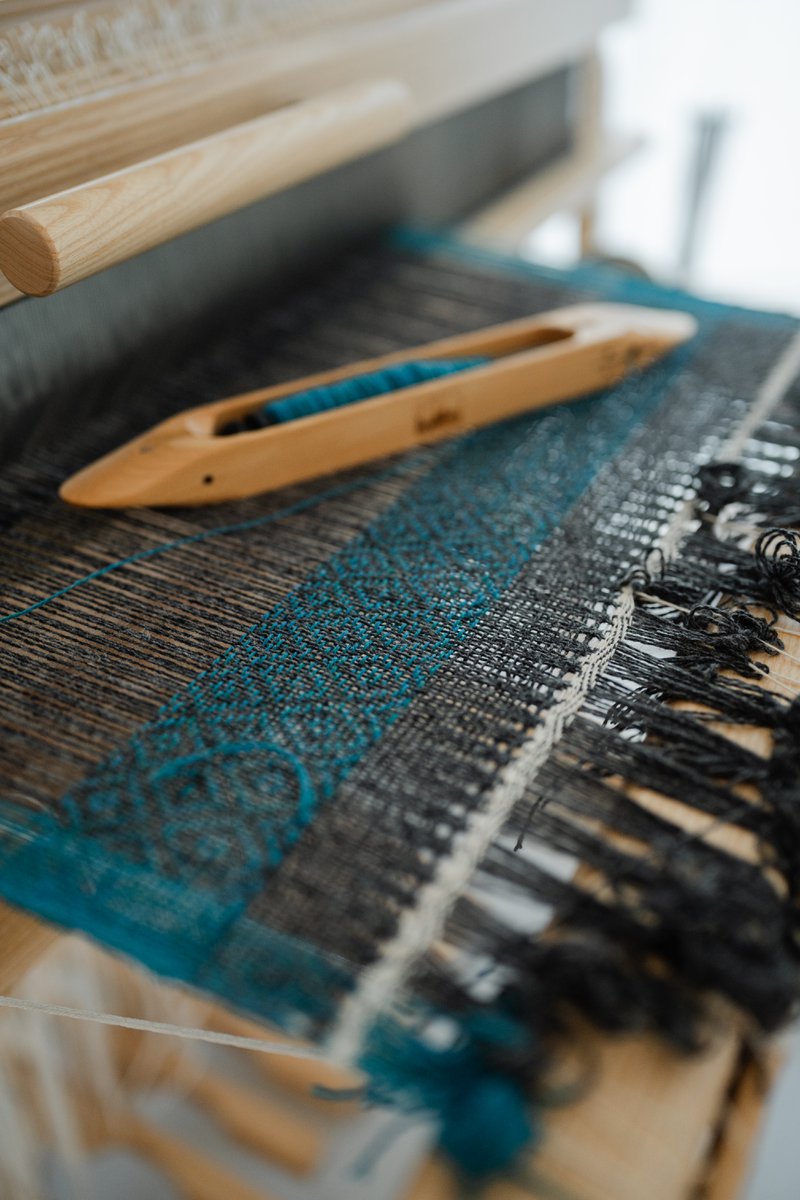
Get the warp wrong and you'll know about it fast. The wrong yarn in the warp can mean broken threads mid-project, tension that's uneven across the loom, or fabric that distorts once it comes off. None of that is fun to deal with halfway through a weave.
Get it right, and weaving gets noticeably smoother: cleaner selvedges, fewer surprises, and a finished fabric with better drape and durability.
Once you've got a feel for this distinction, choosing yarn stops being guesswork.
Best Yarn Characteristics for Warp
Not all yarns are created equal when it comes to warp. The best warp yarns tend to share a few traits:
- Strength: Warp yarn has to withstand tension for the length of the whole project without breaking.
- Low elasticity: Too much stretch causes uneven tension and a distorted fell line as you weave.
- Smooth texture: Smooth yarns glide through the heddles and reed with less friction damage.
- Consistent thickness: Even yarn helps maintain uniform fabric structure.
Best Yarn Characteristics for Weft
Weft yarn has more flexibility in what it needs to do:
- Softness: Comfortable fibres create beautiful drape and texture.
- Texture variation: Bouclé, slubs, and novelty yarns all work well here, since they're not under tension.
- Colour flexibility: Weft is often where most of your patterning and colour blending happens because it can be changed throughout the project.
- Room to experiment: You can use more delicate fibres safely in the weft than you could in the warp.
Because weft isn't under tension, it opens the door to materials you'd never consider for warp. Strips of fabric, raw locks of fleece, lengths of ribbon, paper yarn, even strips of bamboo or grasses - all of these have found their way into weft at some point depending on the weavers desired end use. Weavers making functional mats often reach for flat, sturdy materials that add structure and thickness. Others use weft as a place to showcase texture in a way that yarn alone can't. If you can pass it through a shed, it's worth trying.
Common Weaving Yarns and How to Use Them
Let's look at some of the most popular fibres used in weaving and where each one shines.
Cotton Yarn in Weaving

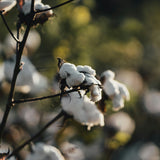
Cotton is one of the most widely used weaving fibres, and for good reason. It's strong, smooth, and consistent, which makes it forgiving for beginners and reliable for experienced weavers alike.
Cotton's low elasticity is actually what makes it such a good warp choice: it holds tension well without stretching out of shape, so your fabric structure stays predictable from the first pick to the last. It's a popular pick for table runners, towels, placemats, and structured wall hangings, anywhere you want crisp, clean fabric with dependable results.
Bamboo Yarn in Weaving

Bamboo yarn has a silky, fluid quality that a lot of weavers love. It's soft, breathable, lightweight, and has a subtle natural sheen.
Bamboo can be used as warp, and plenty of weavers do warp with it successfully, but it's worth keeping an eye on your tension as you go: bamboo can loosen up if it's left on the loom under tension for long stretches, so don't let a warped project sit too long before you start weaving. Many weavers prefer to save bamboo for the weft instead, where its drape and sheen get to do all the work without any tension management involved.
Bamboo suits soft shawls, decorative wall hangings, lightweight scarves, and blended weft textures where you want movement and a bit of shine.
Merino Wool in Weaving
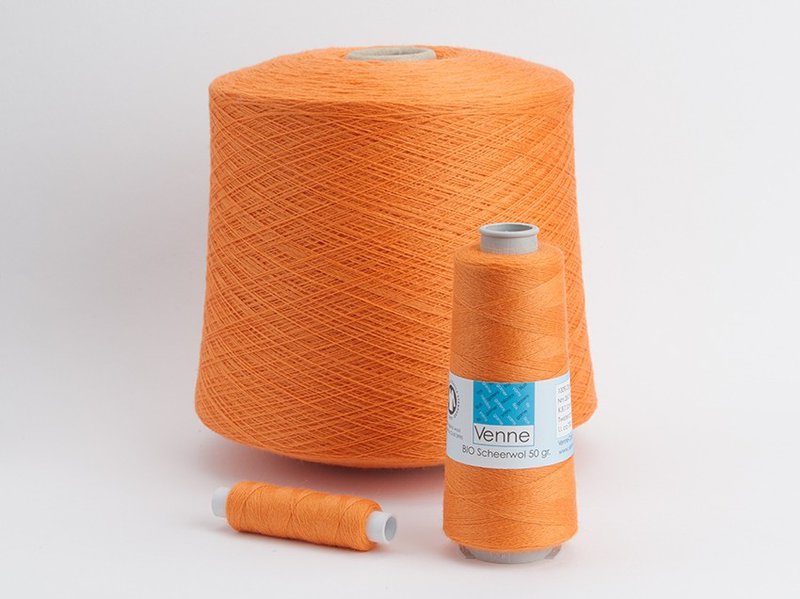
Merino is a favourite across both knitting and weaving. It's incredibly soft, warm, and full of bounce, with a rich texture once it's washed and blooms.
Don't write merino off as a warp yarn. Wool's natural "tooth," the texture from the cuticle along each fibre, gives it real grip, which is exactly why tapestry weavers often choose wool for warp: it holds the weft firmly in place and resists slipping. A worsted-spun, well-plied merino makes a perfectly capable warp. That said, merino's elasticity does mean it needs steadier tensioning than cotton or linen, so it's a great fit for confident weavers. Used in the weft, merino is forgiving and adds warmth, softness, and texture without much fuss.
Merino works beautifully in cosy scarves, wearable wraps, and textured tapestry work, whether it ends up in the warp or the weft.
Tencel Yarn in Weaving

Tencel is a semi-synthetic fibre made from wood pulp, prized for its drape, sheen, and eco-conscious production process.
Tencel can be used in warp, but it asks for a bit more care than cotton or wool. It's strong under steady pull but doesn't love sustained high tension or repeated friction against the reed and heddles, so over-tensioning or weaving too close to the reed can lead to snapped ends near the selvedges. With softer overall tension and attention to your shed, Tencel warps beautifully. If you want the full breakdown, we've covered this in detail in Can You Use Tencel for Warp?
A reliable combination if you want both durability and shine in one project:
Cotton warp + Tencel weft gives you a strong structure with a luxurious finish, without asking Tencel to do the heavy lifting under tension.
Silk Yarn in Weaving

Silk is one of the strongest natural fibres by weight, which makes it a more capable warp yarn than its delicate reputation suggests. It has very low elasticity, holds tension well, and its smooth surface moves cleanly through the heddles and reed with minimal friction.
That said, silk requires careful, even tension across the whole warp. It has little forgiveness and doesn't grip the way wool does, so any inconsistency will show up in the finished fabric. Priced towards the luxury end of the market, most weavers reserve pure silk for special projects or use it blended with other fibres to keep costs manageable.
As weft, silk produces a luminous, fluid fabric with exceptional drape and a natural sheen that catches the light in a way synthetic alternatives rarely replicate. It pairs particularly well with a cotton or linen warp, where the structure lets the silk weft do what it does best.
Silk suits lightweight scarves, shawls, and decorative pieces where drape and lustre are the goal. For warp use, treat it with the same care you'd give Tencel: softer overall tension, attention to your shed, and ideally a sample warp before committing to a larger project.
Linen Yarn in Weaving

Linen is one of the oldest weaving fibres around, and it has genuinely earned its place. It's exceptionally strong, has almost no elasticity, and its naturally smooth surface moves cleanly through the heddles and reed with very little friction. For warp, it's hard to beat.
That low elasticity is linen's defining characteristic on the loom. Unlike wool or even cotton, linen doesn't have much give, which means it holds tension predictably across the whole project. This makes it particularly well suited to tapestry and rug weaving, where a firm, stable warp is essential, but it works just as well in table linens, towels, and any project where you want a crisp, structured fabric.
The trade-off is that linen is less forgiving than cotton if your tension is uneven. It doesn't have the slight stretch that lets cotton absorb small inconsistencies, so any variation in your warp will be more visible in the finished piece. It also starts out stiff and can feel rough to handle, which puts some weavers off. With washing and use, though, linen softens considerably and develops a lovely drape that improves over time.
As weft, linen adds texture and body, and pairs well with a cotton or wool warp for projects where you want a bit of rustic character. It's a natural fit for anything functional — kitchen textiles especially — where durability matters as much as appearance.
Not Sure If Your Yarn Will Work As Warp? Here’s How To Test it
If you're looking at a yarn and still can't tell whether it's up to the job, a few simple tests can help you decide before you commit a whole warp to it.
The snap test. Cut a length of yarn around 30cm and hold it taut between both hands. Give it a sharp, firm tug. A good warp yarn will resist and spring back; if it snaps easily or stretches significantly without recovering, it's telling you something. Save it for the weft. That said, some yarns that fail the single-strand test may still work in practice — try the same test holding two or three threads together, since that's closer to how the yarn will behave once it's sleyed and under loom tension.
The friction test. Run the yarn back and forth across your fingernail or a rough surface several times. Warp yarn has to survive repeated contact with the heddles and reed throughout the entire project. If it pills, fuzzes, or starts to break down after just a few passes, it won't hold up under loom conditions.
The tension test. Wind a short length around a stick or dowel and leave it under light tension for an hour or two. Check whether it has stretched, gone limp, or lost its shape. Yarns that relax significantly under sustained tension will cause you headaches on the loom.
If your yarn passes all three, it's likely a solid warp candidate. If it fails even one, consider using it as weft instead, where it can show off its best qualities without the demands of constant tension.
Choosing the Right Yarn Combination
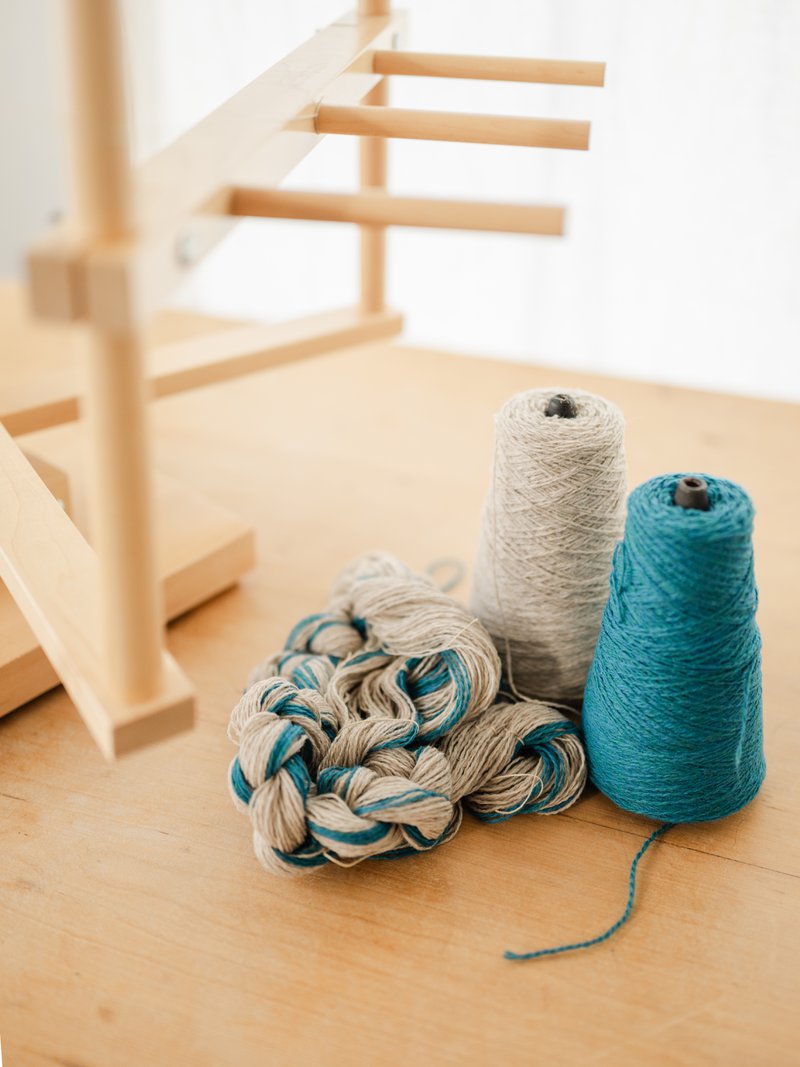
When you're planning a project, think of warp and weft as partners: warp brings the strength and stability, weft brings the colour and texture.
A few combinations worth trying:
- Cotton warp + merino weft (soft and structured)
- Cotton warp + bamboo weft (crisp and drapey)
- Cotton warp + Tencel weft (durable with a luxurious sheen)
- Linen warp + wool weft (textural contrast)
Starting with a stable warp gives you room to experiment with your weft without worrying about your fabric holding together.
Common Beginner Mistakes
A few pitfalls worth avoiding if you're new to weaving:
- Using overly stretchy yarn in the warp. This often leads to uneven tension and sagging fabric.
- Choosing novelty yarn for warp. Beautiful in the weft, but often too fragile or inconsistent to hold tension.
- Mixing fibres in the warp without planning for it. It can be done deliberately for unique effects, but unintentional mixing can make tension management much harder and it can also lead to undesired results in finishing.
- Ignoring fibre behaviour. A yarn that knits up beautifully can behave very differently once it's under loom tension.
- Skipping the sample. If you're unsure how a fibre will behave, weave a small test piece before committing your whole warp to it.
Why Understanding Warp vs Weft Matters So Much
Once warp and weft click for you, it changes how you plan every project, from the materials you reach for to how you design your piece.
Cotton for structure, bamboo for softness, merino for warmth and grip, Tencel for drape, silk for lustre, linen for crisp dependability: each fibre earns its place depending on whether it's doing the holding or the showing. Ready to explore a new to you fibre or play with some new combinations? Have a browse through weaving yarns .
Share this article on your favorite platform:
Table of Contents
- What is Warp Yarn?
- What is Weft Yarn?
- Why the Difference Matters
- Best Yarn Characteristics for Warp
- Best Yarn Characteristics for Weft
- Common Weaving Yarns and How to Use Them
- Cotton Yarn in Weaving
- Bamboo Yarn in Weaving
- Merino Wool in Weaving
- Tencel Yarn in Weaving
- Silk Yarn in Weaving
- Linen Yarn in Weaving
- Choosing the Right Yarn Combination
- Common Beginner Mistakes
- Why Understanding Warp vs Weft Matters So Much

1 comment
Amazing article! Exactly the information I was looking for. Thank you!