















Skip to content
Payment: afterpay Payment: Paypal Logo
YARNS
WEAVING
SPINNING
NEEDLECRAFT
KNITTING & CROCHET
FELTING & DYEING
FREE GUIDES
BOOKS
SPECIAL OFFERS
AUD
Quick view
PRODUCT FAQs
BACKORDER INFORMATION
SHIPPING COST
ORDERING INFORMATION
ADDITIONAL RESOURCES
TUTORIALS
DOWNLOADS
VIDEO RESOURCES
How slippery is Nm 20/2 pure mulberry silk for fine knitting or crochet?

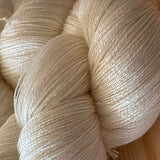
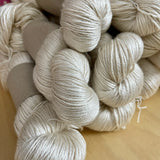
This lace-weight silk has a smooth, slippery texture, so stitch slippage is common, especially in fine gauge work. Use smaller needles (2 mm or lower), tighter tension, and stitch markers to manage the drape. Many knitters hold it double with wool to increase grip and warmth while retaining silk’s sheen.

How well does Ashford’s undyed silk take acid dyes for custom color projects?

Mulberry silk readily accepts acid and protein dyes. Its smooth filament structure yields even coloration and vibrancy. Ashford wool dyes work well at low temperatures, and skeins typically include dyer’s ties to prevent tangling. Always pre-soak the skein and dye in small batches first to test results.

What needle size and gauge suits lace projects with Nm 20/2 silk?

Best results often come with US 0–1 (2.0–2.25 mm) needles, yielding lace gauge around 30–40 sts per 10 cm, depending on pattern openness. Use 2-ply silk’s fine tension to achieve featherweight shawls or scarves—approx. 910 m per 100 g gives excellent yardage for such garments.
How does pure Mulberry Silk Nm 20/2 compare to silk-cotton blends in texture?

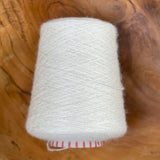
Pure mulberry silk provides unmatched softness and sheen, smoother than silk blends with cotton or linen. It’s more lustrous and drapes fluidly. While blends offer more tooth and structure, pure silk excels in drapey, luxurious lace garments.
Can this silk yarn be used for weaving at 24–30 EPI?

Yes—Ashford recommends 24–30 EPI for balanced silk weaving. At that density, fabric is lightweight yet durable with a beautiful sheen. Adjust tension slightly looser to allow silk drape and prevent breakage.

How does Nm 20/2 silk yarn behave when blocked after knitting?

Silk blocks beautifully—lace patterns open to full detail and gain fluid drape. Blocking with minimal tension ensures soft, elegant edges. Be cautious: over-aggressive stretching can distort fine silk lace, so pin lightly and let dry naturally.
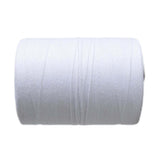
Is this yarn prone to pilling or wear when rescued into or knitted as garments?

Pure silk is resistant to pilling, especially compared to wool or cotton. It wears well with minimal abrasion. However, friction from zippers or bags might dull the sheen. Handle gently—inside-out washing helps. Overall long-term durability is excellent.

How should I wash and care for finished garments made with lace-weight silk yarn?

Hand wash with gentle, soap-free detergent in cool water. Soak briefly, rinse thoroughly, and lay flat to dry in shade. Cool iron on reverse with pressing cloth if needed. Silk benefits from minimal water agitation to preserve fibers and sheen.

Frequently Bought With

Relevant Blogs