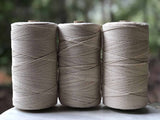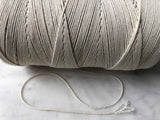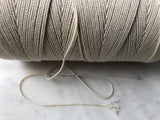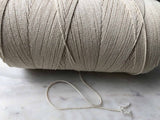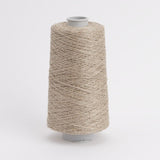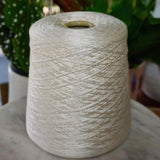
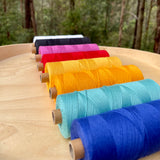




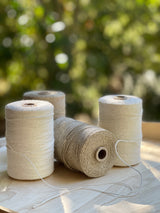
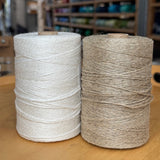
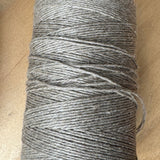
Belgium Linen Tapestry Yarn Nel 12/2 | Maurice Brassard
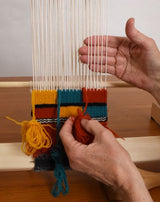
If you've ever felt your warp threads slipping or lacking tension mid-project, you're not alone. This 100% Belgian linen in Nel 12/2 is spun for strength and control—perfect for tapestries and rug weaving where stability and a clean finish really matter.
It’s frustrating when your warp doesn’t quite hold up, especially with pieces that require high tension like tapestry or rug weaving. Whether it’s stretch, fray, or sag, an unreliable warp thread can interrupt your flow and leave you second-guessing your materials. You want something that stays firm and steady from start to finish.
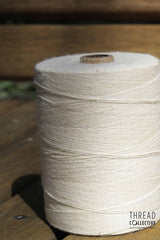
This Belgian linen yarn is made for that kind of reliability. Spun to a 12/2 count, it's strong, smooth, and naturally textured, giving you excellent tension and grip without compromising the flow of your weaving. Sourced from high-quality flax, this linen delivers a dependable warp experience and a beautiful finished structure. It’s especially suited for detailed tapestry work, where even spacing and lasting tension are essential.
Once you’ve used it, you’ll feel that deep sense of calm that comes with knowing your materials are working with you, not against you. Every pass of the weft moves easily and securely. Your focus shifts from troubleshooting to making—and your finished piece feels like something solid, thoughtful, and made to last.
Key Features & Benefits:
- Firm and reliable: Ideal for high-tension warps in tapestry or rug weaving
- Natural texture: Helps maintain even spacing with a gentle grip
- Fine yet strong: Nel 12/2 count offers strength without bulk
- 100% linen: Made from premium Belgian flax for long-lasting quality
Smooth handling: Threads cleanly through heddles and reeds
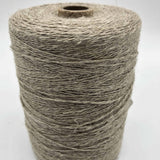
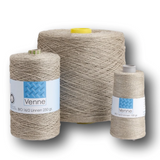
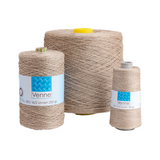
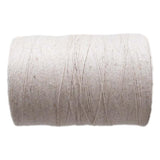
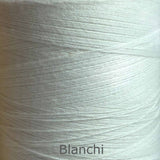
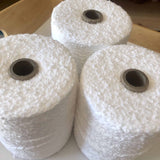
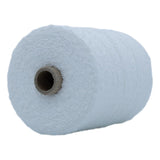
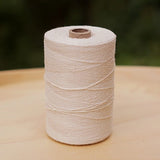
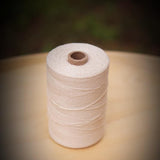
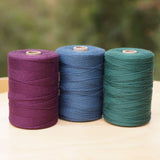
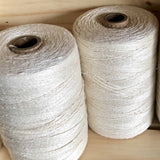
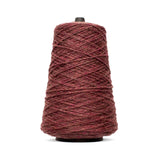
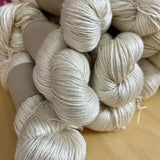
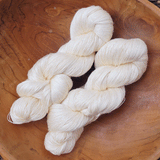
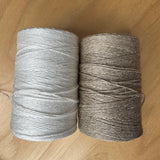
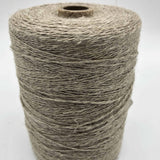
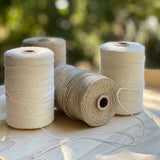
1 x 227g tube of Belgium Linen Tapestry Yarn (Nel 12/2)
- Fibre Content: 100% Linen (flax)
- Yarn Count: Nel 12/2
- Unit Weight: 227g (½ lb tube)
- Length per Spool: 820m (900 yds)
- Wraps Per Inch: 24 WPI
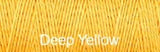
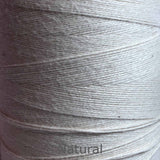
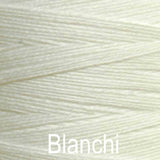
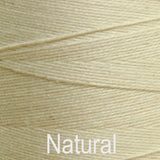
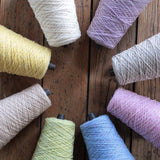
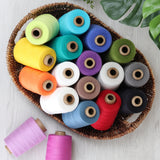
- Colour: Natural
- Use: Warp yarn for tapestry and rug weaving
- Origin: Belgium
Nel stands for Number English Linen, a system measuring linen yarn count. "12/2" means the yarn has a count of 12 lea (3,600 yards per pound) and is 2-ply, resulting in approximately 1,800 yards per pound. This fine yet strong yarn is ideal for weaving and embroidery projects.
Yes, this linen yarn is strong with excellent tension tolerance, making it ideal for warp threads in weaving. Linen’s natural durability and resistance to stretching help maintain fabric structure, especially in high-tension applications like tapestry weaving.
Linen is known for its natural strength, high absorbency, and elegant sheen. Compared to cotton, it typically feels crisper and more structured, though it softens beautifully over time and with use. While cotton is more elastic and flexible, linen offers superior durability and a graceful drape, making it an excellent choice for heirloom-quality textiles that are designed to last.
The ideal sett depends on the project, weave structure, and desired fabric density. Sampling is advised, but for plain weave, a sett of 18–24 ends per inch (epi) is commonly used. Twill and looser weaves may require different setts.
Linen shrinks very little, usually less than 10%, and becomes softer with each wash. Unlike wool, it does not change significantly, but it benefits from wet finishing to improve flexibility and sheen. Pre-washing or steaming before weaving can help minimize shrinkage.
Yes, linen takes dyes well, especially fibre-reactive dyes that bond permanently to the cellulose fibers. Ensure the yarn is thoroughly washed before dyeing to remove natural oils or residues that may affect even color absorption.
Yes, linen’s strength and drape make it excellent for crochet, particularly for structured items such as bags, table runners, and home décor. It holds its shape well but can feel stiff initially, softening with use and washing.
Wet finish by washing the fabric in warm water, then press it firmly with a hot iron or run it through a mangle to enhance sheen and improve drape. This process strengthens the fabric and removes weaving tension.
Yes, linen lacks elasticity, so maintaining consistent tension and humidity is crucial to prevent breakage. Keeping the weaving environment slightly humid or misting the yarn can help reduce brittleness and improve handling.
Absolutely! Linen blends well with cotton, wool, or silk, each adding unique properties. Cotton-linen blends offer softness with strength, wool-linen blends provide warmth with structure, and silk-linen combinations add lustre and drape.